 English
 русский
 Français
 中文简体
中文简体 Português
 Español
 italiano
 عربى
عربى فارسی
فارسی

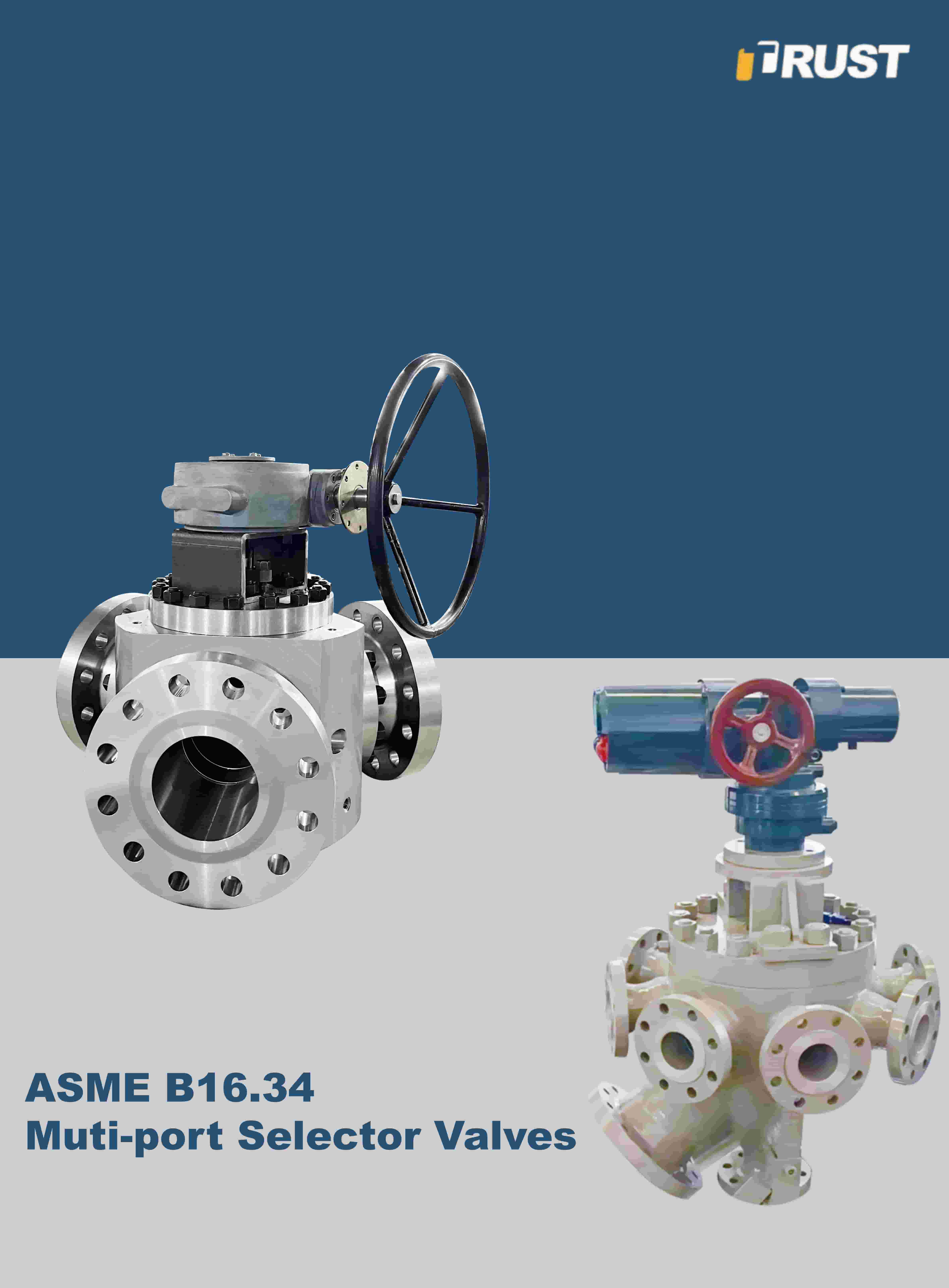
Precision Internal Flow Path Design
The Multi-Port Selector Valve is engineered with highly precise internal flow channels that direct fluids smoothly from one port to another. The design minimizes sudden changes in direction, sharp bends, or narrow constrictions that could create turbulence or pressure loss. By maintaining a controlled and streamlined path for fluid movement, the valve reduces energy losses and ensures that flow efficiency is preserved across all connected channels. Smooth, continuous channels also prevent the formation of eddies or recirculation zones, which can disrupt consistent pressure distribution in multi-port systems.
Balanced Port Configuration
The layout and spacing of ports within a Multi-Port Selector Valve are strategically designed to maintain uniform pressure across each channel. The valve body often features symmetric arrangements or flow-balancing chambers that distribute fluid evenly regardless of the selected port. This prevents one channel from experiencing excessive pressure drop while another receives a higher flow rate, ensuring that all active pathways operate efficiently. Balanced port design is especially critical in systems where multiple downstream components, such as filters, pumps, or reactors, require consistent fluid delivery for optimal performance.
High-Quality Seals and Tight Tolerances
Sealing integrity plays a major role in maintaining flow efficiency and pressure balance. Multi-Port Selector Valves use high-performance seals, gaskets, or O-rings at each port interface to prevent internal leakage between channels. Tight manufacturing tolerances for the valve seat and rotary or sliding mechanisms ensure that no fluid bypass occurs, which could otherwise cause pressure fluctuations or reduce flow efficiency. By combining precise machining with robust sealing materials, the valve maintains stable pressure distribution even under high-flow or high-pressure conditions.
Low-Friction Actuation Mechanism
The movement mechanism of the Multi-Port Selector Valve—whether it’s a rotary, sliding, or plug design—is engineered to minimize friction and resistance. Smooth actuation prevents sudden pressure spikes or drops when switching between ports, allowing flow to remain consistent. In automated or high-cycle systems, low-friction components also reduce wear and maintain reliable operation over time, ensuring that efficiency and pressure balance are preserved even after repeated switching.
Hydraulic Modeling and Flow Simulation
Modern Multi-Port Selector Valves are often designed using computational fluid dynamics (CFD) simulations to predict flow behavior and optimize internal geometries. By simulating how fluids move through interconnected channels under different pressures and viscosities, designers can minimize turbulence, prevent cavitation, and ensure uniform pressure distribution. These simulations guide decisions about channel diameter, curvature, and internal baffling, resulting in a valve that delivers high flow efficiency across all ports.
Adaptation to Viscosity and System Conditions
Multi-Port Selector Valves are designed to accommodate a range of fluid viscosities and operational pressures. Internal flow paths, sealing systems, and port geometries are optimized to ensure that thick or viscous fluids do not create pressure imbalances between channels. Similarly, the valve can handle fluctuations in upstream supply pressure without significantly affecting downstream distribution. This adaptability allows the valve to maintain consistent flow and pressure balance across interconnected channels under real-world industrial conditions.
Operational Implications for Industrial Applications
Maintaining flow efficiency and pressure balance is crucial in complex piping networks, such as chemical processing, water treatment, or food and beverage systems. A Multi-Port Selector Valve ensures that each channel receives the intended flow rate, preventing operational inefficiencies, overloading of pumps, or uneven processing of downstream equipment. By delivering reliable and balanced fluid distribution, the valve improves system performance, reduces energy consumption, and minimizes maintenance requirements, making it a critical component in high-performance fluid handling systems.

 No.100 Xiejin Avenue, Funing County Economic Development Zone, Yancheng City, Jiangsu Province
  +86-515-87398111
  office@trustvalve.com