Advantages of Rising Stem Ball Valves in High-Pressure and High-Temperature Applications
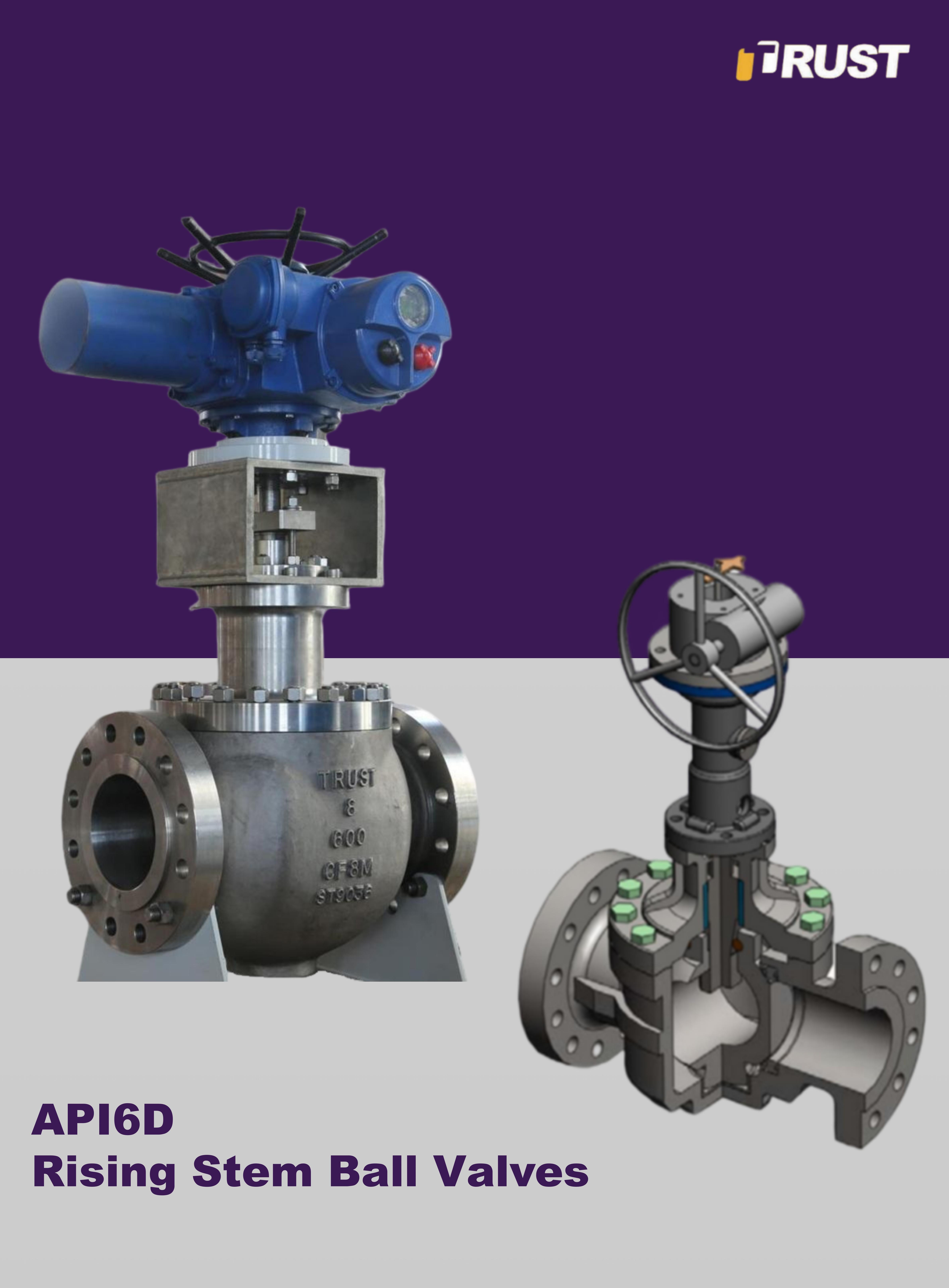
Rising stem ball valves are designed with an inherent robustness that makes them well-suited for extreme pressure and temperature conditions. The primary design feature that distinguishes these valves from other types is the rising stem mechanism. When the valve is operated, the stem rises as the ball rotates, providing a clear visual indication of the valve’s position. This feature makes it easier for operators to know whether the valve is open or closed without needing to dismantle or inspect internal components. This robust design also helps to distribute internal stresses evenly, especially when the valve is exposed to high-pressure environments. The rising stem mechanism works in tandem with the ball to minimize wear and maintain alignment under extreme conditions. With consistent pressure applied to the ball and sealing surfaces, the valve offers more predictable performance, significantly reducing the risk of leakage or operational failures. At Trust Valve (Jiangsu) Co., Ltd., our rising stem ball valves are built with materials and construction methods that ensure maximum strength and reliability. Whether the application involves high-temperature steam, high-pressure gases, or aggressive chemical flows, we use advanced materials such as carbon steel, stainless steel, and special alloys to maintain the integrity of the valve under demanding conditions. By choosing the right materials and design, we ensure that our valves perform optimally in environments that might otherwise be hazardous to standard valve types. Our valves are designed for easy operation and minimal maintenance. The rising stem mechanism reduces the likelihood of the valve becoming stuck due to pressure-induced stress, thus extending its service life. Trust Valve (Jiangsu) Co., Ltd. incorporates the latest engineering principles into every product to ensure durability even in the harshest environments.
Sealing performance is one of the most critical factors in high-pressure and high-temperature applications. Rising stem ball valves excel in this area due to their design and the materials used for sealing components. The valve ball is machined to provide a tight seal with the valve seat, ensuring that leakage is minimized or eliminated entirely. This is achieved through precision engineering, where the ball and seat are manufactured with tolerances that make for a perfect fit, even under the most extreme conditions. In high-pressure systems, the forces acting on the valve components are significant. Rising stem ball valves are built to handle these forces without compromising sealing efficiency. The rising stem mechanism is designed to keep the internal components aligned and provide a smooth operation when opening or closing the valve. The gradual movement of the stem helps to reduce the stress on the seals, preventing them from becoming deformed or damaged by sudden pressure fluctuations. This ensures that the seal remains intact throughout the valve’s lifespan. Trust Valve (Jiangsu) Co., Ltd. ensures that all of our rising stem ball valves meet stringent sealing performance requirements. We use high-quality materials for the seals, such as PTFE, graphite, and other advanced elastomers, which are chosen based on the specific temperature and pressure requirements of each application. For example, graphite seals are ideal for high-temperature environments, while PTFE seals are better suited for chemical resistance. Our rigorous testing procedures also verify that the seals perform as expected under a variety of extreme conditions. We regularly conduct leak testing and pressure testing to ensure that our rising stem ball valves meet international sealing standards such as ISO 15848 and API 6D, ensuring that the valves perform reliably even when used in high-pressure pipelines or industrial reactors.
High-pressure systems are commonly found in industries such as oil and gas, power generation, and chemical processing, where pressures can reach hundreds or even thousands of psi. Valves in these systems must be able to withstand significant pressure without leaking, failing, or becoming damaged. Rising stem ball valves are specifically engineered to handle these extreme pressures effectively. One of the reasons for the reliability of rising stem ball valves in high-pressure systems is the way pressure is distributed across the valve’s internal components. When the valve is fully open or closed, the pressure is evenly applied to the surface area of the ball, reducing the chances of uneven wear or pressure points that could lead to failure. The rising stem ensures that there is minimal friction between the valve stem and the valve body, reducing the likelihood of sticking or jamming under high-pressure conditions. At Trust Valve (Jiangsu) Co., Ltd., we pay close attention to the construction of our rising stem ball valves to ensure they can handle high-pressure environments safely. Our valves are constructed with high-strength materials that are capable of withstanding not only extreme internal pressures but also external forces. For example, we use carbon steel and stainless steel materials for their superior mechanical strength, and when necessary, we apply specialized heat treatments to enhance the toughness of the valve. In addition to robust construction, Trust Valve (Jiangsu) Co., Ltd. conducts rigorous testing to confirm the pressure resistance of our valves. This includes both hydrostatic and pneumatic pressure tests, which simulate real-world conditions and ensure that the valves are capable of performing under the pressures they will encounter in service. The results of these tests give us confidence that our rising stem ball valves will maintain their integrity and reliability, even in the most demanding applications.
High-temperature applications often involve processes where temperatures can reach up to 500°C (932°F) or more, and valves must be capable of withstanding these extremes without degradation. Rising stem ball valves are uniquely suited to handle such conditions because their design allows them to operate smoothly in the face of temperature-induced stresses. One of the key factors in high-temperature performance is the choice of materials used in the valve. The rising stem ball valve’s design allows for the efficient use of heat-resistant alloys, which prevent warping, softening, or thermal expansion from compromising the valve’s performance. The rising stem mechanism also helps to minimize the effects of thermal expansion. Since the stem rises as the valve opens, it allows for a degree of flexibility in response to temperature changes, which reduces the risk of valve malfunction caused by thermal stresses. At Trust Valve (Jiangsu) Co., Ltd., we design our rising stem ball valves to function efficiently in high-temperature environments. Our team selects materials that are specifically designed for high-temperature resistance, such as Inconel and stainless steel alloys. These materials maintain their structural integrity and mechanical properties, even when exposed to high heat for prolonged periods. In addition to choosing the right materials, we ensure that our rising stem ball valves are equipped with advanced sealing materials that can withstand high temperatures without degrading. Graphite seals, for example, are widely used for high-temperature applications due to their resistance to thermal degradation and their ability to maintain sealing integrity in extreme conditions. We also ensure that our valves are designed with high-temperature resistant coatings that protect critical components from heat-induced wear.
Corrosion is one of the most common challenges faced by valves in industrial environments, particularly in industries such as offshore drilling, chemical manufacturing, and marine applications. Rising stem ball valves are designed with materials that are highly resistant to corrosion, which helps to extend their service life and maintain their performance over time. The materials used in rising stem ball valves, such as stainless steel, duplex alloys, and specialized corrosion-resistant coatings, play a vital role in resisting the corrosive effects of chemicals, saltwater, and other aggressive substances. This makes rising stem ball valves particularly valuable in industries that require valves to operate in harsh environments where corrosion is a significant concern. Trust Valve (Jiangsu) Co., Ltd. ensures that all of our rising stem ball valves are constructed from corrosion-resistant materials that can handle exposure to harsh environments. We use high-quality alloys such as 316 stainless steel and other corrosion-resistant materials for the valve body, stem, and ball. Additionally, we apply protective coatings such as nickel plating and chromium plating to critical parts to further enhance their resistance to corrosion. In environments where valves are exposed to saltwater, chemicals, or acidic substances, the risk of pitting and wear is high. By using advanced materials and coatings, we ensure that our rising stem ball valves are able to resist these effects and provide long-lasting, reliable service. This makes our valves ideal for applications in offshore oil and gas platforms, chemical refineries, and marine industries, where corrosion resistance is a critical requirement.
 English
 русский
 Français
 中文简体
中文简体 Português
 Español
 italiano
 عربى
عربى فارسی
فارسی
cryogenicvalves.jpg "Cryogenic Valves")




 No.100 Xiejin Avenue, Funing County Economic Development Zone, Yancheng City, Jiangsu Province
  +86-515-87398111
  office@trustvalve.com
  Custom Rising Stem Ball Valves Manufacturers