What are Double Block and Bleed (DBB) Valves? What are their basic functions?
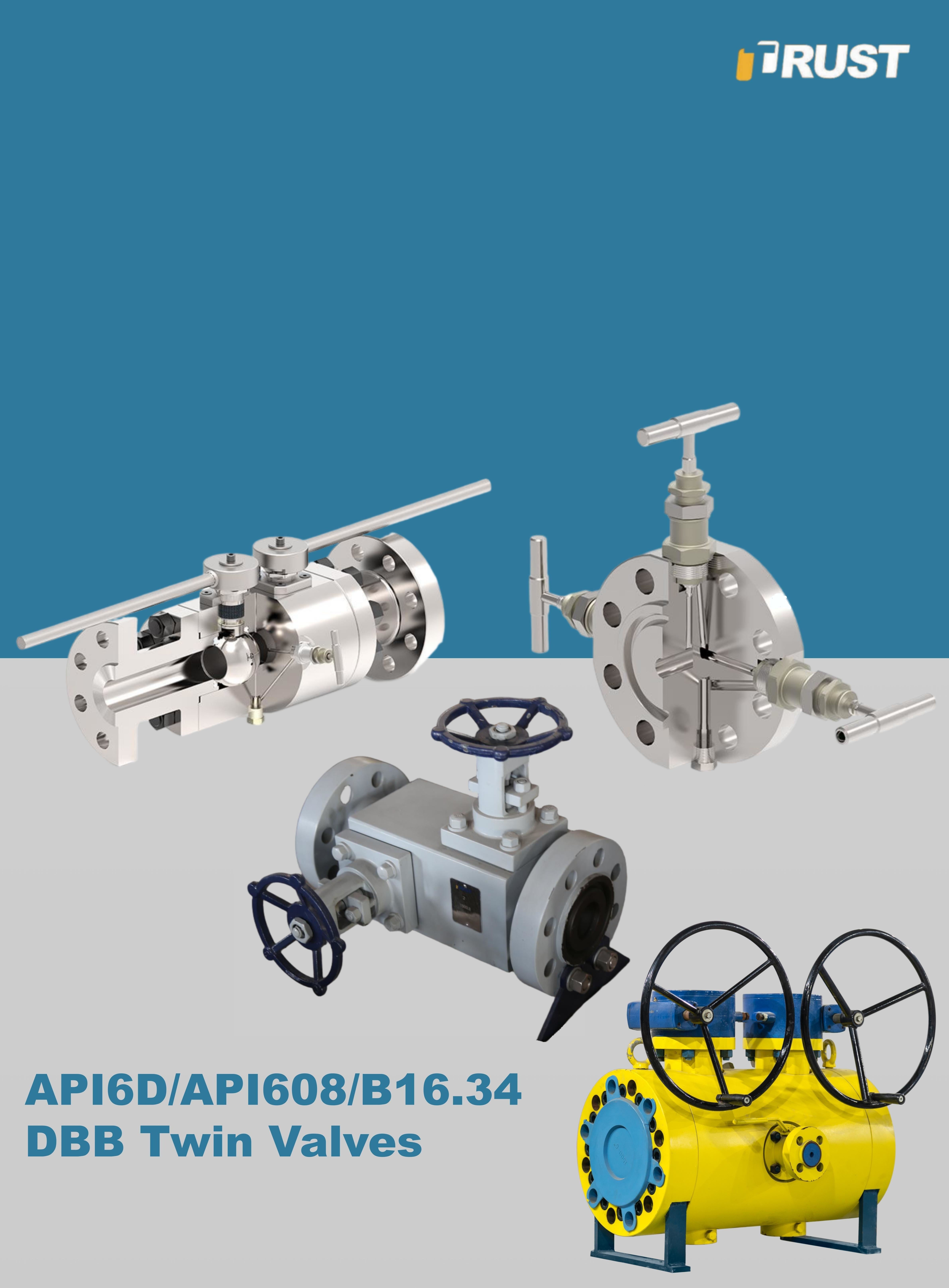
Double Block and Bleed (DBB) valves are specially designed valves used to provide double isolation and bleed functionality in pipelines or systems. They typically consist of two isolation valves (usually gate valves or ball valves) and one bleed valve. The basic function of a DBB valve is to provide two independent isolations and allow for bleeding operations between the isolation valves to ensure the integrity of the pipeline or equipment and prevent any substance leakage.
Basic Functions:
- Double Isolation: DBB valves provide two sealing points through two independent valves, effectively isolating the fluid within the pipeline. The space between these valves can be vented or drained, further ensuring that no harmful substances remain in the pipeline.
- Bleed Function: DBB valves have a bleed port (usually equipped with a bleed valve) to remove any fluid or gas that may be present between the two isolation valves. The design of the bleed port ensures that in the event of a leak, the substance can be effectively discharged to a safe area, reducing the risk of hazardous substance leakage.
Application Scenarios:
DBB valves are commonly used in areas requiring high safety and reliability, such as oil and gas, chemical processing, and pipeline transportation, especially in high-pressure, hazardous chemical transportation or storage applications, ensuring that pipelines and equipment do not leak during maintenance and repair.
How to promptly detect and repair malfunctions in Double Block and Bleed (DBB) valves to prevent potential safety accidents?
Malfunctions in DBB valves can lead to serious safety risks, especially in systems involving hazardous materials. Prompt detection and repair of malfunctions are crucial to prevent leaks, explosions, or other accidents.
Types of Malfunctions:
- Leakage: If the sealing components of the DBB valve (such as valve seats, O-rings, or other sealing elements) are aged or damaged, it may lead to leakage through the valve gap.
- Valve Sticking: The valve may become stuck due to corrosion, fouling, or operational errors, preventing it from fully opening or closing, thus impairing the isolation function.
- Drainage System Failure: If the drain valve or drain pipe is blocked or damaged, it may not effectively drain leaked substances, increasing the risk.
Methods for Detecting Malfunctions:
- Pressure Monitoring: Installing pressure sensors on both sides of the DBB valve allows for real-time monitoring of the pressure difference across the valve. Inconsistent pressure may indicate poor valve sealing.
- Leak Detection: Using gas detection instruments (such as infrared leak detectors, acoustic leak detectors, etc.) can monitor the leakage of the DBB valve in real time. Leak detection is especially crucial in hazardous gas pipelines.
- Regular Inspection and Maintenance: Regularly perform functional tests and maintenance checks on the DBB valve, including checks of sealing, operability, and the drainage system. If aging valve seats, damaged seals, or sluggish operation are found, replace the components as soon as possible.
- Automated Monitoring System: Some high-end DBB valves are equipped with intelligent sensors and monitoring systems that can detect the valve's operating status and issue timely alarms through remote control and monitoring.
Repair Methods:
- Replace damaged seals or components: If the sealing surface or valve seat of the DBB valve is worn, the seals should be replaced or the valve repaired.
- Cleaning and Lubrication: If the valve is stuck, it may be due to fouling or insufficient lubrication. Disassembly, cleaning, and lubrication can restore smooth valve operation.
- Replace the drain valve: If the drain valve fails, it should be replaced promptly, and the drain pipe should be ensured to be unobstructed. Regular Maintenance: Conduct comprehensive inspections and maintenance of the valve system regularly to ensure the long-term stable operation of each component.
Key Structural Design Factors of Double Block and Bleed (DBB) Valves
In the design process at Trust Valve (JiangSu) Co.,Ltd., the structural design of DBB valves focuses not only on the realization of basic functions but also incorporates precise engineering techniques to ensure the reliability and efficiency of the valves under complex operating conditions. The company utilizes advanced technologies such as AutoCAD 2D/3D modeling, CFD fluid analysis, and customer-specific design to ensure that each valve component is precisely designed and optimized to meet diverse customer needs.
Double Isolation Function:
- AutoCAD 2D/3D Modeling: Using AutoCAD software, Trust Valve (JiangSu) Co.,Ltd. can accurately draw design drawings for each valve component. For DBB valves, it is especially important to ensure the precise alignment of the two isolation valves and the bleed system. Through 3D modeling, designers can visually demonstrate the internal and external structure of the valve, ensuring that the size, shape, and installation position of each component are precisely matched, thus achieving a seamless double isolation effect.
- High-Precision Design: Using the advanced functions of AutoCAD, Trust Valve (JiangSu) Co.,Ltd. can perform micron-level dimensional control, ensuring that every sealing surface and interface of the valve is perfectly matched, minimizing leakage and guaranteeing the isolation effect of the DBB valve.
Sealing Design:
- CFD Fluid Analysis: Fluid dynamics is a critical factor in DBB valve design, especially in the pressure distribution and fluid flow analysis of the sealing section. Through CFD (Computational Fluid Dynamics) analysis, Trust Valve (JiangSu) Co.,Ltd. can simulate fluid flow under operating conditions, accurately predicting the performance of sealing components under different pressures, temperatures, and fluid characteristics. Through this analysis, the design team can optimize the structure of the sealing system, ensuring that the sealing surface maintains stable sealing performance even in high-pressure and high-temperature environments.
- Material Selection: Through fluid analysis, Trust Valve (JiangSu) Co.,Ltd. can also select appropriate sealing materials based on the type of fluid (such as corrosive gases or high-temperature liquids), ensuring that no leakage or damage occurs under extreme operating conditions.
Emission System Design:
- Virtual Prototyping and Visualization: Using AutoCAD 3D modeling, Trust Valve (JiangSu) Co.,Ltd. can create virtual prototypes of emission systems, simulating the response of the discharge valve and the fluid flow path in the event of a leak. This allows the design team to optimize the layout of the emission system, ensuring that leaked substances are safely discharged and minimizing the impact on the operating environment.
- Visualization and Testing: Through 3D modeling technology, designers can identify potential design flaws or bottlenecks in the emission system in advance and optimize them through virtual prototypes before physical production.
Material Selection and Redundancy Design:
- Customized Design: Trust Valve (JiangSu) Co.,Ltd.'s design team can provide customized solutions based on customer needs. For high-risk environments requiring special materials (e.g., extreme temperatures or highly corrosive fluids), Trust Valve (JiangSu) Co.,Ltd. can design the most suitable materials and redundant systems based on customer needs analysis, ensuring that the valve provides sufficient safety and reliability under all circumstances.
- High-Precision and Durability Testing: During the design process of each valve component, Trust Valve (JiangSu) Co.,Ltd. combines simulation testing and fluid dynamics analysis to ensure that the selected materials can not only handle normal operating conditions but also maintain long-term durability under extreme conditions.
Operation and Control System:
- Intelligent Control and Remote Monitoring: In addition to mechanical design, Trust Valve (JiangSu) Co.,Ltd. can also integrate automated control systems according to customer needs, enabling remote monitoring and intelligent operation of the valves. This is especially important for DBB valves requiring precise control and real-time monitoring, particularly in high-risk industries such as oil and gas.
- Automation Design Support: Trust Valve (JiangSu) Co.,Ltd. also provides support for automation design, such as electric or pneumatic drive systems, designing the most suitable drive method based on the customer's operating conditions to improve operational efficiency and safety.
Testing and Verification:
- Virtual Testing and Optimization: Using AutoCAD and CFD analysis, Trust Valve (JiangSu) Co.,Ltd. can conduct comprehensive virtual testing before actual production. These tests can simulate the valve's performance under different fluid conditions, including parameters such as flow rate, pressure, and temperature, ensuring that potential problems can be identified during the design phase, reducing risks in actual testing.
- Pressure Testing and Leak Detection: Trust Valve (JiangSu) Co., Ltd. is also equipped with advanced pressure testing equipment to conduct rigorous tests on DBB valves, ensuring that the valves meet international standards and possess sufficient pressure resistance and leak-proof capabilities before being put into use.
 English
 русский
 Français
 中文简体
中文简体 Português
 Español
 italiano
 عربى
عربى فارسی
فارسی
cryogenicvalves.jpg "Cryogenic Valves")




 No.100 Xiejin Avenue, Funing County Economic Development Zone, Yancheng City, Jiangsu Province
  +86-515-87398111
  office@trustvalve.com
  Custom Double Block and Bleed (DBB) Valves Manufacturers