What are Pig Valves for Oil & Gas Pipelines? What role do they play in oil and gas pipelines?
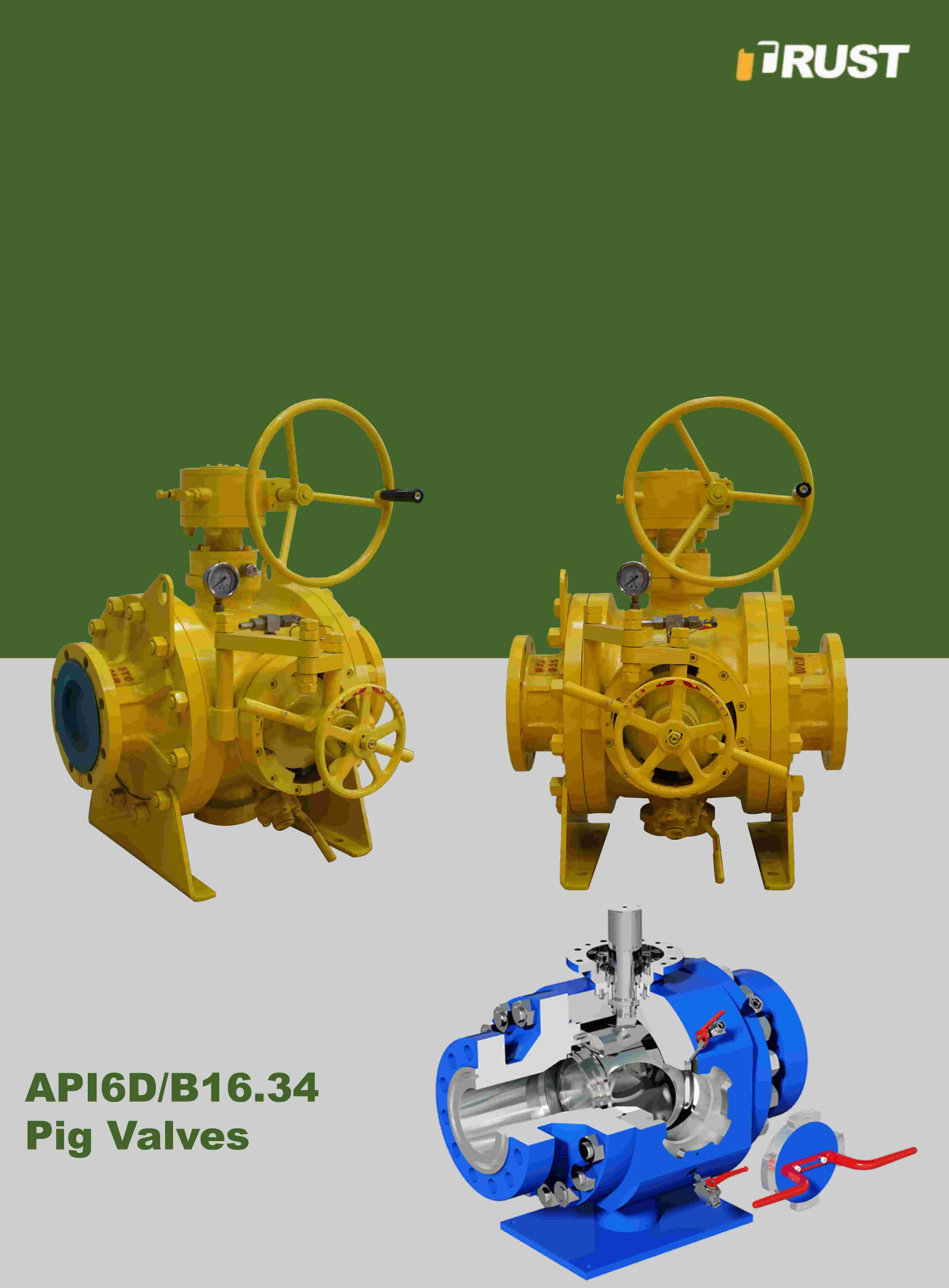
Pig valves, also known as pigging valves or pig launcher/receiver valves, are specialized valves used in oil and gas pipeline systems to launch, receive, control, and release pipeline cleaning tools. Pig tools are typically devices used for pipeline cleaning, inspection, maintenance, and internal coating, and the main function of Pig Valves for Oil & Gas Pipelines is to control the passage of these tools through the pipeline.
Main roles of Pig Valves:
- Connection and Isolation: Pig valves establish a connection between the pipeline and the pig tool, ensuring that the tool can safely and effectively enter and exit the pipeline. They can isolate specific sections of the pipeline, allowing for maintenance operations without affecting flow in other areas.
- Controlling Pig Passage: When the pipeline needs cleaning, inspection, or monitoring, the pig valve allows the pig tool to enter the pipeline and controls the fluid flow as the tool passes, ensuring the tool passes smoothly and completes the pigging task.
- Preventing Leaks: Pig valves need to maintain a seal under high pressure and harsh environments to prevent oil and gas leaks. During the operation of oil and gas pipelines, pig valves ensure that the passage of the tool does not cause any unnecessary leakage risks.
- Emergency Protection: In emergency situations, pig valves can quickly close, isolating the pipeline and preventing leaks and fluid spills, ensuring safety.
How do Pig Valves for Oil & Gas Pipelines operate effectively under varying pipe diameters and pressure conditions?
Pig valves for oil and gas pipelines must be designed to adapt to various pipeline conditions, including different pipe diameters, pressure ratings, and fluid properties.
Adapting to Different Pipe Diameters:
- Adjustable Design: Because the diameter of oil and gas pipelines can vary, pig valves are typically designed with adjustable features to accommodate different pipe diameters. By using adjustable sealing rings or other variable components, pig valves can adapt to pipes ranging from smaller to larger diameters, ensuring the tool can pass through smoothly.
- Adaptive Sealing System: To adapt to different pipe diameters, pig valves utilize highly adaptable sealing systems (such as expandable O-ring seals, adjustable piston seals, etc.) to ensure sealing integrity regardless of pipe size variations.
- Multiple Valve Body Sizes: Some manufacturers offer pig valves in different sizes, allowing users to select the most suitable valve to ensure compatibility with the pipeline system.
Adapting to Different Pressure Conditions:
- Pressure Rating Design: Pig valve design needs to be selected based on the pipeline's operating pressure. Oil and gas pipeline systems typically face high operating pressures; therefore, the structure of the pig valve must be able to withstand extremely high pressures and maintain perfect sealing and functionality under high pressure. Common pressure ratings can range from several hundred bar to several thousand bar.
- High-Pressure Resistant Materials: To ensure safety and stability in high-pressure environments, pig valves typically use high-pressure resistant materials (such as alloy steel, stainless steel, etc.) and employ stronger valve body and sealing component designs to withstand large internal and external pressure differences.
- Leak Prevention: In high-pressure environments, the sealing design of the pig valve is crucial. The valve must prevent leaks, especially when dealing with flammable and explosive substances like oil and gas, where any leak could pose a significant safety hazard.
Adapting to Different Fluid Properties:
- Material Selection: Different fluid properties (e.g., corrosive gases, crude oil, natural gas, or chemicals) require pig valves to be made of different corrosion-resistant, high-temperature resistant, and wear-resistant materials. For example, fluids containing sulfur or acidic gases may accelerate the corrosion of valves and pipelines, thus requiring special corrosion-resistant materials (such as alloy steel, corrosion-resistant coatings, etc.).
- Chemical resistance of sealing materials: For different fluid requirements, the sealing materials of Pig valves must be selected according to the chemical composition of the fluid to ensure that the seals do not crack or wear out during long-term operation.
How to Ensure the Reliability of Pig Valves for Oil & Gas Pipelines During Frequent Operation?
In oil and gas pipeline systems, Pig Valves for Oil & Gas Pipelines require long-term and frequent operation, often accompanied by extreme pressure, temperature changes, and corrosive fluids. Therefore, ensuring the reliability of pig valves, especially during high-frequency operation, involves multifaceted design and technical measures. Trust Valve (JiangSu) Co., Ltd. ensures the high performance and long-term reliability of each pig valve under harsh operating conditions by applying CFD fluid analysis, wear-resistant design, and precision sealing technology.
Optimizing Performance Using CFD Fluid Analysis:
Fluid Flow Optimization:
- CFD fluid analysis is one of the important tools used by Trust Valve (JiangSu) Co., Ltd. to optimize the internal structure of the valve. In the design of pig valves, the efficiency of fluid flow is crucial. Through CFD simulation, the design team can accurately analyze the flow pattern of the fluid inside the valve, optimizing the internal geometry of the valve. This not only ensures the smooth passage of the pig tool inside the valve but also reduces pressure loss during fluid flow, improving the overall efficiency of the pipeline system.
- Optimizing Flow Rate and Pressure Drop: During frequent opening and closing operations, pig valves need to maintain stable fluid flow under high pressure. CFD simulation helps designers reduce pressure loss as the fluid passes through the valve, ensuring stable fluid pressure during valve operation, thereby improving the operating efficiency and reliability of the pipeline system.
Wear Prediction and Durability Design:
- CFD analysis not only optimizes the flow path but also predicts wear and erosion caused by fluid flow in the valve. For pig valves handling corrosive or abrasive fluids (such as sand, acidic gases, etc.), fluid dynamics simulation can help predict which parts may experience higher wear. Through this simulation data, Trust Valve (JiangSu) Co., Ltd. can design more wear-resistant and corrosion-resistant valve components, increasing the lifespan of the valve under harsh operating conditions.
- Corrosion-Resistant Material Selection: Through CFD fluid analysis, Trust Valve (JiangSu) Co., Ltd. can evaluate the interaction between the fluid and the valve surface, selecting appropriate materials and surface coatings to prevent wear and corrosion, ensuring the reliability of the Pig valve even during frequent and prolonged operation.
Thermal Effects and Temperature Control:
- Thermal Analysis: In high-pressure natural gas pipelines, Pig valves often encounter the Joule-Thomson effect (cooling caused by gas expansion). Through CFD thermal analysis, Trust Valve (JiangSu) Co., Ltd. can assess potential temperature fluctuations and cooling phenomena during high-pressure gas flow. By optimizing the valve body design, stress concentrations caused by temperature differences are reduced, preventing temperature fluctuations from affecting the valve's sealing performance and structural integrity.
- Temperature Control Design: CFD analysis not only helps predict temperature changes but also optimizes the fluid cooling path within the valve, ensuring that the valve does not experience thermal expansion or cooling damage during frequent operation, guaranteeing long-term stable operation.
Design Reliability and Structural Optimization:
High-Strength Wear-Resistant Materials and Redundant Design:
- Trust Valve (JiangSu) Co., Ltd. utilizes high-strength alloy materials and wear-resistant coatings to effectively resist wear, corrosion, and other external environmental influences, improving the durability of the Pig valve. The selection of these materials is based not only on fluid analysis results but also considers the various challenges the valve may encounter during long-term, high-frequency operation.
- Redundant Sealing Technology: To ensure the sealing reliability of the valve during prolonged operation, Trust Valve (JiangSu) Co., Ltd.'s Pig valves typically employ a double or multiple sealing system. These systems provide effective isolation even if the primary seal fails, reducing the risk of leakage and extending the valve's lifespan.
Precision Mechanical Design and Sealing System:
- Mechanical Strength: Through precise mechanical design, Trust Valve (JiangSu) Co., Ltd. ensures the structural stability of the Pig valve in high-pressure, high-flow environments. In high-pressure operation, the pressure resistance and sealing structure of the valve body are crucial. Precision design ensures that each valve component can uniformly withstand pressure, avoiding structural damage caused by uneven stress distribution.
- Seal Durability: The selection of sealing materials is crucial for Pig valves that undergo frequent operation. By simulating sealing performance under different fluid, pressure, and temperature conditions, Trust Valve (JiangSu) Co., Ltd. selects the most suitable sealing materials to ensure they do not fail during prolonged and frequent operation. Common materials include PTFE and polyurethane, which effectively resist high pressure and corrosive media.
Automated Monitoring and Intelligent Management:
- Intelligent Sensors and Monitoring Systems: Modern Pig valves are typically equipped with intelligent sensors to monitor the valve's operating status and sealing performance in real time. Trust Valve (JiangSu) Co., Ltd. integrates these intelligent monitoring systems into the valves, enabling remote tracking of valve performance and timely maintenance alerts, preventing failures caused by operational errors or component aging.
- Remote Operation and Control: The automated control system of the Pig valve allows for remote opening and closing operations, reducing manual intervention and improving operational accuracy and safety. Furthermore, the remote monitoring function helps engineers diagnose the valve's status in real time, avoiding potential safety hazards.
Regular Maintenance and Repair:
Intelligent Detection and Maintenance Alerts:
- To ensure the long-term reliability of the Pig valve, Trust Valve (JiangSu) Co., Ltd.'s intelligent system can issue alerts when early wear or leakage occurs, indicating the need for repair or replacement of seals. This early warning system helps pipeline operators reduce unplanned downtime and improve overall system efficiency.
Easy Disassembly and Repair:
- Trust Valve (JiangSu) Co., Ltd. designs its Pig valves with a structure that facilitates regular maintenance and component replacement, especially the seals and valve seats. These components are typically the most prone to wear, so the design incorporates convenient disassembly and replacement methods, reducing downtime and maintenance costs.
 English
 русский
 Français
 中文简体
中文简体 Português
 Español
 italiano
 عربى
عربى فارسی
فارسی
cryogenicvalves.jpg "Cryogenic Valves")




 No.100 Xiejin Avenue, Funing County Economic Development Zone, Yancheng City, Jiangsu Province
  +86-515-87398111
  office@trustvalve.com
  Custom Pigging Launcher/Receiver Valves Manufacturers