 English
 русский
 Français
 中文简体
中文简体 Português
 Español
 italiano
 عربى
عربى فارسی
فارسی
cryogenicvalves.jpg "Cryogenic Valves")
Precision Dispersion for Critical Reactor Processes
"Corrosion-Resistant. Precise. Trust Valve—Reactor Spray Excellence."

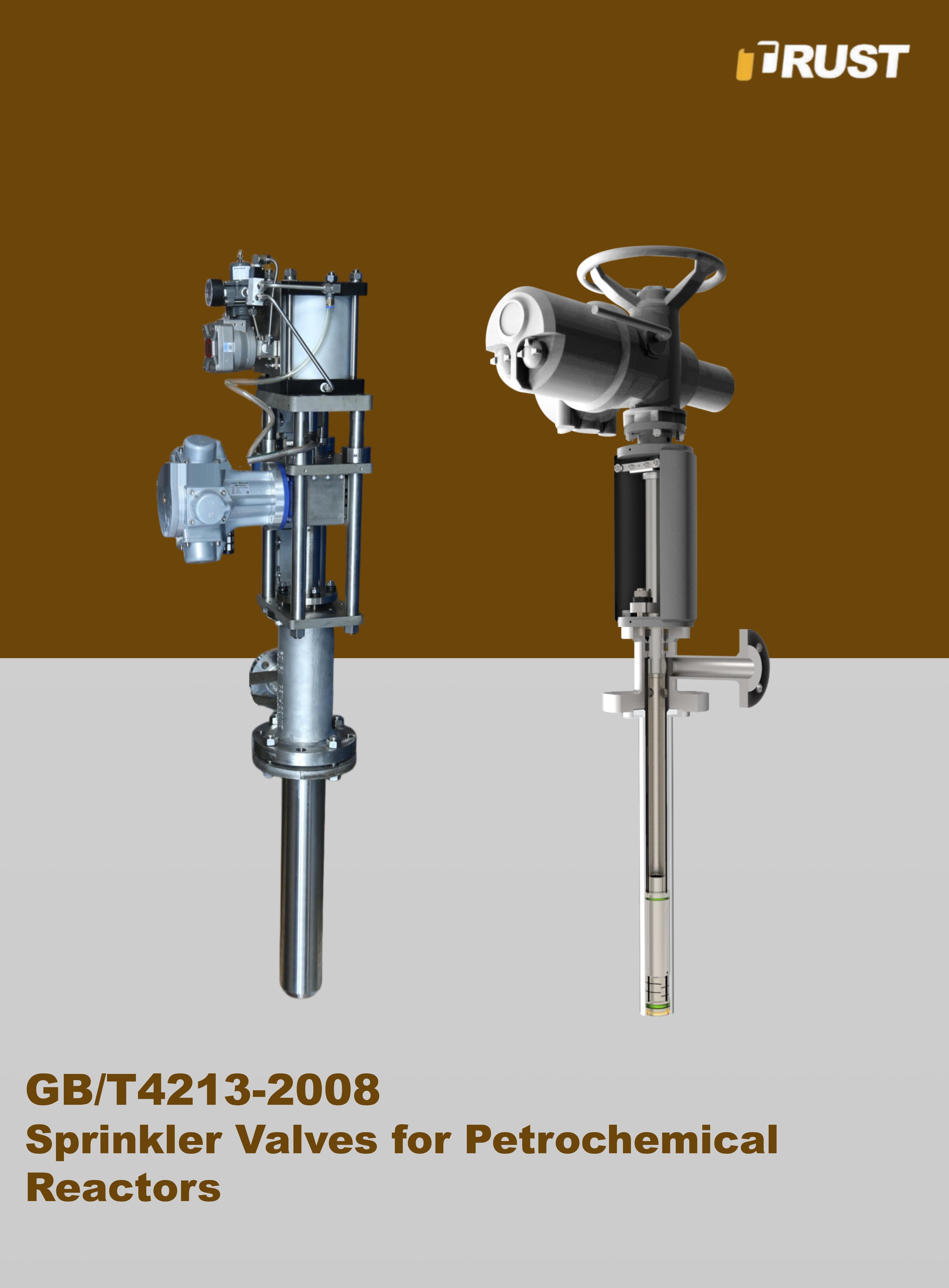
Precision Dispersion for Critical Reactor Processes
"Corrosion-Resistant. Precise. Trust Valve—Reactor Spray Excellence."
Technical Specs
Applications
|
Features |
Benefits |
|
Hastelloy®/316L Construction |
Withstands corrosive media (acids, monomers, catalysts) and high temperatures up to 200°C. |
|
Engineered Nozzles |
Uniform spray patterns (full cone, flat fan) ensure even distribution of coolants, catalysts, or reactants. |
|
High-Pressure Rating |
Handles up to 1,000 psi (68.9 bar) for demanding reactor conditions (polymerization, cracking). |
|
Adjustable Flow Control |
Fine-tune flow rates (0.5–100 GPM) to optimize reaction ratios and heat transfer. |
|
Leak-Tight Sealing |
Metal-to-metal or PTFE seals prevent hazardous leaks, critical for reactive/high-value materials. |
Technical Specs
Applications
Standard Reactor Sprinkler Valves
High-Pressure variants
Corrosion-Resistant Models
Technical Specs
Applications
Technical Specs
Applications



Are Sprinkler Valves for Petrochemical Reactors Resistant to High Temperatures and Wear?
General Requirements of Sprinkler Valves in Petrochemical Reactors
Sprinkler valves used in petrochemical reactors must endure demanding operating conditions, including high temperatures, elevated pressures, corrosive media, and continuous flow impact. These systems often involve hydrocarbon cracking, catalytic reactions, or thermal processing, where equipment reliability influences the stability of the entire production line. Jiangsu Tianyu Valve Manufacturing Co., Ltd., established in 1997, specializes in special-material and special-structure valves designed for such environments. Their experience in manufacturing hydrogenation valves, spray valves, and custom valves for high-risk media supports the development of sprinkler valves that meet strict safety and durability requirements in petrochemical applications.
Temperature Resistance of Sprinkler Valves
Sprinkler valves in petrochemical units frequently encounter high-temperature working conditions due to the thermal reactions occurring inside reactors. Materials used for these valves must maintain structural strength and sealing stability at elevated temperatures. Jiangsu Tianyu Valve Manufacturing Co., Ltd. selects special alloys such as high-temperature stainless steels, nickel-based alloys, or specially treated steels to ensure that the valve body, internal components, and sealing surfaces remain stable under thermal load. Heat exposure can affect sealing deformation, torque requirements, and structural expansion, so the material combination is carefully engineered to maintain safe operation. The company’s experience with ultra-high temperature service valves allows effective adaptation of similar principles for sprinkler valve development.
Wear Resistance Under Continuous Flow Impact
Sprinkler valves used in reactors often handle high-velocity fluids carrying particulate matter or catalysts. These conditions expose the valve’s internal surfaces to erosive forces, leading to gradual wear. To address this, Tianyu Valve employs hardened alloys, surface-treated components, and optimized flow-channel geometry to reduce impact zones. Wear resistance is especially important in reactors where spray patterns must remain consistent to ensure uniform mixing or cooling. Stable wear performance helps prevent uneven spray distribution, operational disturbances, and unexpected shutdowns. The company’s experience in producing plunger valves and multi-way valves for strong corrosion and high-pressure applications provides valuable design insight to strengthen wear resistance in sprinkler valves.
Sealing Structure Designed for High-Temperature Use
High-temperature sealing requires materials that can resist thermal expansion, chemical reactions, and long-term pressure cycling. Soft seals such as PTFE may lose stability at extremely high temperatures, so metal seals or composite seals are commonly used for petrochemical sprinkler valves. Jiangsu Tianyu Valve Manufacturing Co., Ltd. develops sealing configurations suitable for special media, ensuring that the sealing pair remains stable under reactor conditions. Metal seals preserve shape and support repeated cycles, while composite seals withstand thermal shock and maintain compliance. Proper sealing structure design ensures that valves maintain consistent spray flow without leakage, even when exposed to fluctuating temperatures.
Corrosion Resistance for Harsh Petrochemical Media
Petrochemical reactors often contain corrosive gases, organic solvents, acidic intermediates, or by-products that can damage valve internals. Materials must be resistant to chemical attack to avoid thinning, pitting, or structural loss. Tianyu Valve’s specialization in strong-corrosion applications enables the selection of alloys and seal materials that remain stable under chemical exposure. Corrosion resistance not only supports long-term durability but also preserves spray accuracy by maintaining the internal geometry of the valve. When corrosion is minimized, maintenance intervals become more predictable and reactor safety levels increase.
Common Materials Used in High-Temperature and Wear-Resistant Sprinkler Valves
| Material Type | Main Characteristics | Typical Application Conditions |
|---|---|---|
| High-Temperature Stainless Steel | Maintains strength and oxidation resistance | High-temperature reactors with mild corrosion |
| Nickel-Based Alloy | Strong thermal stability and corrosion resistance | Severe chemical corrosion and high-temperature impact |
| Hardened Alloy Steel | Enhanced wear resistance and surface hardness | High-velocity fluids with particulate content |
| Metal Composite Seals | Stable sealing under thermal cycling | High-temperature and high-pressure sealing zones |
Flow Path Design to Reduce Erosion and Improve Stability
Sprinkler valves used in petrochemical systems rely on precise internal geometry to control spray direction and flow velocity. Optimized flow channels reduce sudden pressure drops and minimize erosion points. Jiangsu Tianyu Valve Manufacturing Co., Ltd. applies computational principles and structural simulation to adjust internal contours and spray ports. These design measures help divert erosive jets away from critical sealing areas and prolong the operational life of the valve. Maintaining a stable flow path supports predictable spray distribution, which is essential for reactor temperature control or catalyst activation processes.
Integration with High-Temperature Reactor Systems
Sprinkler valves operate as part of a larger reactor system, so compatibility with pipeline configuration, actuator selection, and control systems is critical. High temperatures affect actuator performance and torque requirements, so design integration ensures that valve operation remains stable under operational stress. Tianyu Valve customizes sprinkler valve structures to match system needs, including actuator mounting, stem sealing, and thermal compensation features. Integrated design prevents functional issues such as sticking, delayed opening, or inconsistent spray patterns that could affect reactor output.
Maintenance Factors Affecting Wear and Temperature Resistance
Even with high-quality materials, routine maintenance supports the long-term performance of sprinkler valves. Inspecting erosion, checking spray nozzle cleanliness, evaluating seal condition, and monitoring temperature fluctuations help detect early signs of degradation. Jiangsu Tianyu Valve Manufacturing Co., Ltd. provides replacement components and maintenance guidance tailored to special working conditions. Structured maintenance ensures that the material integrity and spray performance remain stable, which is critical for reactors operating continuously or under cyclic temperature loads.
Can Sprinkler Valves for Petrochemical Reactors Respond Quickly in an Emergency?
Importance of Emergency Response Performance in Petrochemical Reactor Sprinkler Valves
Sprinkler valves used in petrochemical reactors play a crucial role in emergency cooling, reaction suppression, and system protection. When abnormal pressure or temperature spikes occur, rapid fluid injection is necessary to stabilize the reactor and prevent reaction escalation. Therefore, the responsiveness of sprinkler valves directly influences operational safety. Jiangsu Tianyu Valve Manufacturing Co., Ltd., established in 1997 and specializing in special-material and special-structure valves, develops sprinkler valves that address the challenges posed by high temperature, strong corrosion, high pressure, and frequent cycling. The company’s engineering approach ensures fast actuation while maintaining steady performance under extreme working conditions.
Structural Features That Enable Quick Valve Actuation
The ability of a sprinkler valve to respond rapidly depends largely on its internal structure and operating mechanism. Valves designed for petrochemical reactors must reduce resistance during opening and ensure smooth transitions from closed to open states. Tianyu Valve utilizes simplified flow paths and optimized internal geometry to reduce friction and enhance responsiveness. The stem mechanism is engineered with balanced torque characteristics to enable quick rotation or lift, depending on valve type. This structural configuration supports reliable movement even when the valve is exposed to high temperature or corrosive media. As a result, the valve can quickly release cooling or quenching fluids when reactor conditions require immediate intervention.
Actuation Method and Its Effect on Response Time
Sprinkler valves may be operated manually, pneumatically, electrically, or hydraulically. In petrochemical reactors, automated actuation is typically preferred to ensure rapid response. Pneumatic and electric actuators allow the valve to transition quickly from standby to full operation. Jiangsu Tianyu Valve Manufacturing Co., Ltd. integrates customized actuation systems that match the required opening speed for specific reactor applications. Pneumatic actuators are valued for their fast cycling and reliability, while electric actuators offer precise control. The combination of appropriate actuator selection and structural compatibility ensures that response delays are minimized during critical events.
Material Selection and Its Contribution to Fast Operation
Material characteristics influence how quickly a valve can react, especially when exposed to high temperatures or corrosive conditions. Tianyu Valve selects special alloys and corrosion-resistant materials that maintain stable mechanical properties under thermal stress. These materials reduce the likelihood of deformation or expansion that may slow valve movement. For components requiring repeated cycling, wear-resistant materials are used to avoid friction-induced delays. Additionally, sealing materials such as graphite or metal seals retain their performance across temperature fluctuations, ensuring that the valve moves without obstruction when emergency activation is required.
Impact of Flow Path Optimization on Emergency Response
The internal flow path of a sprinkler valve affects how quickly fluid can be delivered into the reactor. A streamlined flow channel reduces resistance, allowing fast discharge once the valve opens. Jiangsu Tianyu Valve Manufacturing Co., Ltd. designs flow paths that distribute fluid evenly to avoid localized impacts and improve cooling efficiency during an emergency. Optimized flow geometry ensures that as soon as the valve is actuated, the required quenching media reaches the reactor interior without delay. This rapid fluid transfer is vital in containing reaction rates and maintaining process stability.
Key Design Factors Influencing Emergency Response Speed
| Design Factor | Role in Emergency Response | Engineering Approach |
|---|---|---|
| Actuation System | Determines valve opening speed | Pneumatic/electric actuators |
| Internal Structure | Reduces movement resistance | Simplified stem and flow design |
| Material Properties | Prevents delay due to deformation | High-temperature and corrosion-resistant alloys |
| Sealing Components | Supports unobstructed actuation | Graphite or metal seals |
| Flow Path Geometry | Ensures rapid media delivery | Streamlined internal channels |
Reliability of Fast Response Under Harsh Conditions
Reactor conditions may involve sudden thermal shock, rapid pressure increases, or aggressive chemical interaction. Sprinkler valves must maintain responsiveness despite exposure to these factors. Tianyu Valve applies precision machining to ensure tight tolerances and consistent movement of internal parts. Structural reinforcements protect the stem and sealing surfaces from wear, preventing jamming during actuation. Additionally, the company uses advanced coating technologies to safeguard components from corrosion, reducing the risk of delayed response caused by surface degradation. These design measures allow the valve to continue functioning reliably even after prolonged service in harsh environments.
Automation and Monitoring Systems That Enhance Response Speed
Modern petrochemical plants often integrate sprinkler valves into automated control systems. Sensors detect temperature and pressure anomalies and trigger rapid activation. Tianyu Valve’s special-structure sprinkler valves can be paired with such monitoring platforms to enable timely intervention. Digital controllers and fast-response actuation interfaces reduce manual dependency and shorten decision-making time, ensuring the valve opens immediately when critical conditions arise. This approach enhances safety and helps maintain stable reactor operation during emergency scenarios.
Operational Considerations for Maintaining Quick Response Capability
Although structural design and material selection contribute significantly to emergency response capability, routine maintenance is also essential. Regular inspection of actuators, seals, and stem mechanisms ensures smooth operation. Jiangsu Tianyu Valve Manufacturing Co., Ltd. provides customized maintenance guidelines for valves operating under strong corrosion or high-temperature conditions. Proper lubrication, actuator calibration, and sealing replacement help prevent response delays caused by wear or component fatigue. These practices support reliable emergency performance throughout the valve’s service life.
 No.100 Xiejin Avenue, Funing County Economic Development Zone, Yancheng City, Jiangsu Province
  +86-515-87398111
  office@trustvalve.com
 Copyright © Trust Valve (JiangSu) Co.,Ltd. All Rights Reserved.
 Custom Sprinkler Valves for Petrochemical Reactors Manufacturers