What are LNG Loading Arm Emergency Release Coupling (ERC) Valves?
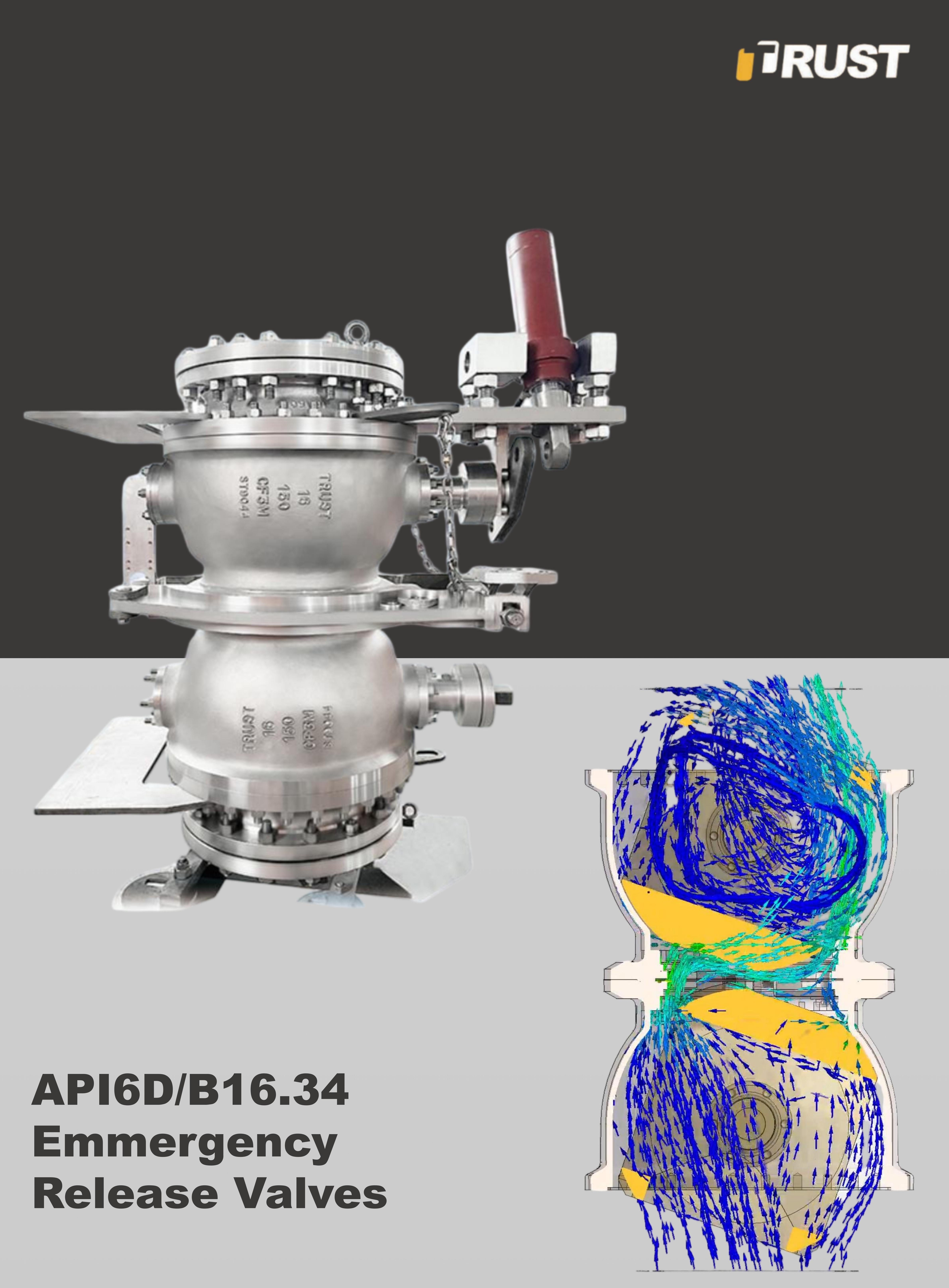
LNG Loading Arm Emergency Release Coupling (ERC) Valves are critical safety components in liquefied natural gas (LNG) loading and unloading systems. Their primary function is to quickly disconnect the loading arm from the vessel or storage tank in emergency situations, preventing LNG leaks and avoiding potential fires or explosions. The role of the ERC valve is to provide an emergency separation function during LNG loading and unloading, ensuring that in the event of equipment failure, leaks, pipe rupture, or other emergencies, the liquid flow can be quickly and automatically shut off, ensuring the safety of operators and preventing environmental pollution.
Key functions of LNG Loading Arm Emergency Release Coupling (ERC) Valves include:
- Emergency Disconnection: In the event of loading arm failure or system malfunction, the ERC valve can quickly and automatically release, disconnecting the loading arm from the LNG storage tank or vessel, preventing LNG leaks.
- Leak Prevention: By quickly closing the valve, the ERC valve ensures that LNG does not leak into the environment in emergency situations, avoiding serious fires, explosions, or environmental pollution.
- Safety Assurance: In the event of a pull-out, pipe rupture, or other mechanical failure, the ERC valve can quickly activate and shut off the liquid flow, providing operators with more time for subsequent handling.
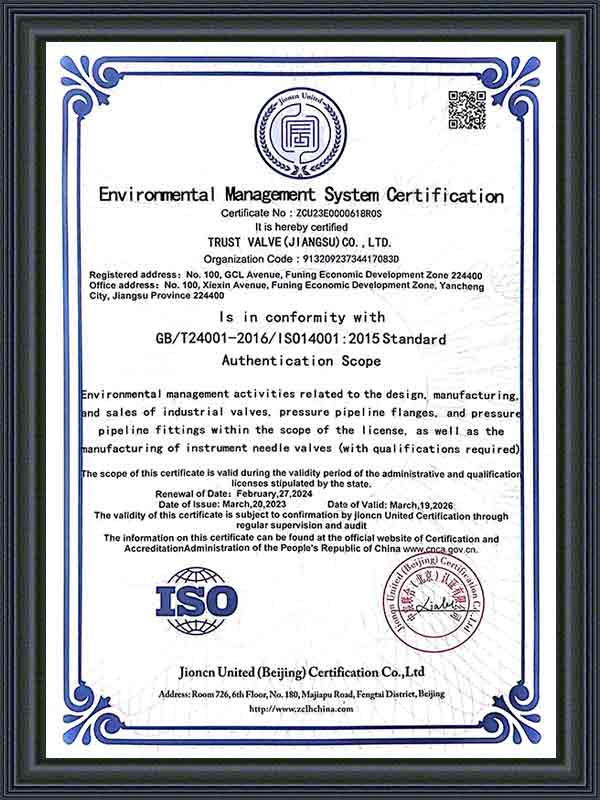
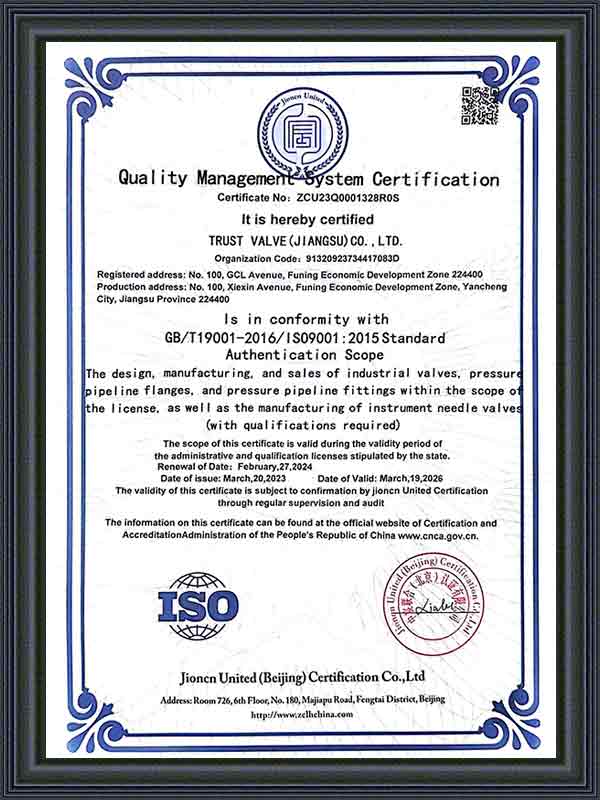
- Compliance with Safety Standards: ERC valves are typically designed to meet a range of international safety standards (such as API 607, ISO 9001, ATEX), ensuring their reliability and emergency operational capability.
Application Scenarios:
- LNG Receiving Terminals and Transfer Ports: Used in the loading and unloading process of LNG from ships to receiving terminals, ensuring effective isolation in abnormal situations to prevent leaks.
- Onshore or Offshore Storage Facilities: When any malfunction occurs during LNG loading and unloading, the ERC valve helps to quickly disconnect and prevent the accident from escalating.
What key components need to be inspected when maintaining LNG Loading Arm Emergency Release Coupling (ERC) Valves?
When maintaining LNG Loading Arm Emergency Release Coupling (ERC) Valves, ensuring the long-term reliable operation of the valve depends on the regular inspection and maintenance of its main components.
Key Component Inspection:
Seals (O-rings, rubber gaskets, etc.):
- Check for leaks: Seals are critical for preventing LNG leakage from the ERC valve. Regularly check for aging, cracks, or damage to ensure proper sealing performance. Especially under low-temperature conditions, LNG can cause embrittlement of some materials, so the low-temperature resistance of the seals must meet the standards.
- Replace seals: If aging, cracking, or wear is found in the seals, they should be replaced promptly to ensure the valve's sealing function remains intact.
Release Mechanism (Quick Disconnect Mechanism):
- Check trigger mechanism: The release mechanism of the ERC valve is the core component that automatically disconnects the connection in an emergency. It must be ensured that it is responsive and free from obstruction. Check for jamming, corrosion, or other mechanical failures to ensure the emergency release function can be activated quickly when needed.
- Lubrication and cleaning: To ensure the flexibility of the release mechanism, lubricate it regularly and remove any dirt or corrosive substances that may affect its operation.
Valve Body and Connecting Components:
- Check valve body integrity: The valve body needs to withstand extreme high-pressure and low-temperature environments. Regularly check the valve body for cracks, corrosion, or other damage.
- Check interfaces and bolts: For the interfaces connecting the loading arm to the storage tank or vessel, check the tightness of the connecting bolts to ensure they are not loose and prevent detachment in an emergency.
Automatic Control System (if applicable):
- Check electronic system function: If the ERC valve is equipped with an automatic control system or sensors, regularly check the sensitivity and response time of the sensors to ensure they can detect abnormalities in a timely manner and activate the emergency release function.
- Battery and electrical system check: If electric or automated operation is involved, check the battery and electrical system to ensure sufficient power and proper system operation.
Valve Actuation Device (Pneumatic or Hydraulic Drive):
- Check the operating condition of the actuation device: The actuation device of the ERC valve (e.g., pneumatic or hydraulic device) is a core component that controls the opening and closing of the valve. Check the drive system for leaks and ensure the pressure is normal to guarantee reliable operation of the actuation device in emergency situations.
- Check gas/hydraulic pressure: Regularly check the gas or hydraulic oil pressure in the system to ensure it is within the normal range, preventing the valve from malfunctioning due to insufficient pressure.
Regular Maintenance Measures:
- Cleaning and Inspection: Regularly clean the inside and outside of the valve to ensure there is no oil, corrosion, or foreign matter lodged in it. Keeping the valve surface and seals clean helps extend its service life.
- Function Testing: Regularly perform functional tests to ensure the valve operates correctly under the specified conditions, including pressure testing, leak testing, and emergency release testing.
How to ensure that the emergency release function of LNG Loading Arm Emergency Release Coupling (ERC) Valves is not affected by wear or contamination during long-term use?
In LNG loading and unloading processes, the emergency release function of ERC valves is crucial. Especially during long-term use, ensuring that this function is not affected by wear or contamination requires considering multiple factors. Trust Valve (JiangSu) Co., Ltd. provides customized valve solutions tailored to each customer's specific needs, ensuring that their LNG loading arm emergency release coupling valves (ERC valves) maintain efficient emergency response capabilities even during prolonged operation.
Customized Design:
Trust Valve (JiangSu) Co., Ltd. specializes in providing customized valve solutions based on the unique needs of its clients. To ensure that the emergency release function of ERC valves is not affected by wear or contamination during long-term use, the company offers the following customized design services:
- Material Customization based on Operating Environment: The low-temperature and corrosive environment during LNG loading and unloading requires the use of specific materials for ERC valves. Trust Valve (JiangSu) Co., Ltd. customizes materials resistant to low temperatures, corrosion, and wear (such as stainless steel, alloy materials, or fluoride coatings) according to each customer's needs, ensuring that the valve can operate continuously in harsh environments.
- Optimized Sealing System: For different operating conditions, Trust Valve (JiangSu) Co., Ltd. designs sealing systems for ERC valves that automatically adjust to changes in pressure and temperature. These sealing systems use high-performance materials (such as PTFE or fluororubber) to maintain good sealing performance in the low-temperature environment of LNG, preventing leaks due to seal failure.
- Meeting Customer's Individual Requirements: Trust Valve (JiangSu) Co., Ltd. works closely with customers to understand their specific operational requirements, thereby customizing suitable emergency release coupling valves. This includes not only the physical dimensions, connection type, and operating mechanism of the valve, but also specific emergency release response speed and safety requirements.
Collaborative Design Process:
Trust Valve (JiangSu) Co., Ltd. adheres to a collaborative design philosophy with its customers, ensuring that each customized ERC valve solution meets and exceeds customer expectations. Through the following methods, Trust Valve (JiangSu) Co., Ltd. optimizes the emergency release function of ERC valves and ensures their stability during long-term use:
- Customer Needs Research and On-site Support: Trust Valve (JiangSu) Co., Ltd. dispatches a professional team of engineers to work with customers, conducting on-site surveys to understand the specific challenges and environmental requirements of customer operations. Through in-depth communication with customers, the design team ensures that every design detail meets operational needs, preventing functional failure due to unsuitability to environmental conditions or frequent operation.
- Simulation and Testing: During the design process, Trust Valve (JiangSu) Co., Ltd. uses advanced technologies such as CFD (Computational Fluid Dynamics) analysis to simulate fluid dynamics, predicting and optimizing the valve's performance under various operating conditions, including emergency release response, fluid flow, and pressure changes. This allows for the identification and optimization of potential problems before actual production, ensuring that the valve can operate reliably under the most demanding conditions.
- Durability and Safety Testing: Before production, Trust Valve (JiangSu) Co., Ltd. typically conducts a series of pressure tests, temperature tests, and leakage tests on custom-designed ERC valves to ensure high reliability and emergency release capability during long-term use.
Adherence to Industry Standards and Regulations:
Trust Valve (JiangSu) Co., Ltd. ensures that all customized ERC valve designs comply with relevant industry standards and regulations, further enhancing their safety and reliability under extreme conditions. Key measures in this regard include:
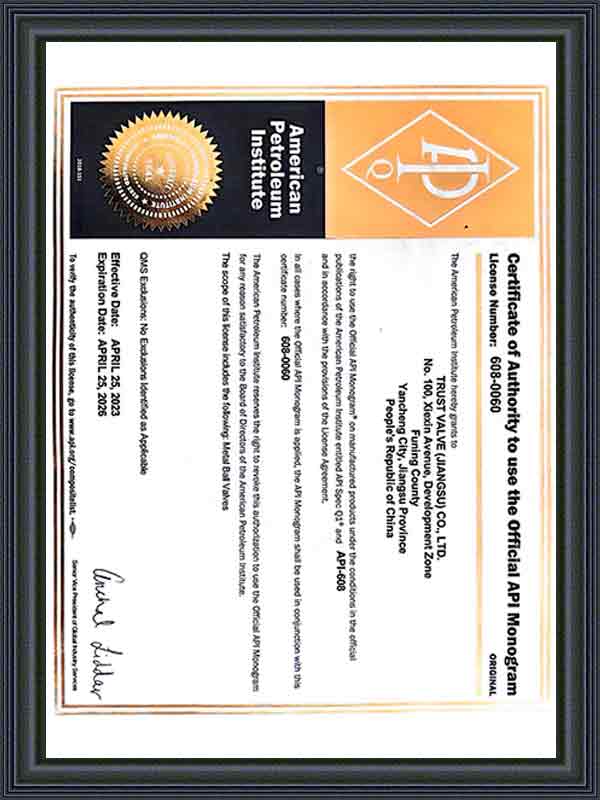
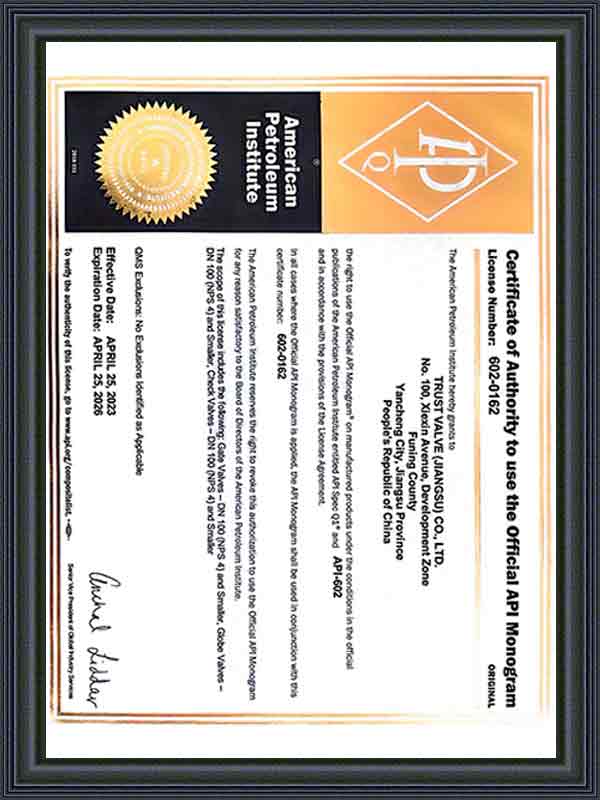
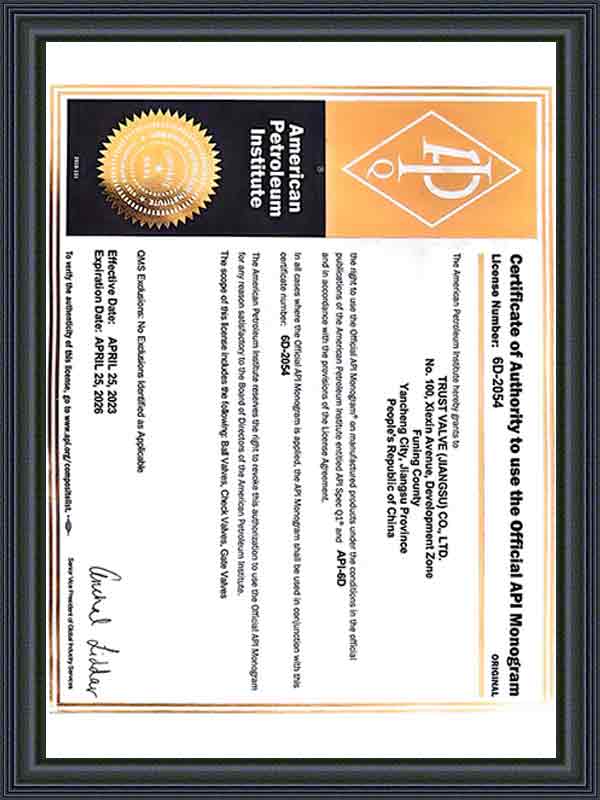
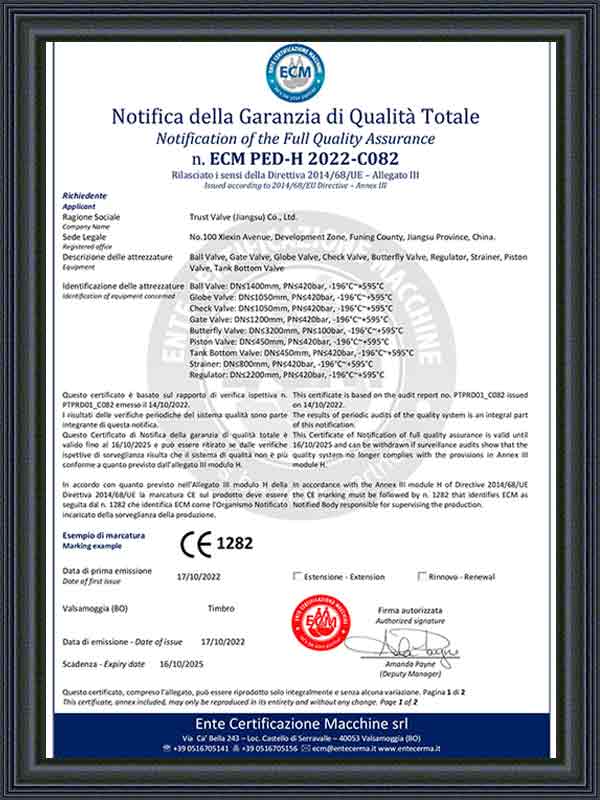
- Compliance with ASME, API, and DNV Standards: Trust Valve (JiangSu) Co., Ltd.'s ERC valve designs comply with multiple international standards, including ASME VIII (Pressure Vessel Standard), API 6A (Valve Standard in the Petroleum and Natural Gas Industry), API 6D (Pipeline Valve Standard), and DNV (Det Norske Veritas) certification. These standards guarantee the structure, performance, and safety of the ERC valve, ensuring its ability to withstand high pressure, low temperature, and corrosive fluid operations.
- Compliance with Regulatory Requirements: Globally, LNG loading and unloading operations are subject to strict environmental protection and safety regulations. Trust Valve (JiangSu) Co., Ltd. strictly adheres to these regulations, ensuring that every customized ERC valve not only meets customer needs but also complies with local safety, environmental, and other laws and regulations, avoiding potential risks caused by non-compliance.
- Long-term Reliability and Safety: At every design stage, Trust Valve (JiangSu) Co., Ltd. conducts rigorous compliance checks to ensure that the designed and manufactured ERC valves meet customer requirements for safety, reliability, and durability during long-term use.
Regular Maintenance and Inspection Plan:
To ensure that the emergency release function of the LNG loading arm ERC valve is not affected by wear or contamination, Trust Valve (JiangSu) Co., Ltd. recommends that customers perform regular maintenance checks. Through the following measures, the company helps customers maximize the service life of the valve and reduce the risk of failure:
- Regular Inspection and Replacement of Seals: Trust Valve (JiangSu) Co., Ltd. recommends that customers regularly check the condition of the seals, especially when operating in extremely low temperature and high-pressure environments, where seals may age, crack, or wear out. Timely replacement of seals helps ensure that the valve maintains good sealing performance and emergency release function.
- Regular Functional Testing: Customers can ensure that the valve responds quickly in emergency situations by regularly conducting pressure tests, leak tests, and emergency release tests. These tests allow for the early detection and repair of potential problems, preventing failures during actual operation.
- Cleaning and Lubrication: Regularly cleaning and lubricating the moving parts of the valve, especially in harsh environments such as offshore platforms, reduces wear problems caused by contaminants or salt spray, thus extending the service life of the valve.
 English
 русский
 Français
 中文简体
中文简体 Português
 Español
 italiano
 عربى
عربى فارسی
فارسی
cryogenicvalves.jpg "Cryogenic Valves")



 No.100 Xiejin Avenue, Funing County Economic Development Zone, Yancheng City, Jiangsu Province
  +86-515-87398111
  office@trustvalve.com
  Custom LNG Loading Arm Emergency Release Coupling (ERC) Valves Manufacturers