 English
 русский
 Français
 中文简体
中文简体 Português
 Español
 italiano
 عربى
عربى فارسی
فارسی
cryogenicvalves.jpg "Cryogenic Valves")
Efficient Discharge Control for Tank Bases
"Clog-Resistant. Leak-Tight. Trust Valve—Tank Bottom Reliability Redefined."

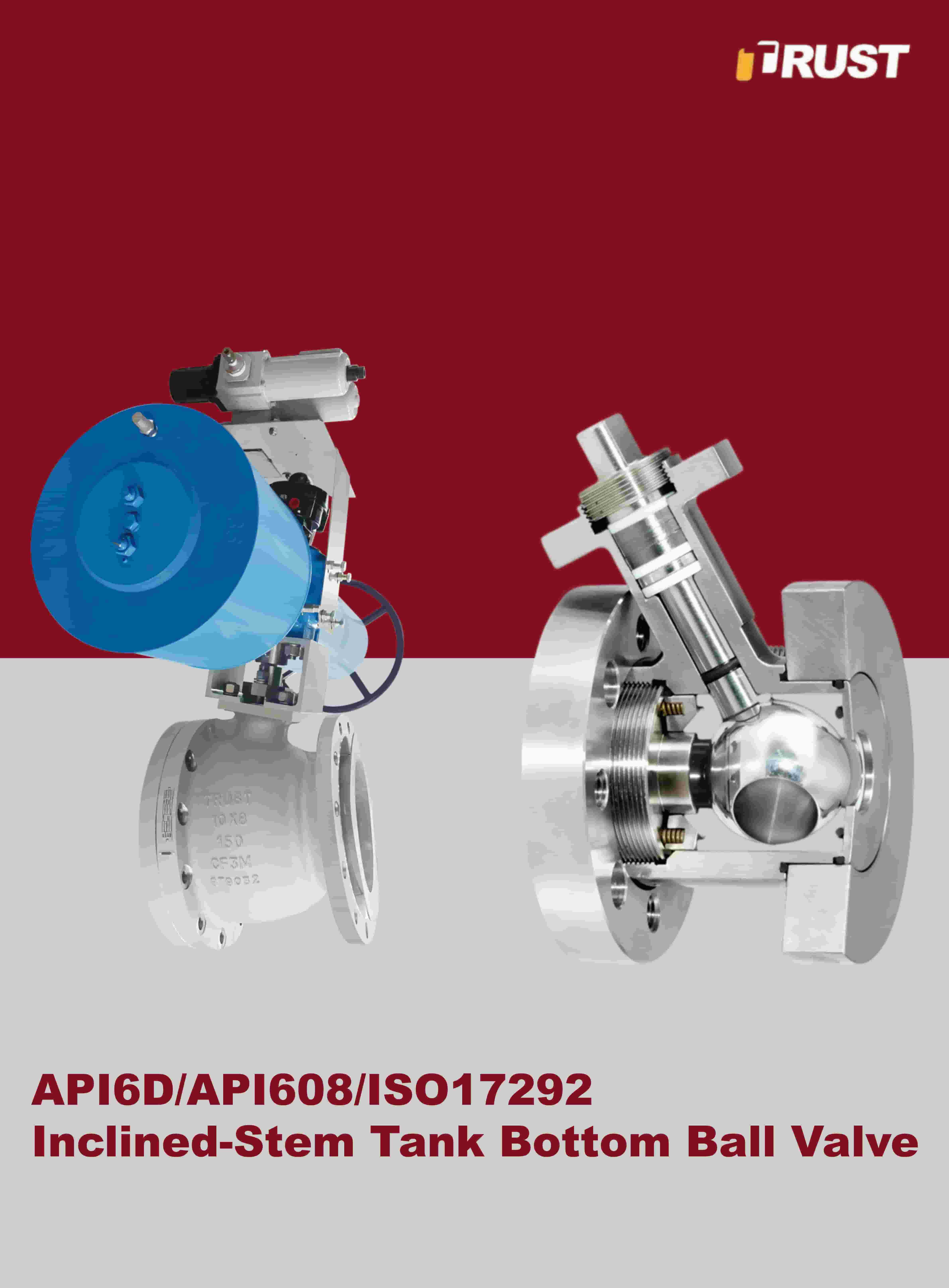
Efficient Discharge Control for Tank Bases
"Clog-Resistant. Leak-Tight. Trust Valve—Tank Bottom Reliability Redefined."
Technical Specifications
Applications
|
Features |
Benefits |
|
Inclined-Stem Design |
Angled stem keeps operating components clear of direct material flow, reducing fouling/corrosion and easing maintenance access. |
|
Full-Port Ball |
Unobstructed flow path minimizes pressure drop, enabling fast, complete tank discharge of liquids, slurries, or granular media. |
|
Tight Sealing |
Precision-machined ball with PTFE/elastomer seats ensures zero leakage—critical for hazardous or valuable materials. |
|
Abrasion-Resistant Build |
316L stainless steel, carbon steel, or alloy bodies; hardened ball/stem options (tungsten carbide) for abrasive service. |
|
90° Quarter-Turn Operation |
Quick on/off control, compatible with manual, gear, or actuator (pneumatic/hydraulic) operation. |
Technical Specifications
Applications
Standard Tank Bottom Valves
Corrosion-Resistant Models
Heavy-Duty Abrasive Service
Technical Specifications
Applications
Technical Specifications
Applications


Can Inclined-Stem Tank Bottom Ball Valves Achieve True Dead-Angle-Free Discharge?
Understanding the Concept of Dead-Angle-Free Discharge
Dead-angle-free discharge refers to the ability of a tank bottom valve to empty material without leaving residues in corners or stagnant zones. This requirement is common in industries involving powders, viscous liquids, sensitive chemicals, and sanitary products. Inclined-stem tank bottom ball valves are designed with a stem angle that facilitates smoother flow paths, thereby reducing material retention. Jiangsu Tianyu Valve Manufacturing Co., Ltd., with extensive experience in special-structure valves, provides customized tank bottom ball valves tailored to demanding conditions such as strong corrosion, high pressure, high temperature, and ultra-low temperature. The company’s design capability ensures that the flow geometry can be optimized to approach dead-angle-free operation in various applications.
How Inclined-Stem Design Reduces Residual Material
The inclined-stem structure changes the orientation of the ball relative to the tank bottom, positioning the flow channel to align more closely with the lowest point of the container. This reduces the chance of material accumulating in cavities. By lowering the stem angle, the ball can open in a way that directs the medium downward smoothly. Tianyu Valve’s engineering solutions often involve refining internal channel surfaces and transition radii to minimize turbulence, which is important for discharge efficiency. These details are particularly beneficial for viscous or cohesive media found in chemical or pharmaceutical production environments.
Influence of Ball Port Shape on Discharge Performance
Ball port geometry significantly affects whether true dead-angle-free discharge can be achieved. For example, full-port designs provide a larger flow path and reduce obstruction. In inclined-stem valves, adjusting the port shape can help reduce internal pockets where material may temporarily accumulate. Jiangsu Tianyu Valve Manufacturing Co., Ltd. utilizes various customized port shapes in its tank bottom valves to meet the needs of special working conditions, including ultra-low temperature and strong-corrosion environments. These adaptations help improve the continuity of discharge and consistency of material flow from different tank types.
Material Compatibility and Surface Treatment
Material selection is important for obtaining clean discharge results. Metals such as stainless steel or special alloys resist corrosion and maintain smooth internal surfaces during long-term operation. Tianyu Valve specializes in special-material valves that meet strict working conditions. With appropriate surface treatment, such as polishing or passivation, the inner flow path becomes smoother, which helps reduce material adhesion. These enhancement methods are commonly applied in tank bottom ball valves to assist the discharge process and reduce cleaning frequency.
Sealing Structure and Its Role in Dead-Angle Reduction
The sealing components in inclined-stem tank bottom ball valves influence how close the valve can come to achieving dead-angle-free discharge. Soft seals, metal seals, or composite seals behave differently when interacting with viscous or abrasive media. Tianyu Valve’s sealing design ensures stable performance even under high temperature or strong-corrosion conditions. An optimized seal arrangement limits unnecessary cavities near the ball, which helps maintain smoother flow during discharge operations. Although complete elimination of dead zones may not always be achievable due to structural limitations, advanced sealing design can significantly reduce residue accumulation.
Installation Angle and Tank Bottom Geometry
Even with well-designed inclined-stem tank bottom ball valves, installation quality and tank bottom shape play essential roles. Tanks with conical or sloped bottoms allow the valve to align with gravity flow, reducing stagnant zones. The installation angle ensures the valve’s port remains at the lowest point of the vessel. Jiangsu Tianyu Valve Manufacturing Co., Ltd. frequently considers tank geometry when customizing valves, ensuring the inclination corresponds to the discharge direction required by the process. Proper alignment between valve and tank bottom increases the likelihood of near dead-angle-free discharge.
Factors Influencing Dead-Angle-Free Discharge
| Influencing Factor | Impact on Discharge |
|---|---|
| Stem Inclination Angle | Affects material flow direction and residue accumulation. |
| Ball Port Geometry | Determines smoothness and openness of discharge channel. |
| Valve Material | Influences resistance to corrosion and internal smoothness. |
| Sealing Structure | Contributes to minimized cavities and stable sealing behavior. |
| Tank Bottom Design | Supports gravity-assisted flow and reduces stagnant zones. |
Suitability for Special Working Conditions
Inclined-stem tank bottom ball valves must operate under varied industrial conditions. Tianyu Valve’s expertise in special-material valves allows its products to function reliably in environments involving cryogenic media, hydrogenation processes, strong acids, and high-pressure systems. These demanding conditions require valves that maintain structural integrity while supporting clean discharge. The company’s tailored approach ensures the valve’s design parameters, including stem inclination, port configuration, and sealing material, align with the specific working environment.
Practical Limitations and Optimization Strategies
Although inclined-stem tank bottom ball valves can significantly reduce dead angles, absolute dead-angle-free discharge may be limited by tank structure, medium characteristics, or operational habits. Sticky or coagulating media may still leave thin layers of residue. To improve performance, Tianyu Valve optimizes ball-seat clearance, internal surface treatments, and stem orientation while also advising operators on best practices. Enhancing cleaning procedures and selecting appropriate flow rates during discharge are additional measures that support cleaner valve operation.
What Is the Sealing Structure of Inclined-Stem Tank Bottom Ball Valves?
Overview of the Sealing Structure in Inclined-Stem Tank Bottom Ball Valves
Inclined-stem tank bottom ball valves are widely used in processes requiring controlled bottom discharge, such as pharmaceutical preparation, chemical synthesis, polymer processing, and food production. Their sealing structure must maintain stable performance even under high temperature, strong corrosion, or ultra-low temperature. Jiangsu Tianyu Valve Manufacturing Co., Ltd., a manufacturer specializing in special materials and special structures since 1997, develops customized sealing systems that adapt to demanding industrial environments. The sealing structure typically consists of the seat ring, ball surface, stem seals, and auxiliary support components. Each part contributes to maintaining tight shutoff and reliable operation during frequent opening and closing cycles.
Primary Ball–Seat Sealing Interface
The primary sealing interface is formed between the ball surface and the valve seat. This sealing pair determines the core sealing reliability of the valve. In inclined-stem tank bottom ball valves, the seat ring must be shaped to match the inclined flow channel to ensure consistent contact during rotation. Tianyu Valve often utilizes materials such as PTFE, reinforced PTFE, PCTFE, or metallic alloys depending on working conditions involving high pressure, strong corrosion, or ultra-low temperature. These seat materials resist deformation and maintain sealing stability even when exposed to thermal cycling or mechanical stress. The ball surface is polished to reduce friction, enabling smoother operation and consistent sealing contact across the entire seat interface.
Stem Sealing Components and Their Function
The stem seal is essential in preventing external leakage. The inclined stem of the tank bottom valve increases structural complexity compared with standard vertical-stem ball valves. To maintain stability, the valve structure incorporates multiple layers of sealing, such as packing rings, O-rings, and stem bushings. Jiangsu Tianyu Valve Manufacturing Co., Ltd. frequently applies special packing materials resistant to chemical attack and high temperatures. The inclined arrangement requires the stem to withstand lateral forces during operation, so reinforced stem sealing systems are used to ensure consistent sealing even when subjected to repeated rotational motion. Proper stem design also reduces torque load and helps maintain stable valve operation.
Metal Sealing Structures for Harsh Conditions
In extremely harsh environments, such as ultra-high temperature, high-pressure hydrogenation, or strong corrosive processes, metal sealing structures provide enhanced durability compared with soft sealing materials. Metal seats maintain shape under thermal expansion variations and offer reliable sealing even under repeated cycling. Tianyu Valve produces metal-seated inclined-stem tank bottom ball valves using special alloys selected for specific conditions. When combined with surface treatments such as hard coating or precision lapping, the sealing interface becomes more resistant to wear, ensuring a longer service life. Though metal seals may require higher operating torque, they perform reliably in environments where soft materials may experience accelerated degradation.
Seat Preload Mechanisms and Stability
Seat preload is vital in achieving stable sealing contact between the ball and the seat. Spring-loaded seat designs ensure that the valve maintains sealing engagement even when internal pressure fluctuates. Preload systems compensate for thermal expansion and material wear during long-term use. Jiangsu Tianyu Valve Manufacturing Co., Ltd. adjusts preload force based on specific application requirements, particularly for strong corrosion and high-temperature media. This adjustment helps the sealing pair maintain consistent behavior during bottom discharge, even when material viscosity varies or when the process involves frequent thermal cycling. Proper preload contributes to reducing leakage risks and prolonging the valve’s operational stability.
Influence of Surface Finishing on Sealing Performance
Surface finishing plays an important role in sealing structure effectiveness. The ball surface is polished to reduce friction and enhance contact quality. Seat surfaces receive different finishing treatments depending on the material used. For polymeric seats, smooth machining and controlled surface roughness help maintain uniform contact. For metallic seats, precision lapping ensures closely fitted metal-to-metal sealing. Tianyu Valve enhances sealing reliability by conducting strict surface processing to avoid irregularities that may compromise sealing effectiveness. These finishing methods contribute to improved discharge cleanliness, particularly important for tank bottom valves used in sanitary or chemical production.
Common Sealing Materials and Their Application Conditions
| Sealing Material | Main Characteristics | Applicable Working Conditions |
|---|---|---|
| PTFE | Low friction, chemical resistance | General chemical media, moderate temperatures |
| Reinforced PTFE | Improved wear resistance, higher stability | High cycling operations, light abrasive fluids |
| PCTFE | Low-temperature resilience | Cryogenic applications |
| Metal Alloy Seat | High temperature and pressure tolerance | Hydrogenation, strong corrosion, ultra-high temperature |
Sealing Structure Considerations for Bottom Discharge
Inclined-stem tank bottom applications require the sealing components to operate under direct contact with heavy or viscous materials. During bottom discharge, medium flow direction interacts with the ball–seat area, making it important for the structure to minimize dead angles and reduce residue accumulation. Jiangsu Tianyu Valve Manufacturing Co., Ltd. applies optimized sealing geometry that supports smooth discharge paths. Proper alignment between the inclined stem and tank bottom helps maintain stable sealing status even when the tank undergoes pressure variation. Additionally, the company ensures that seat design accommodates different discharge requirements, including rapid emptying or controlled dosing.
Maintenance Considerations for Prolonging Sealing Life
Although sealing structures are designed for durability, regular inspection improves long-term reliability. Checking seat wear, stem packing condition, and ball surface smoothness helps detect early signs of sealing degradation. Tianyu Valve’s special-material and special-structure expertise allows its tank bottom ball valves to be serviced with customized replacement components suitable for specific working environments. Maintenance activities ensure consistent sealing performance in industries that require reliable bottom discharge and frequent valve actuation.
 No.100 Xiejin Avenue, Funing County Economic Development Zone, Yancheng City, Jiangsu Province
  +86-515-87398111
  office@trustvalve.com
 Copyright © Trust Valve (JiangSu) Co.,Ltd. All Rights Reserved.
 Custom Inclined-Stem Tank Bottom Ball Valves Manufacturers