 English
 русский
 Français
 中文简体
中文简体 Português
 Español
 italiano
 عربى
عربى فارسی
فارسی
-
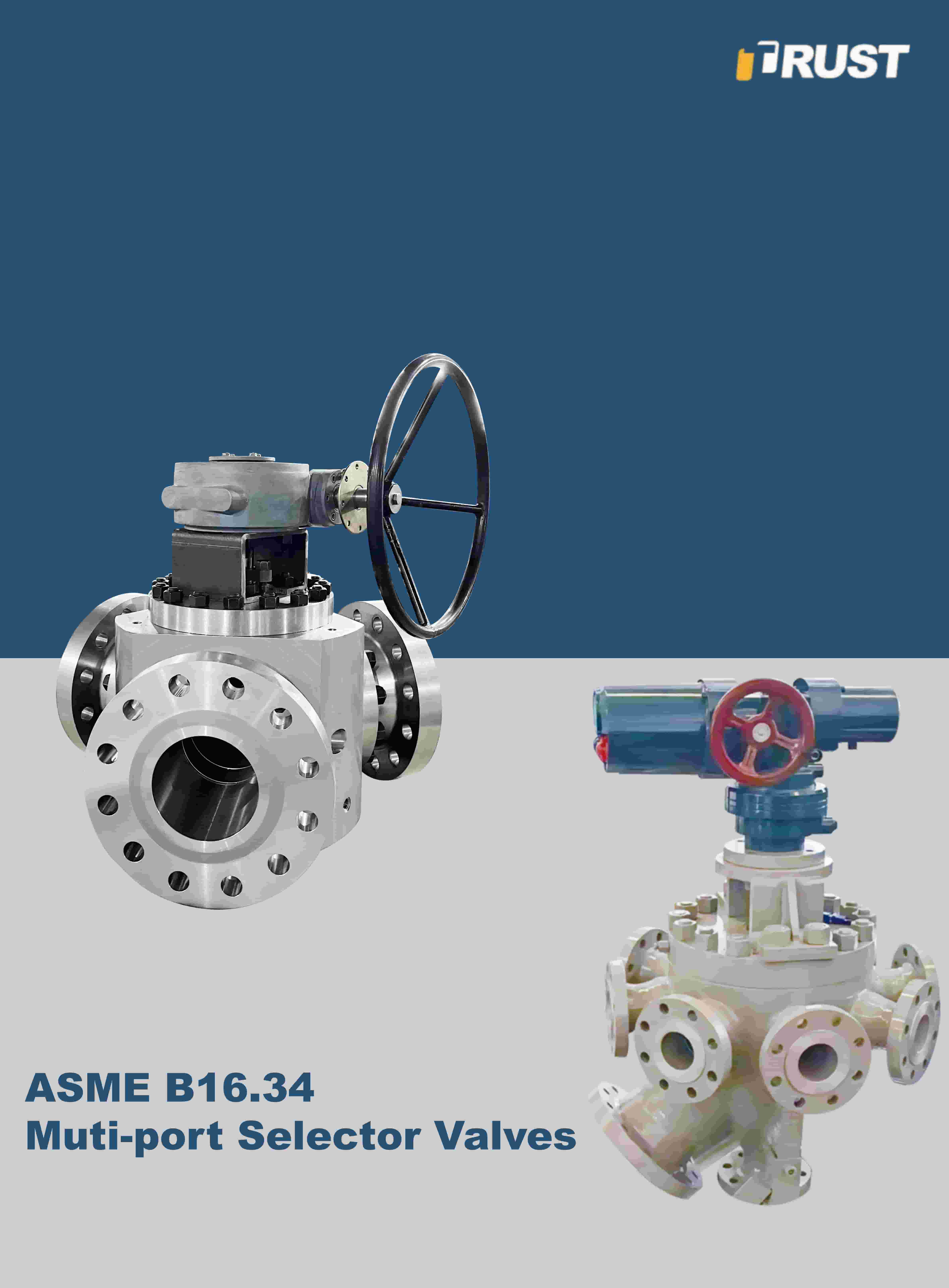
Precision Seal Design and Strategic Placement — One of the most fundamental mechanisms ensuring port-to-port isolation in a Multi-Port Selector Valve is the use of high-precision seals. These valves typically employ elastomeric seals, O-rings, or chemically resistant PTFE gaskets, which are strategically positioned around the rotor, spool, or sliding element to create a continuous barrier between each fluid port. These seals prevent fluid from leaking or migrating from one port to another when the valve is switched or in a neutral position. The seals are selected based on multiple factors: chemical compatibility with the fluids being handled, resistance to temperature fluctuations, mechanical wear tolerance, and pressure endurance. Advanced valve designs may incorporate multi-lip seals or secondary backup seals to enhance isolation reliability, particularly in high-stakes applications such as pharmaceuticals, food processing, or chemical handling, where even trace contamination can compromise safety and quality.
-
Tight Machining Tolerances and Manufacturing Accuracy — Achieving effective isolation requires extremely precise manufacturing. The mating surfaces between the rotor or spool and the valve body are machined to tight tolerances, often within a few microns, to ensure that there are no gaps that could allow fluid to bypass the seals. High-precision CNC machining, surface finishing, and quality inspection processes are employed to maintain concentricity, flatness, and alignment of the sealing surfaces. These precise tolerances ensure that when the valve is actuated to a specific port, the selected pathway is fully connected while all unselected ports remain completely isolated. Even under high-pressure conditions, accurate machining prevents leakage between ports, ensuring consistent and safe operation over the valve’s lifetime.
-
Rotor or Spool Alignment and Motion Control — In a Multi-Port Selector Valve, the rotor or spool is the moving element that determines which ports are connected. Proper alignment of this component is essential to maintain port-to-port isolation. The valve is designed with indexing mechanisms, detents, or locking stops that ensure the rotor aligns precisely with the selected port position during actuation. Misalignment can create partial openings between ports, leading to cross-contamination. High-quality valves also include low-friction, guided motion systems to reduce the risk of skewing or rotational play. This ensures that repeated switching operations, even under frequent use, maintain perfect isolation between fluid streams.
-
Pressure-Balanced Seals and Differential Pressure Management — Multi-Port Selector Valves often operate in systems where different ports experience varying pressure levels. To prevent leakage from high-pressure ports to lower-pressure ports, the seals are designed to be pressure-balanced, meaning they can withstand differential pressure without deforming or extruding. Some valves include internal pressure equalization channels or relief pathways that prevent transient pressure spikes from compromising seal integrity. Properly engineered pressure-balanced seals allow the valve to maintain absolute port-to-port isolation even under extreme operating conditions, such as rapid actuation or high-viscosity fluid flow.
-
Material Selection, Surface Finish, and Coatings — The materials used for both the rotor/spool and valve body play a key role in isolation performance. Corrosion-resistant metals, polymers, or coated surfaces reduce wear on the sealing interfaces and prevent chemical degradation. Smooth surface finishes minimize friction and abrasion, which could otherwise wear down seals over time, compromising isolation. For applications involving abrasive, acidic, or reactive fluids, hardened or coated surfaces protect the integrity of the sealing interface. Proper material selection ensures that isolation is maintained over prolonged operational cycles and across a range of fluid types and operating conditions.
-
Redundant Sealing Systems for Critical Applications — In high-risk or sanitary applications, Multi-Port Selector Valves often feature redundant sealing systems to provide a fail-safe against cross-contamination. For example, dual O-ring seals or back-to-back gaskets can be employed so that if the primary seal wears or fails, the secondary seal continues to maintain full port-to-port isolation. Redundant sealing is particularly important in pharmaceuticals, food and beverage processing, or chemical production, where even minimal leakage could cause contamination, regulatory non-compliance, or equipment damage.
-
Routine Maintenance and Inspection — Even the most precisely engineered valves require maintenance to maintain effective isolation over time. Regular inspection of seals for wear, cracks, or chemical degradation is essential. Replacement of worn seals, lubrication of moving parts, and verification of rotor or spool alignment ensure that the valve continues to function as intended. Maintenance schedules are typically defined by operating conditions, including fluid type, pressure, temperature, and frequency of actuation. Well-documented maintenance practices significantly reduce the risk of cross-contamination during long-term operation.

 No.100 Xiejin Avenue, Funing County Economic Development Zone, Yancheng City, Jiangsu Province
  +86-515-87398111
  office@trustvalve.com