 English
 русский
 Français
 中文简体
中文简体 Português
 Español
 italiano
 عربى
عربى فارسی
فارسی

The stainless steel ball valve uses a bored, rotating ball to start or stop fluid flow in a pipeline. In practical terms, its function goes beyond simple on/off operation: the valve must seal bubble-tight under working pressure, resist corrosion from the process medium, and repeat the same motion thousands of times without losing performance. How well it does these jobs depends on the body material, seat material, and ball geometry more than on the label "stainless steel ball valve."
That point matters because the same valve that works for ten years in a clean water line can fail within months in a chloride-rich chemical service or in a throttling duty it was never designed for. This article breaks down the functions of stainless steel ball valves, the material and configuration choices that change those functions, and how to select the right valve for a given plant service.
The Primary Function: Bubble-Tight Shut-Off in a Quarter Turn
The core function of a stainless steel ball valve is isolation. Rotating the stem 90 degrees turns the ball so its bore aligns with the pipe run and flow passes through with almost no pressure drop; rotating it back 90 degrees turns the solid face of the ball against the seats and stops the flow completely. No other common valve type closes as quickly with a single quarter-turn motion.
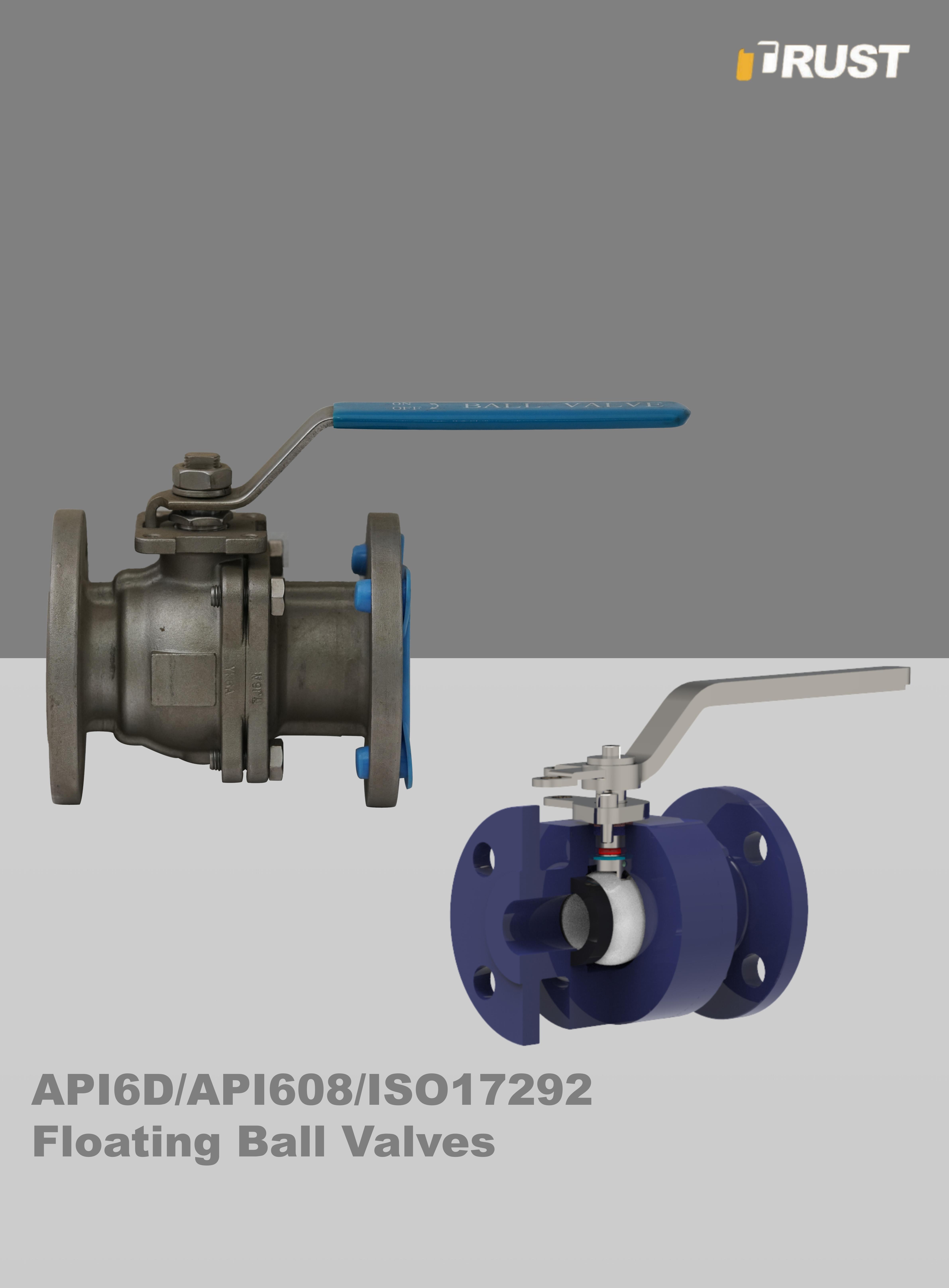
This behavior explains why ball valves are so widely used for emergency isolation and routine block service. In a floating ball design, line pressure pushes the ball into the downstream seat, so the seal tends to get tighter as pressure rises. Pair a 316 stainless steel body with PTFE seats, and you have a proven combination for corrosive media in chemical plants. For these duties, a soft-seated floating ball valve is normally the right starting point.
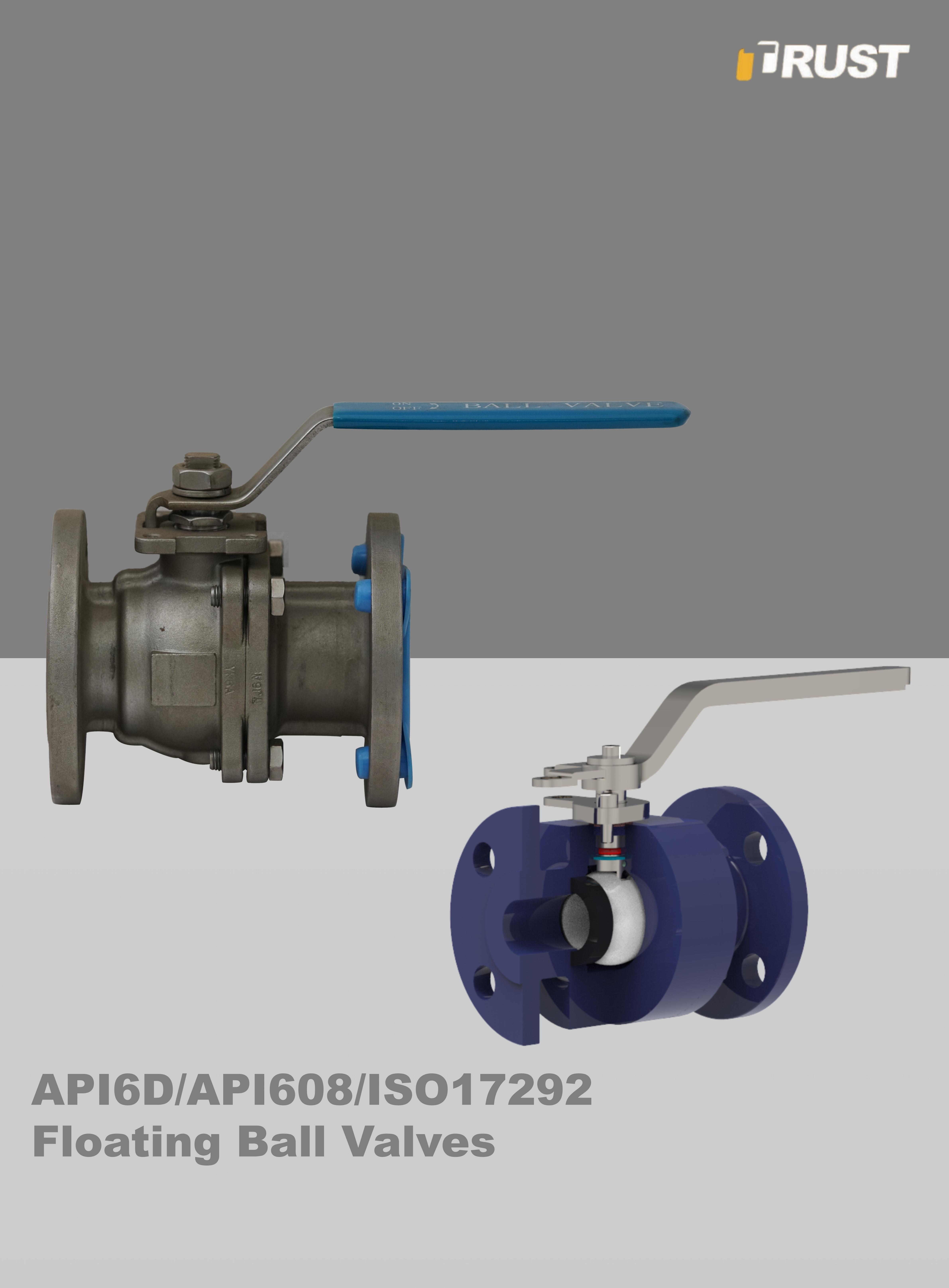 Cutsom Soft-Seated Floating Ball Valves Manufacturers, OEM/ODM Suppliers - TrustTrust Valve (Jiangsu) Co., Ltd. is top China custom Soft-Seated Floating Ball Valves manufacturers and OEM/ODM suppliers,Precision Contro...View Product →
Flow Control and Throttling: Know the Limits
A standard ball valve is not a precision throttling device. Its flow characteristic is close to quick-opening, meaning that a small rotation from the closed position produces a disproportionately large increase in flow. That makes stable control difficult when the valve is used with a positioner in a process loop.
When the required function is throttling rather than isolation, the ball geometry has to change. A V-ball uses a V-shaped notch to produce a more even and predictable flow response, in most cases close to an equal-percentage characteristic. A C-ball achieves a similar goal with a different opening profile and is occasionally preferred where pressure-drop calculations favor its shape. Both configurations also provide a shearing action at the seat, which helps when the medium contains fibers or solids. If one valve must handle both isolation and regulation, a C-ball ball valve is a practical alternative to installing a separate control valve.
 Cutsom C-Ball Ball Valves Manufacturers, OEM/ODM Suppliers - Trust Valve (JiangsTrust Valve (Jiangsu) Co., Ltd. is top China custom C-Ball Ball Valves manufacturers and OEM/ODM suppliers,Cavity-Free Reliability for Cr...View Product →
Why Stainless Steel Is Part of the Function
Material selection is not a cosmetic detail; it directly changes what the valve can do in a given medium. Stainless steel ball valves provide four functional advantages that matter in industrial service:
- Corrosion resistance: the body and wetted parts resist pitting, crevice corrosion, and general attack from acids, seawater, and humid atmospheres.
- Strength over a wide temperature range: stainless steel retains useful mechanical properties from cryogenic service at -196 degrees C up to the high-temperature limits in the valve pressure-temperature rating.
- Resistance to erosion: the hard surface handles media carrying small amounts of abrasive particles better than brass or cast iron.
- Hygienic compatibility: the smooth, cleanable surface makes stainless steel ball valves usable in food, beverage, and pharmaceutical lines where contamination cannot be tolerated.
Within the stainless steel family, the most common grades are 304 and 316. Grade 304 resists mild corrosion from water, air, and several organic acids. Grade 316 adds molybdenum, which substantially raises resistance to chlorides and industrial chemicals. In coastal plants or processes using chloride-bearing media, the difference between 304 and 316 is not a cost detail; it is a service-life decision.
There is a second point engineers often miss: switching the body material from carbon steel to stainless steel changes the allowable pressure at elevated temperatures. The pressure-temperature rating of a stainless steel valve body is not automatically equal to that of a carbon steel body in the same nominal class. Always check the rating table for the exact material before approving a valve for high-temperature steam or process duty.
How Configuration Changes the Function
Besides material, the mechanical arrangement of the ball determines which function the valve can realistically perform. The table below summarizes the main configurations.
| Configuration | Typical sizes | Pressure range | Primary function |
|---|---|---|---|
| Floating ball | Up to DN200 (8 inches) | Low to moderate, typically Class 150-600 | General isolation |
| Trunnion-mounted ball | DN50 to DN900 and larger | Moderate to high, Class 300-1500 and above | High-pressure pipeline isolation |
| V-ball or C-ball | DN25 to DN300 | Depends on body rating | Throttling and control |
| Multi-port ball | DN25 to DN300 | Moderate | Flow switching, mixing, or diverting |
A trunnion-mounted ball valve holds the ball with a fixed shaft, which keeps operating torque low at high pressure and makes the design suitable for large-diameter and high-pressure pipelines. A multi-port ball valve can replace the function of two or more standard valves in a manifold, reducing potential leak points and simplifying operation. Even with identical materials, these configurations are not interchangeable in service.
Matching the Function to the Application
Selection starts by defining the required function in the actual service: isolation or throttling, in what medium, at what pressure and temperature, and with what expected cycle life. In chemical and petrochemical plants, the dominant need is corrosion-resistant, bubble-tight isolation, and a 316 stainless steel floating ball valve with PTFE seats is the proven workhorse.
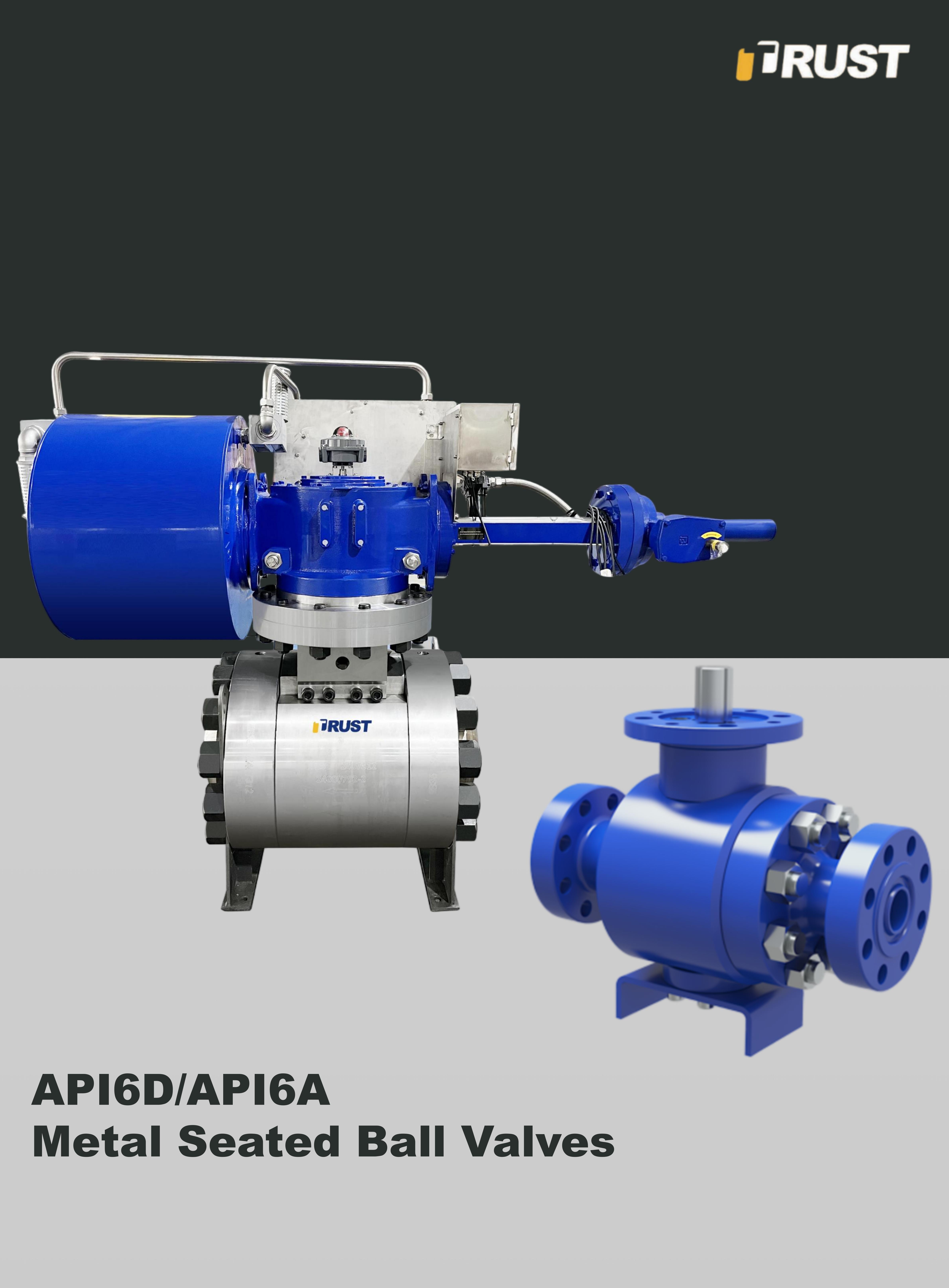
In oil and gas production, the emphasis shifts to pressure and abrasion. High-pressure gas, sand, and produced water erode soft seats quickly, which is why metal-seated ball valves are used in these duties. The metal-to-metal seal sacrifices a small amount of tightness but survives conditions that would destroy a PTFE seat within weeks.
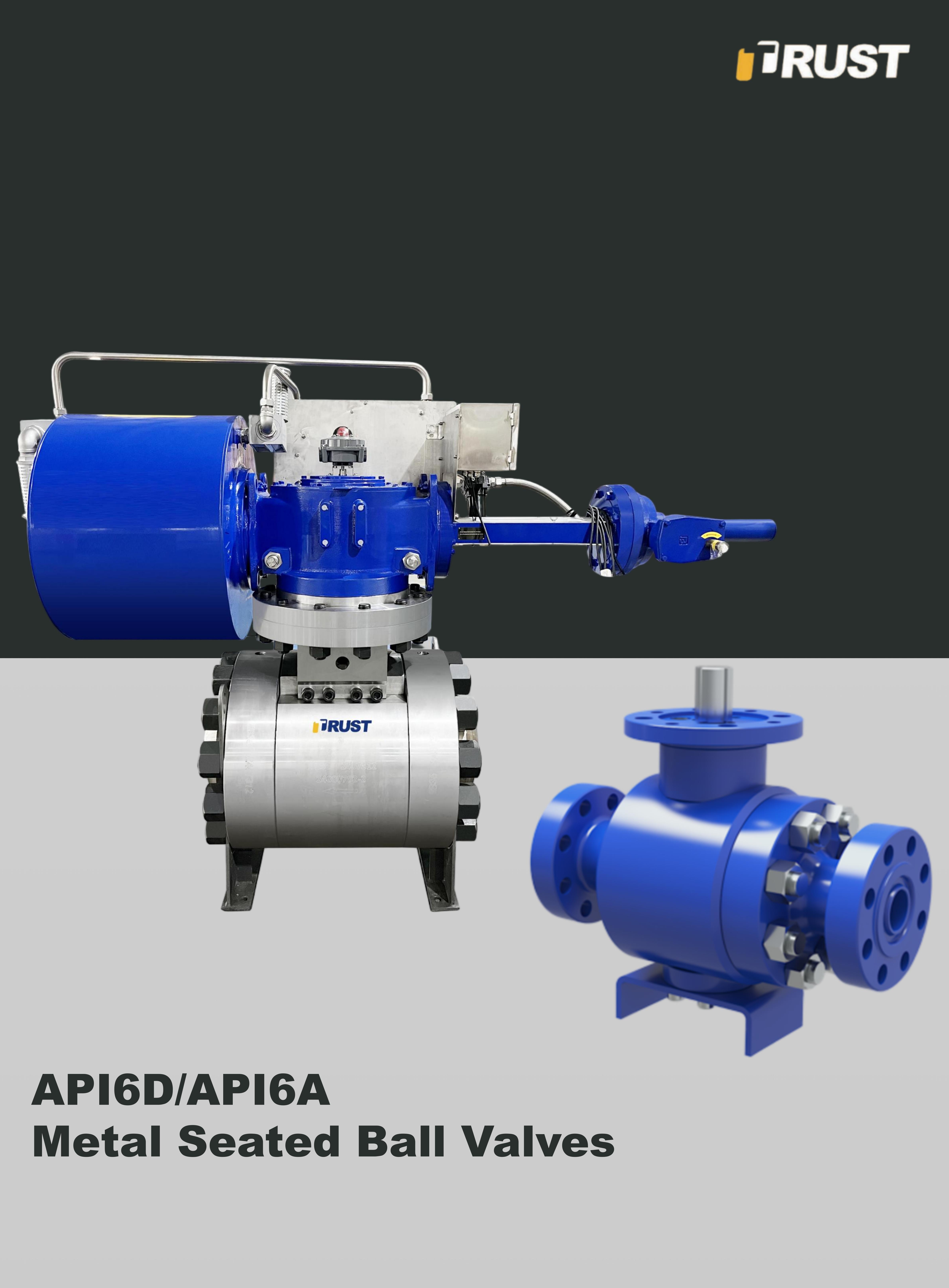 Industrial Metal Seated Ball Valves Manufacturers, SuppliersTrust Valve (Jiangsu) Co., Ltd. is China industrial metal seated floating ball valves manufacturers and OEM/ODM suppliers, we custom trun...View Product →
Low-temperature and LNG services require specially designed cryogenic ball valves, while high-temperature steam systems require materials and seats that hold up at the upper end of the rating curve. In mining, metallurgy, and power generation, the same rules apply: the application defines the function, and the function defines the valve specification.
Practical Points for Specification and Procurement
Four verification points help avoid the most common specification mistakes:
- Confirm the pressure-temperature rating for the exact body material, not for the nominal class alone. Stainless steel and carbon steel bodies of the same class can have different allowable working pressures.
- Select the seat material by maximum operating temperature. PTFE begins to lose structural strength above about 200 degrees C; PEEK extends the range; metal seats are required for severe high-temperature services.
- Do not use a standard full-bore ball valve as a throttling valve. Use a V-ball or C-ball design for control duty.
- Check the stem seal and body seal materials, because most in-service leakage in stainless steel ball valves starts at the seal rather than through the ball.
The function of a stainless steel ball valve is not a fixed property. It is the result of material selection, mechanical configuration, and application judgment. When those three align, a stainless steel ball valve is among the most reliable and lowest-maintenance components in a process plant. When they do not, the same valve becomes a recurring safety and maintenance problem. Define the function first, then select the valve for that function.


 No.100 Xiejin Avenue, Funing County Economic Development Zone, Yancheng City, Jiangsu Province
  +86-515-87398111
  office@trustvalve.com