 English
 русский
 Français
 中文简体
中文简体 Português
 Español
 italiano
 عربى
عربى فارسی
فارسی

When Do 4B11 Stainless Steel Valves Actually Make Sense?
If you are building a Mitsubishi 4B11 for more boost, higher RPM, or aggressive fuels, the factory valves are often the first part of the cylinder head that reaches its practical limit. Aftermarket stainless steel valves can solve that, but they are not a universal upgrade. For a street-driven car with stock turbo and a moderate tune, the original valves may last as long as the engine. For a track car that sits above 6,500 rpm for extended periods, stainless valves are one of the most cost-effective reliability upgrades you can buy.
Why the Modified 4B11 Valve Train Is a Weak Point
The 4B11 is an aluminum-block 2.0L turbo engine used in the Lancer Evolution X and several other Mitsubishi models. In stock form, the exhaust valves are made from a heat-resistant alloy steel that handles normal factory boost and typical street driving. Once you increase boost pressure, add ethanol, or extend high-RPM running, exhaust gas temperatures rise quickly. Under sustained load, the valve head and seat face can exceed the temperature limits of the stock alloy, leading to erosion, guttering, or a burnt seat.
Intake valves generally run cooler, but they still see higher cylinder pressures and hotter intake air when the engine is tuned. If you are already replacing springs, retainers, and camshafts, swapping the valves at the same time is the practical choice, because the labor cost of doing it later means removing the cylinder head twice. That is why many builders decide on stainless valves during the initial head build rather than waiting for a failure.
What Stainless Steel Valves Actually Offer
When people talk about stainless steel valves for a 4B11, they usually mean valves made from heat-resistant austenitic stainless steels such as 21-2N or 21-4N. These grades contain significant amounts of chromium, nickel, and nitrogen, which preserve hardness and tensile strength well past the point where ordinary valve steel begins to soften. At temperatures around 700 to 800°C, a 21-4N exhaust valve maintains far more strength than a factory alloy steel unit, which directly reduces the chance of valve tulipping, seat recession, and face guttering.
Stainless steel also resists corrosion from combustion byproducts better than carbon steel. That matters if you run ethanol fuels, water-methanol injection, or a very rich tune that leaves acidic deposits on the valve head. In a street car, the effect is subtle. In a car that logs many hours at full load, it is one of the reasons stainless valves keep sealing lap after lap.
OEM vs Stainless Steel Valve Comparison
| Property | Factory Alloy Steel | Stainless Steel (21-4N style) |
|---|---|---|
| High-temperature strength | Adequate for stock tune | Superior above 650°C |
| Corrosion resistance | Moderate | Better with aggressive fuels |
| Weight at same size | Usually lighter | Often slightly heavier |
| Wear resistance | Good with stock seats | Depends on seat material and coating |
| Cost | Lower | Higher |
That table makes the tradeoff obvious: stainless is not automatically lighter, cheaper, or easier to run. It is a material that trades a little extra weight and cost for much better survival in heat. That is a fair exchange for an engine that sees track time, but not for a daily driver on low boost.
Fit, Sizing, and Valve Train Compatibility
Most aftermarket 4B11 valve sets are available in OEM dimensions or oversized versions such as +1.0mm intake and +0.5mm exhaust. Oversized valves increase the valve curtain area and can improve high-lift flow, but only when the combustion chamber, bowl, and seat have enough room. If the port is not shaped for a larger valve, the extra diameter may actually hurt low-lift flow and cost you power. The right approach is to decide on valve size after consulting your cylinder head porter, not before.
Valve stem diameter is another decision. Some 4B11 valves use a 5mm stem, and aftermarket stainless valves often keep that size. Others use a thicker stem for stiffness, but a thicker stem requires different valve guides and seals, plus heavier retainers. Unless you are building a high-lift race head, staying with the factory stem diameter reduces cost and machining complexity.
Checklist before buying a stainless valve set
- Confirm the exact valve length from tip to seat face, not just the catalogue number.
- Measure the stem diameter on each valve; even good sets can have batch variation.
- Check keeper groove dimensions against your existing retainers and locks.
- Verify the valve face angle matches your current valve seat cut, usually 45 degrees.
- Weigh the new valves and confirm your springs and retainers can handle the mass at your planned redline.
These details matter because a stainless valve set is a system, not a collection of parts. A heavier valve without a corresponding increase in spring pressure will float earlier. A valve length that is off by a few thousandths of an inch will change lash settings and pushrod geometry, if you use mechanical lifters, or just produce uneven clearance on a shim-over-bucket setup like the 4B11 uses.
Installation Risks and How to Avoid Costly Mistakes
The label stainless steel does not guarantee straightness, roundness, or good surface finish. A cheap valve can have a seat face that is not concentric with the stem, or a stem with taper that exceeds the specification. Before installation, each valve should be measured with a micrometer and checked with a dial indicator for runout. If the supplier cannot provide dimensional inspection data, it is worth finding a supplier who can, because a few thousandths of runout will lead to premature guide wear and oil consumption.
The cylinder head side is equally important. A stainless valve on a soft or poorly cut seat will still leak. Seat and valve face angles need to match, and the seat width should be set for the valve diameter and the intended use. Many shops use a vacuum test after cutting the seats to confirm sealing, but lapping should be kept minimal because lapping removes the thin wear-resistant coating on the new valve face. Light lapping for checking is fine; heavy lapping to fix a bad seat is not.
Budget for new valve stem seals and, if the head has high mileage, a fresh set of valve guides. It is tempting to skip the guide replacement during a budget build, but a worn guide will quickly ruin a new stainless stem and cause blue smoke on deceleration. Replacing guides is cheap when the head is already on the bench.
What an Industrial Valve Maker Brings to the Discussion
Trust Valve (JiangSu) Co., Ltd. is an industrial valve manufacturer, not a maker of automotive valves, but we have spent over two decades selecting stainless steel alloys for valves used in oil refineries, chemical plants, and pipeline service. Those applications push valves with high temperatures, corrosive media, and rapid cycling. The material discipline is the same one that applies when a 4B11 owner chooses stainless valves: grade determines the temperature limit, heat treatment controls hardness, and verification catches defects.
Our experience with stainless steel industrial valves is why we emphasize checking the actual material certificate and measuring critical dimensions before installation. In the industrial world, no one installs an expensive alloy valve without confirming the spec. The same mindset saves an engine builder from a failed part. If you work in chemical and petrochemical processes, you already know this: a valve is only as reliable as the verification steps you put around it.
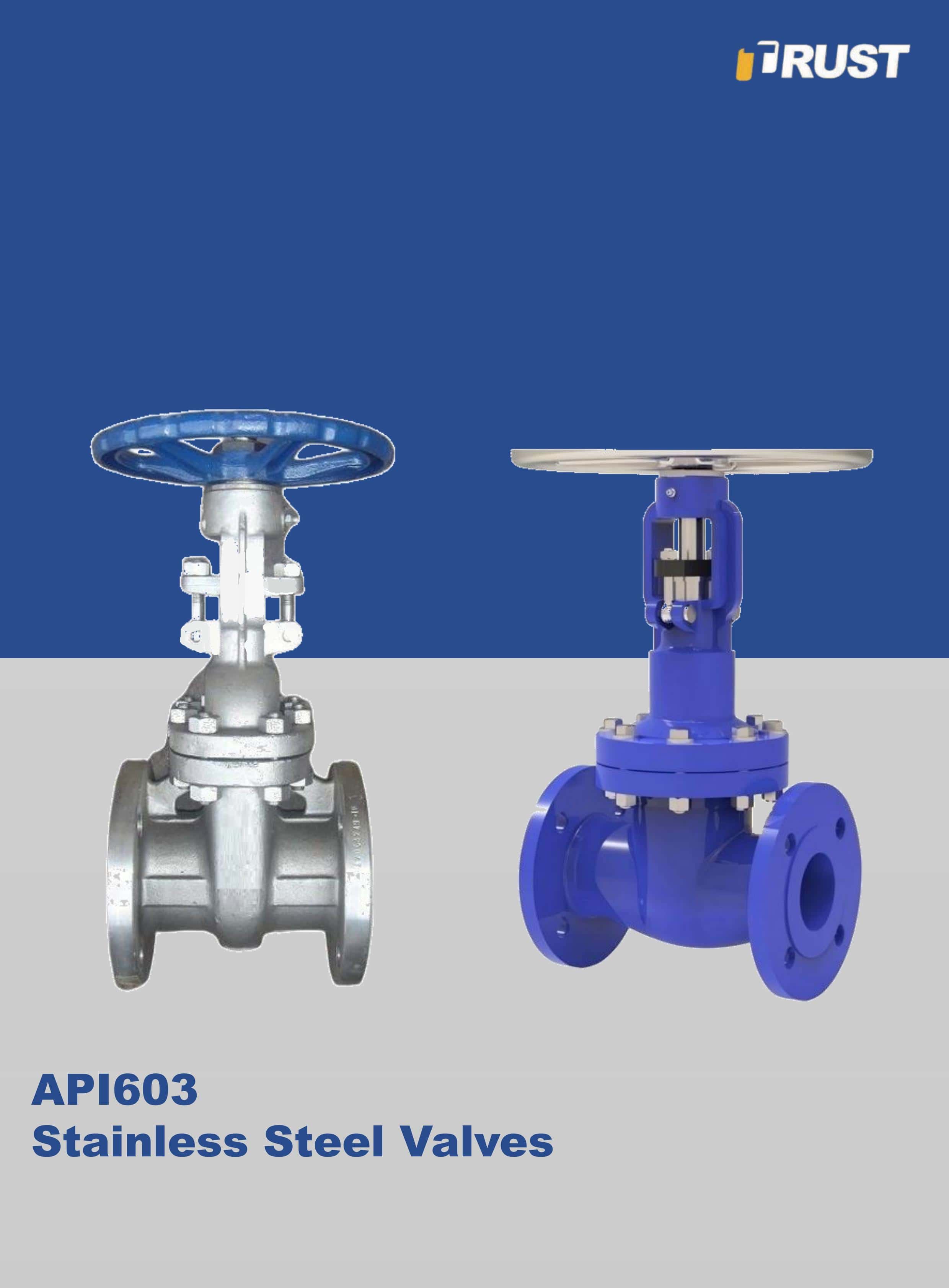 Cutsom Stainless-Steel Valves Manufacturers, OEM/ODM Suppliers - Trust Valve (JiTrust Valve (Jiangsu) Co., Ltd. is top China custom Stainless-Steel Valves manufacturers and OEM/ODM suppliers,Corrosion-Resistant Excell...View Product →
Bottom Line: When Should You Upgrade?
Stainless steel intake and exhaust valves for the 4B11 are worth the investment if your engine spends sustained time above 6,500 rpm, if exhaust gas temperatures are consistently high, or if you are already modifying springs, retainers, cams, and turbo components. They are a durability upgrade, not a bolt-on horsepower part. On a mostly street car with stock turbo and a mild tune, the factory valves will likely outlast the engine, and the money is better spent on cooling or tuning.
If you do upgrade, treat the valve set as a complete system. Match valve weight to spring pressure, check every dimension, and invest in proper seat and guide machining. That gives you the real benefit of stainless steel: peace of mind at high rpm and repeatable performance over many hard miles.


 No.100 Xiejin Avenue, Funing County Economic Development Zone, Yancheng City, Jiangsu Province
  +86-515-87398111
  office@trustvalve.com