 English
 русский
 Français
 中文简体
中文简体 Português
 Español
 italiano
 عربى
عربى فارسی
فارسی

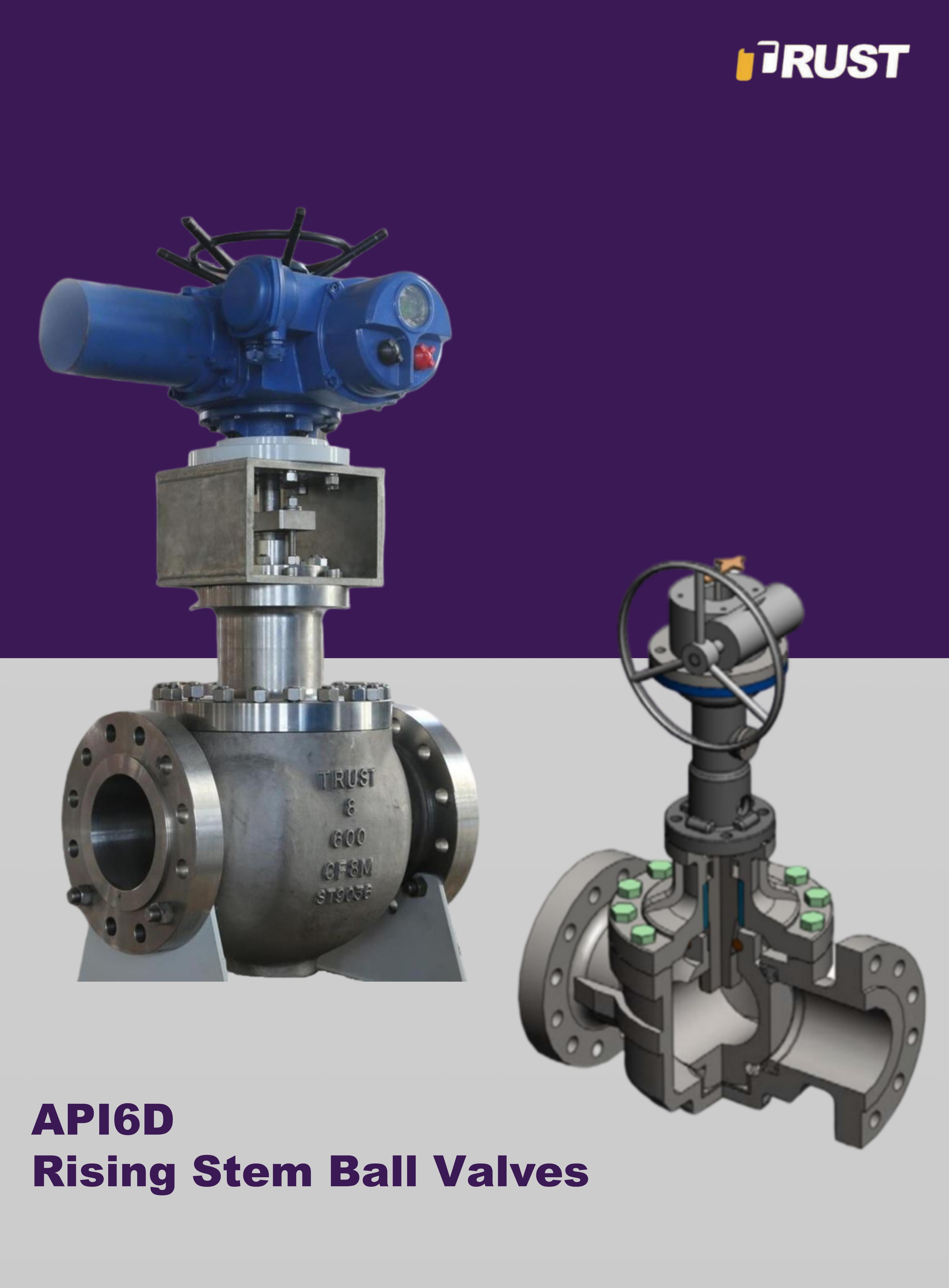
Performance of Rising Stem Ball Valves in Cryogenic Conditions
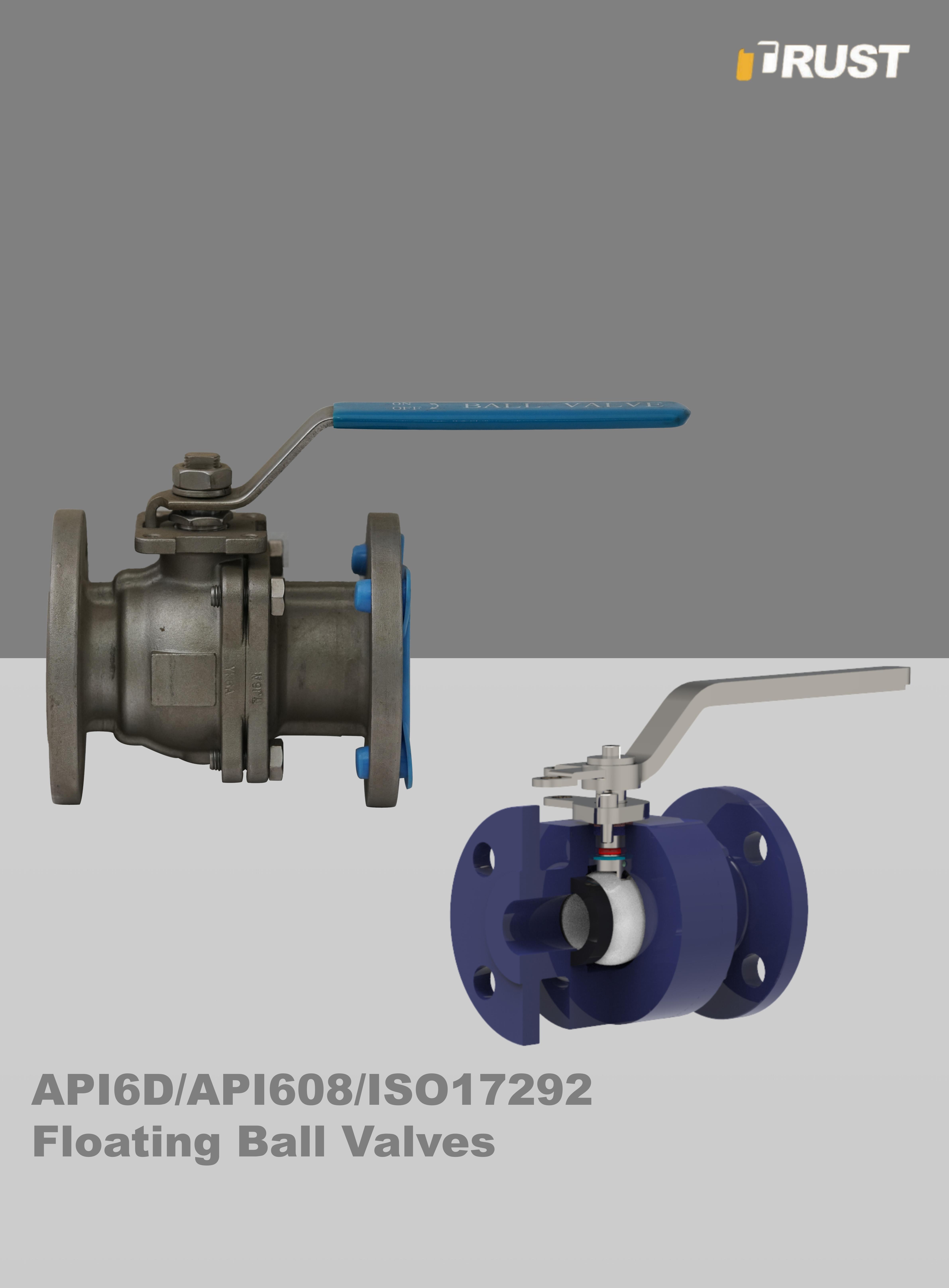
Rising Stem Ball Valves perform exceptionally well in cryogenic and extremely low-temperature applications when properly designed with suitable materials, extended bonnets, and specialized sealing systems. Their unique lifting and rotating mechanism minimizes seat wear, reduces friction, and ensures tight shut-off even at temperatures as low as -196°C (-320°F), making them highly reliable for liquefied gas systems such as LNG, liquid nitrogen, and oxygen.
However, their performance is highly dependent on engineering considerations such as material selection, thermal contraction management, and compliance with cryogenic standards. When these factors are addressed, Rising Stem Ball Valves offer superior durability, safety, and operational consistency in extreme environments.
Key Design Features Enabling Cryogenic Performance
Rising Stem Ball Valves incorporate several design elements that make them suitable for cryogenic service. Unlike conventional ball valves, their operation separates the sealing and rotation phases, which significantly reduces friction under extreme conditions.
Non-Contact Seat Operation
The lifting stem mechanism ensures that the ball disengages from the seat before rotation begins. This prevents damage to soft sealing materials, which can become brittle at low temperatures.
Extended Bonnet Design
Cryogenic Rising Stem Ball Valves typically feature extended bonnets that isolate the stem packing from extremely low temperatures. This helps maintain sealing integrity and prevents leakage caused by thermal contraction.
- Protects packing materials from freezing
- Maintains stem flexibility and operability
- Improves overall safety
Material Selection for Low-Temperature Reliability
Material selection is critical for the performance of Rising Stem Ball Valves in cryogenic environments. Metals and sealing components must retain toughness and flexibility at extremely low temperatures.
| Component | Recommended Material | Reason |
|---|---|---|
| Valve Body | Stainless Steel (e.g., ASTM A351 CF8M) | High toughness at low temperatures |
| Seats | PTFE or PCTFE | Low-temperature sealing capability |
| Stem | Nickel-based alloys | Prevents brittleness |
Using improper materials can lead to catastrophic failure due to embrittlement, making correct selection non-negotiable.
Sealing Performance at Extremely Low Temperatures
Sealing performance is one of the most critical factors in cryogenic applications. Rising Stem Ball Valves excel due to their controlled sealing action and reduced wear characteristics.
- Bubble-tight shut-off is achievable even under thermal cycling conditions
- Reduced friction prevents deformation of soft seats
- Spring-loaded seats compensate for thermal contraction
In LNG systems, for example, leakage rates must often meet stringent standards such as ISO 15848 or API 6D, and Rising Stem Ball Valves are capable of meeting these requirements when properly engineered.
Thermal Contraction and Structural Integrity
One of the biggest challenges in cryogenic environments is thermal contraction. Materials shrink at different rates, which can compromise valve integrity if not properly managed.
Rising Stem Ball Valves are designed to accommodate these changes through:
- Flexible sealing elements that adapt to dimensional changes
- Precision machining tolerances
- Use of materials with similar thermal expansion coefficients
Failure to manage thermal contraction can result in leakage, stem seizure, or even structural cracking.
Typical Applications in Cryogenic Industries
Rising Stem Ball Valves are widely used in industries where extremely low temperatures are standard. Their reliability and sealing performance make them a preferred choice.
- Liquefied Natural Gas (LNG) processing and transport
- Industrial gas production (oxygen, nitrogen, argon)
- Cryogenic storage tanks
- Aerospace fueling systems
In LNG facilities, valves must operate reliably at -162°C, and Rising Stem Ball Valves consistently demonstrate long service life under such conditions.
Advantages Over Conventional Valve Designs
Compared to standard ball valves or gate valves, Rising Stem Ball Valves offer distinct advantages in cryogenic service:
- Lower operating torque due to reduced friction
- Extended service life with minimal seat wear
- Improved sealing reliability during thermal cycling
- Visual position indication for enhanced safety
These advantages make them particularly suitable for critical applications where failure is not an option.
Limitations and Engineering Considerations
Despite their strengths, Rising Stem Ball Valves require careful engineering for cryogenic use:
- Higher initial cost compared to standard valves
- Need for specialized materials and testing
- Larger installation space due to extended bonnet
However, these factors are often offset by reduced maintenance costs and longer operational life, especially in high-value cryogenic systems.
Final Assessment
Rising Stem Ball Valves are highly effective and reliable solutions for cryogenic and extremely low-temperature applications when properly designed and specified. Their ability to maintain tight sealing, resist wear, and handle thermal stresses makes them a top choice in industries such as LNG and industrial gas processing.
For users seeking long-term reliability, safety, and performance under extreme conditions, investing in well-engineered Rising Stem Ball Valves is a technically sound decision.
 No.100 Xiejin Avenue, Funing County Economic Development Zone, Yancheng City, Jiangsu Province
  +86-515-87398111
  office@trustvalve.com