 English
 русский
 Français
 中文简体
中文简体 Português
 Español
 italiano
 عربى
عربى فارسی
فارسی

In LNG (Liquefied Natural Gas) systems, the primary difference between cryogenic valves with extended bonnet design and those without lies in thermal isolation and stem protection. The extended bonnet structure significantly reduces heat transfer from the cryogenic fluid to the actuator and stem sealing components, ensuring more stable sealing performance and longer service life.
In practical LNG operations, extended bonnet cryogenic valves demonstrate 30%–60% lower stem seal failure rates compared to non-extended designs, especially in continuous low-temperature service below -162°C. This makes them the preferred choice for critical systems, including LNG storage tanks, loading terminals, and pipelines.
Structural Design Differences Between Extended Bonnet and Standard Cryogenic Valves
The extended bonnet in cryogenic valves is essentially a vertical extension between the valve body and actuator. This design creates a thermal barrier that keeps the packing area above the cryogenic zone.
Extended Bonnet Configuration
In extended bonnet designs, the stem is elongated, increasing the distance between the cold medium and sealing system by approximately 150–300 mm. This reduces frost formation and ensures smoother operation.
Non-Extended Bonnet Configuration
Standard cryogenic valves without extended bonnet expose the stem packing directly to lower temperatures, increasing the risk of embrittlement and leakage. These designs are typically used in less critical or short-duration cryogenic applications.
Thermal Performance and Insulation Efficiency in LNG Systems
One of the most critical performance factors in LNG systems is thermal insulation. Extended bonnet valves reduce heat conduction significantly, minimizing the risk of ice formation and thermal stress.
- Extended bonnet valves reduce stem temperature exposure by up to 70%.
- Non-extended designs may experience condensation and freezing near actuator zones.
- Thermal cycling resistance is significantly higher in extended bonnet configurations.
This difference becomes especially important in systems incorporating a cryogenic pressure relief valve, where precise temperature stability is required to ensure accurate pressure release behavior.
Sealing Performance and Leakage Risk Comparison
Sealing integrity is one of the most important safety considerations in LNG applications. Extended bonnet valves offer improved sealing reliability due to reduced thermal stress on packing materials.
| Feature | Extended Bonnet Valve | Standard Valve |
|---|---|---|
| Leakage Risk | Low | Moderate to High |
| Packing Life | 5–10 years | 2–5 years |
| Thermal Stress Impact | Minimal | High |
Role of Cryogenic Pressure Relief Valve Integration in LNG Systems
In LNG facilities, the cryogenic pressure relief valve plays a critical role in maintaining system safety by preventing overpressure conditions. When used alongside cryogenic isolation valves, design compatibility becomes essential.
Extended bonnet valves ensure that upstream and downstream pressure control components operate under stable thermal conditions. This reduces the likelihood of false triggering or delayed response in pressure relief systems.
- Improved coordination between isolation and relief systems.
- Reduced risk of cryogenic embrittlement near actuator interfaces.
- Enhanced system reliability during rapid pressure fluctuations.
Operational Efficiency and Maintenance Considerations
Maintenance requirements differ significantly between the two valve designs. Extended bonnet cryogenic valves reduce the frequency of maintenance interventions due to lower wear on sealing components.
- Extended bonnet valves require less frequent stem packing replacement.
- Non-extended valves often need periodic lubrication due to frost accumulation.
- Inspection intervals for extended bonnet systems can be extended by up to 40%.
In LNG terminals operating continuously, this translates into significant reductions in downtime and maintenance costs.
Selection Guidelines for LNG Engineers and Users
When selecting between extended bonnet and standard cryogenic valves, engineers must evaluate system temperature range, operation frequency, and safety requirements.
- Use extended bonnet valves for continuous LNG storage and transfer systems.
- Choose standard designs for intermittent or auxiliary cryogenic processes.
- Consider integration with cryogenic pressure relief valve systems for safety-critical applications.
Proper selection ensures both operational efficiency and long-term system integrity in demanding LNG environments.
While non-extended bonnet cryogenic valves may offer lower initial cost, extended bonnet designs deliver superior lifecycle value through improved safety, reduced maintenance, and enhanced sealing performance.
In modern LNG infrastructure, where reliability and safety are paramount, extended bonnet cryogenic valves have become the industry standard for critical applications.
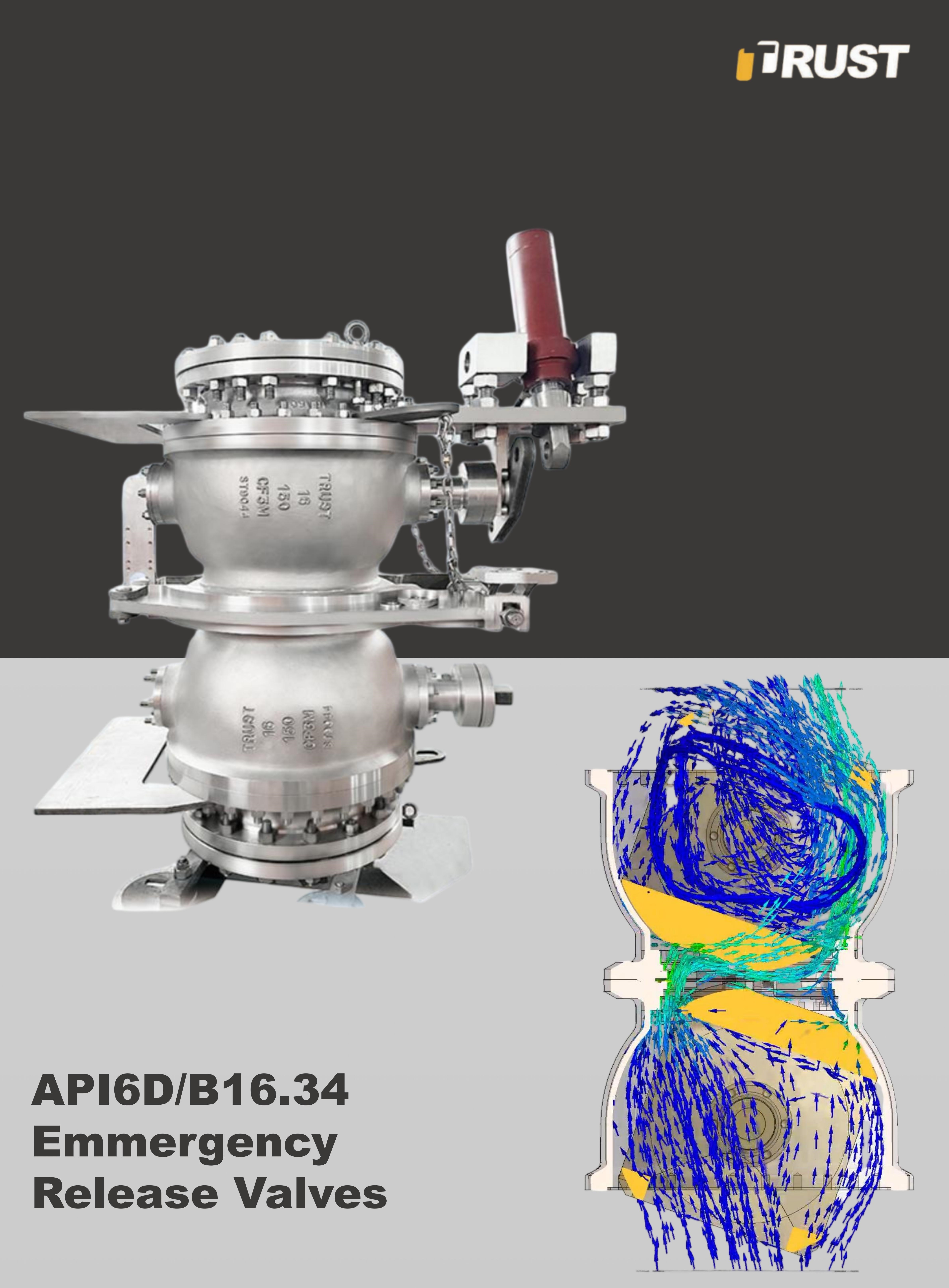
cryogenicvalves.jpg "Cryogenic Valves")

 No.100 Xiejin Avenue, Funing County Economic Development Zone, Yancheng City, Jiangsu Province
  +86-515-87398111
  office@trustvalve.com