 English
 русский
 Français
 中文简体
中文简体 Português
 Español
 italiano
 عربى
عربى فارسی
فارسی

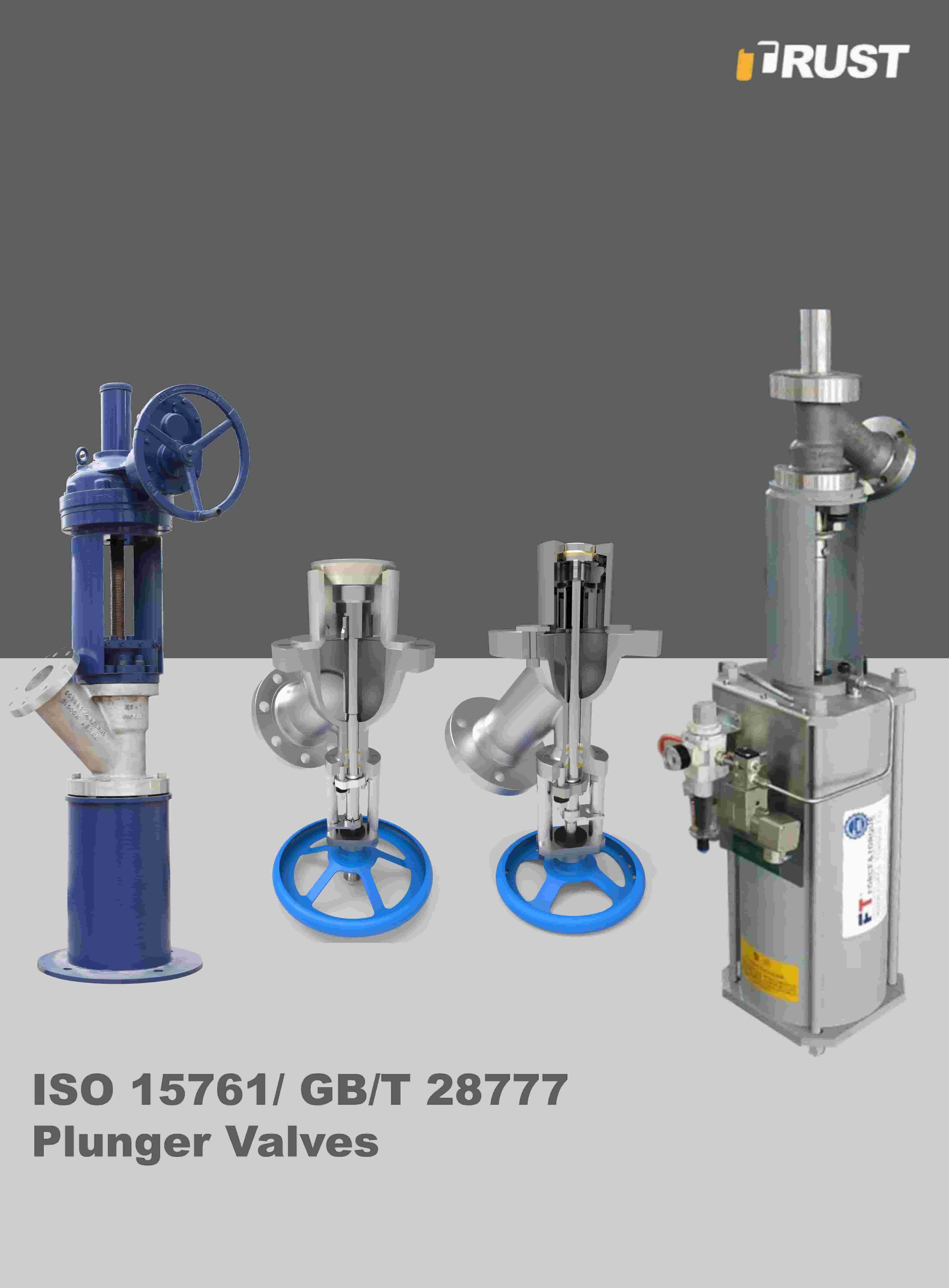
Plunger valves perform reliably under high-pressure conditions, maintaining consistent flow control, minimal leakage, and robust sealing. In industrial-grade configurations, Plunger valves can handle pressures exceeding 6000 psi (414 bar). When compared to other valve types such as ball valves or axial flow valves, Plunger valves excel in precision applications where gradual opening and closing are required.
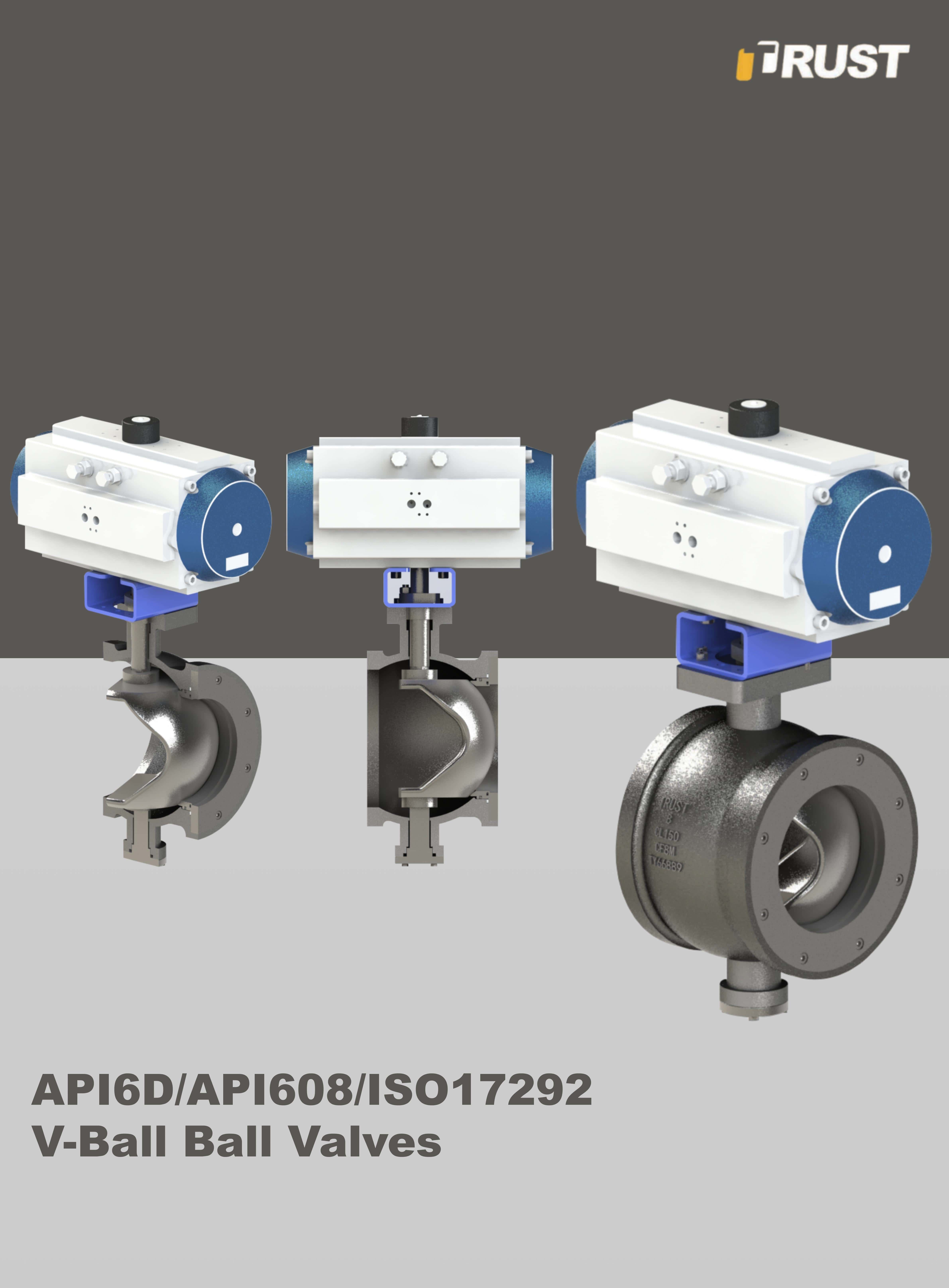
Unlike ball valves, which provide quick shutoff but may generate turbulence at high pressures, or axial flow valves, which optimize flow with minimal pressure drop, Plunger valves offer a balance between tight sealing and controlled flow. This makes them especially valuable in hydraulic systems, high-pressure gas pipelines, and chemical processing plants.
Structural Design for High Pressure
The unique design of Plunger valves allows them to operate efficiently under high differential pressures. A cylindrical plunger moves linearly within a precisely machined chamber, providing tight shutoff and gradual flow regulation. Key design features that enhance high-pressure performance include:
- Hardened stainless steel plungers for mechanical strength and corrosion resistance
- High-performance elastomer or PTFE seals that ensure minimal leakage
- Reinforced valve bodies designed to withstand repeated pressure cycling
- Smooth plunger motion reduces wear and prevents sudden pressure spikes
While ball valves rely on a rotating spherical closure and axial flow valves optimize linear flow paths, Plunger valves provide precise regulation without compromising high-pressure integrity. This makes them ideal for processes where controlled start and stop operations are critical.
Material Considerations for High-Pressure Use
Material selection is critical for valves operating in high-pressure environments. Choosing the wrong material can compromise performance or reduce lifespan. Common materials for Plunger valves include:
- 316 Stainless steel – suitable for high-pressure liquids and chemical resistance
- Hastelloy – ideal for corrosive fluids and pressures exceeding 5000 psi
- PTFE or reinforced elastomers – for tight sealing and high-temperature applications
Ball valves also rely on stainless steel or carbon steel, but their sealing relies on soft or metal seats, which may deform under extreme pressure. Axial flow valves often use corrosion-resistant alloys for high-flow applications, but may not provide as tight a seal as Plunger valves under pressure. Selecting the proper material ensures durability, leak prevention, and long-term reliability.
Pressure Ratings and Specifications
Different valve types are rated for different pressure and temperature ranges. Plunger valves are engineered for high-pressure environments with tight tolerances, while ball valves and axial flow valves may prioritize rapid operation or minimal pressure drop. The following table summarizes typical high-pressure ratings:
| Valve Type | Max Pressure (psi) | Max Temperature (°C) | Common Material |
|---|---|---|---|
| Plunger Valve | 6000 | 200 | 316 Stainless Steel |
| Ball Valve | 5000 | 180 | Carbon Steel / Stainless Steel |
| Axial Flow Valve | 5500 | 220 | Alloy Steel / Hastelloy |
Maintenance Practices for High-Pressure Operation
High-pressure operation requires rigorous maintenance for all valve types. Plunger valves, ball valves, and axial flow valves have unique needs but share common practices:
- Inspect plunger, ball, or disc surfaces for wear or scoring under high pressure.
- Replace seals, gaskets, and seats at manufacturer-specified intervals to ensure leak-free operation.
- Lubricate moving components using compatible high-pressure lubricants.
- Perform pressure tests after maintenance to confirm reliable operation.
- Monitor response times in automated systems for signs of valve performance degradation.
Proper maintenance extends valve life and reduces downtime, ensuring that Plunger valves maintain their high-pressure advantages while ball valves and axial flow valves continue to operate effectively.
Practical Applications in High-Pressure Systems
Plunger valves, ball valves, and axial flow valves are used in industrial systems where high-pressure control is critical. Typical applications include:
- Hydraulic power units exceeding 5000 psi, where Plunger valves allow precise flow regulation.
- Chemical processing with corrosive fluids, using Hastelloy Plunger valves or axial flow valves for corrosion resistance.
- High-pressure gas distribution, where ball valves provide rapid shutoff and Plunger valves offer controlled flow.
- Oil and gas extraction, using axial flow valves for optimized flow while Plunger valves ensure tight sealing in critical sections.
By selecting the appropriate valve type for each section of a system, operators achieve a combination of efficiency, control, and durability. Plunger valves stand out in applications requiring precision and high-pressure reliability, whereas ball valves excel in rapid shutoff, and axial flow valves reduce pressure loss in high-flow applications.

 No.100 Xiejin Avenue, Funing County Economic Development Zone, Yancheng City, Jiangsu Province
  +86-515-87398111
  office@trustvalve.com