 English
 русский
 Français
 中文简体
中文简体 Português
 Español
 italiano
 عربى
عربى فارسی
فارسی

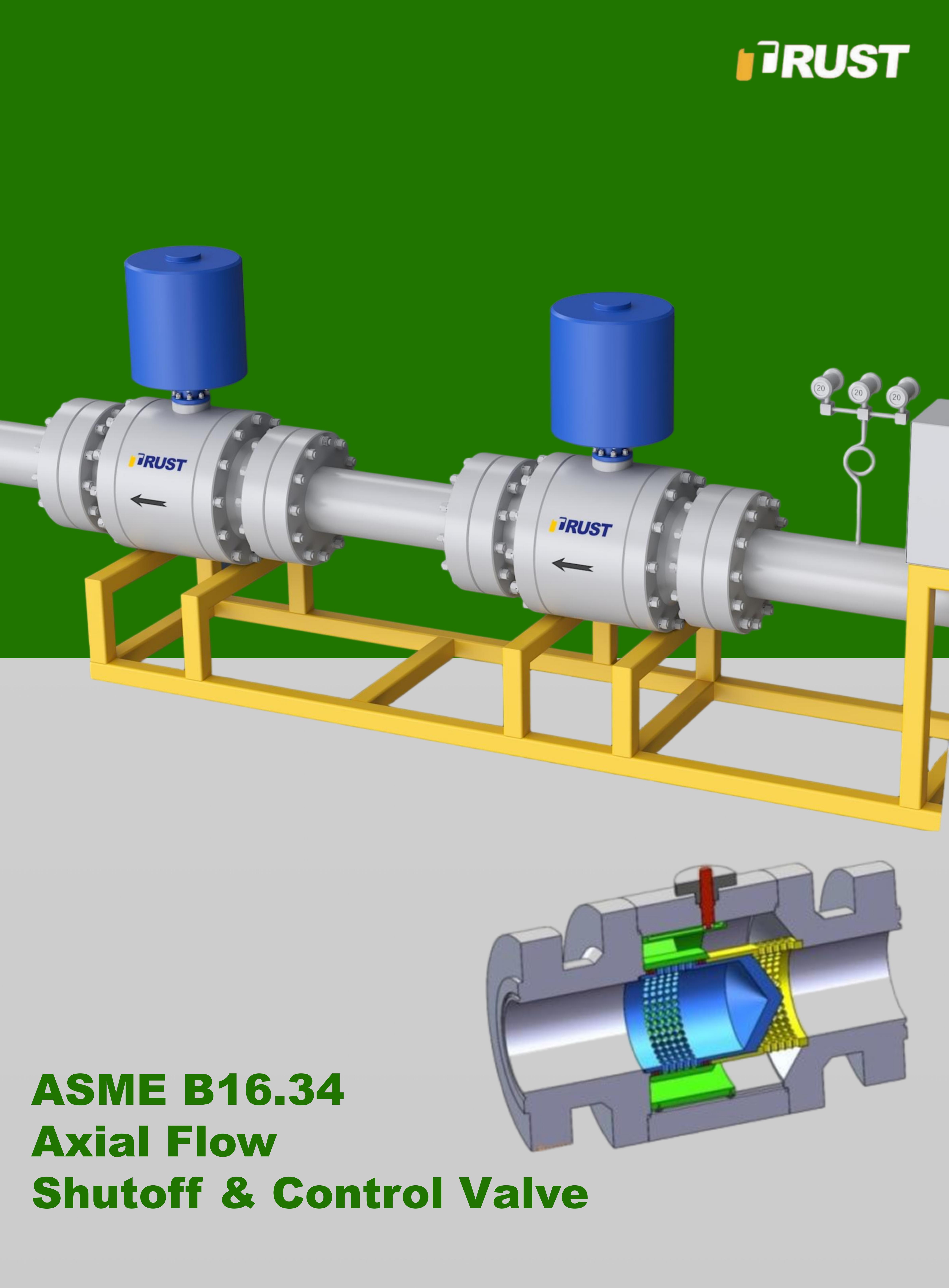
The axial flow valve is generally more suitable than a butterfly valve in demanding industrial applications. While butterfly valves are widely used and cost-effective, their design introduces critical vulnerabilities when exposed to thick, particle-laden, or high-viscosity fluids. Axial flow valves, by contrast, are engineered to minimize flow obstruction and internal turbulence — two factors that are decisive in slurry and viscous service.
Understanding the Core Design Differences
The fundamental difference between these two valve types lies in their internal geometry and how media flows through them.
A butterfly valve uses a rotating disc positioned in the center of the flow path. Even in the fully open position, this disc remains in the flow stream, creating a permanent obstruction. For slurry media, this disc becomes a collection point for solids, leading to buildup, increased wear, and eventual sealing failure.
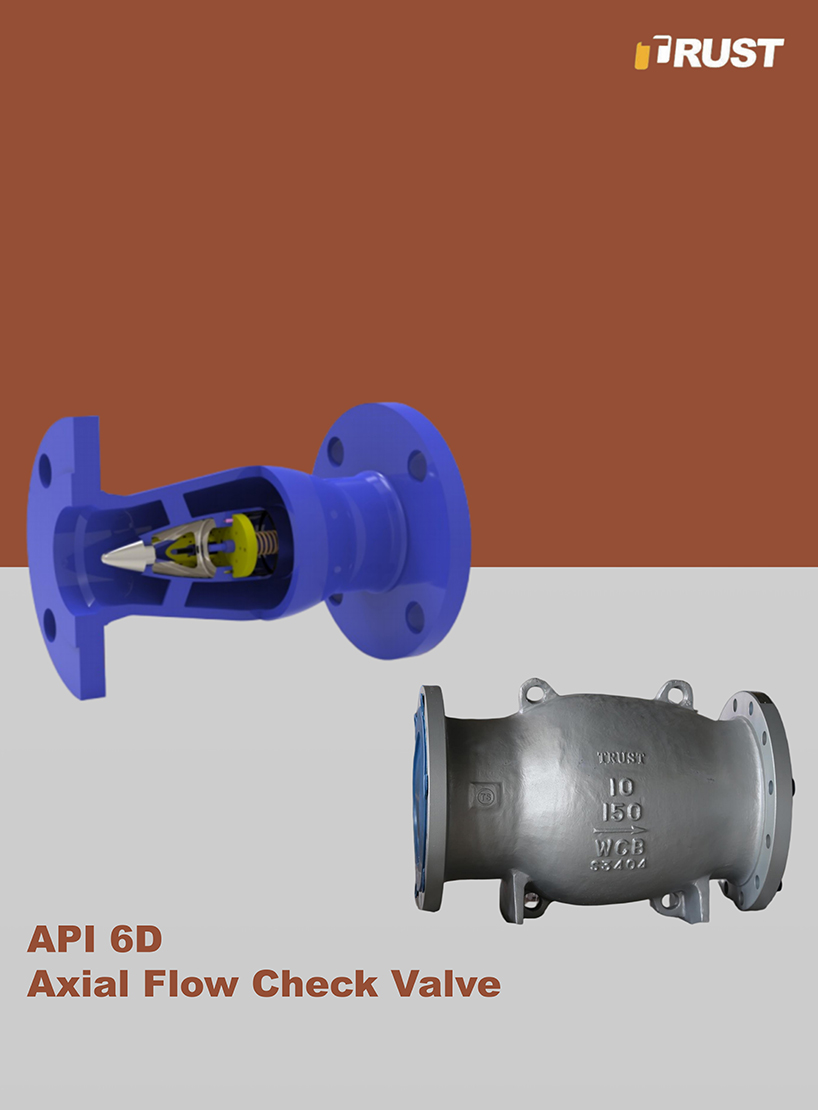
An axial flow valve operates with a streamlined, coaxial design — the closure element moves along the axis of the pipeline. When fully open, the internal bore is largely unobstructed, allowing media to flow in a straight, low-turbulence path. This design is inherently more compatible with heterogeneous or viscous fluids.
Performance Comparison in Slurry and Viscous Media
The table below summarizes the key performance differences between axial flow valves and butterfly valves when handling slurry or viscous media:
| Parameter | Axial Flow Valve | Butterfly Valve |
|---|---|---|
| Flow obstruction (fully open) | Minimal | Disc always in flow path |
| Pressure drop | Low (Cv up to 20–30% higher) | Moderate to high |
| Solid particle handling | Excellent | Poor — disc traps solids |
| Sealing integrity with viscous media | High | Reduced — seat fouling risk |
| Wear rate on internals | Low | High — disc and seat erosion |
| Maintenance frequency | Lower | Higher in abrasive service |
| Initial cost | Higher | Lower |
Why Butterfly Valves Struggle with Slurry Media
Butterfly valves are not inherently unsuitable for all challenging media — they perform well with clean liquids and gases. However, slurry and highly viscous fluids expose several structural weaknesses:
- Disc erosion: In slurry service with particle concentrations above 5–10% by weight, the exposed disc face experiences accelerated abrasive wear. In mining applications handling iron ore slurry, butterfly valve discs have been reported to require replacement within 6–12 months under continuous operation.
- Seat fouling: Viscous media such as crude oil, heavy fuel oil, or pulp slurry tend to accumulate around the seat ring, degrading the seal integrity over time and causing leakage rates to exceed acceptable limits.
- Torque spikes: Accumulated solids can cause the disc to bind, significantly increasing the actuation torque required. In automated systems, this can lead to actuator overload or valve failure to close fully.
- Turbulence-induced cavitation: At partial opening positions, the disc geometry generates high-velocity jets and turbulence, which in viscous media can cause cavitation damage to downstream piping and the valve body.
Key Advantages of the Axial Flow Valve in These Applications
The axial flow valve addresses each of these failure modes through its distinctive engineering:
Streamlined Flow Path
The coaxial design allows slurry to travel straight through the valve without being deflected around a disc or through a constricted annular gap. This dramatically reduces particle impingement on internal surfaces and lowers the overall pressure drop — typically 30–50% less pressure loss compared to a butterfly valve at equivalent flow rates.
Superior Sealing Under Fouling Conditions
Axial flow valves typically use a metallic or elastomeric sleeve/piston sealing mechanism that can maintain tight shut-off even when viscous residues are present. Unlike the butterfly valve's peripheral seat, the axial seal geometry is less susceptible to being compromised by particles or sticky deposits.
Reduced Actuator Force Requirements
Because the closure element moves linearly along the flow axis and is pressure-balanced in many designs, the axial flow valve requires significantly lower actuation force than a butterfly valve under high-differential-pressure slurry conditions. This translates to smaller, less expensive actuators and lower energy consumption in automated systems.
Extended Service Life
In field studies from the oil sands and mineral processing industries, axial flow valves handling abrasive slurries have demonstrated service intervals 2 to 4 times longer than equivalent butterfly valves before requiring maintenance or component replacement.
Typical Industries and Applications Where Axial Flow Valves Excel
Axial flow valves have established a strong track record across industries where slurry and viscous media are routine:
- Mining and mineral processing: Handling ore slurries, tailings, and concentrate pipelines with solid concentrations of 20–50% by weight.
- Oil and gas: Managing heavy crude oil, multiphase flow, and produced water with suspended solids.
- Pulp and paper: Controlling pulp slurry at consistencies up to 6%, where butterfly valves are prone to fiber buildup.
- Wastewater treatment: Regulating sludge lines and digester feed, where conventional valves experience frequent blockages.
- Chemical processing: Controlling polymer solutions, resins, and catalyst slurries that would foul butterfly valve seats rapidly.
When a Butterfly Valve May Still Be Acceptable
Despite the axial flow valve's advantages, there are scenarios where a butterfly valve remains a practical choice for moderately viscous or lightly loaded slurry service:
- Low-pressure, low-velocity slurry lines where erosion rates are manageable.
- Applications with solid concentrations below 2–3% by weight and non-abrasive particles.
- Budget-constrained projects with shorter expected service life or lower criticality.
- Large-diameter pipelines (DN 600 and above) where the cost differential between the two valve types becomes especially significant.
In these cases, a rubber-lined or PTFE-seated butterfly valve can offer adequate performance at a fraction of the cost of an axial flow valve.
Total Cost of Ownership: The Real Deciding Factor
While the initial purchase price of an axial flow valve can be 2 to 5 times higher than a comparable butterfly valve, the total cost of ownership (TCO) often favors the axial flow valve in severe slurry service. Consider the following cost drivers:
- Reduced maintenance labor costs — fewer unplanned shutdowns and valve replacements.
- Lower energy consumption — reduced pressure drop means less pumping energy required over the valve's life.
- Minimized production losses — longer mean time between failures (MTBF) reduces process downtime.
- Reduced actuator wear — lower torque demand extends actuator service life.
A lifecycle cost analysis over 10 years in a typical mining slurry pipeline has shown that the axial flow valve can deliver 15–35% lower total operating costs compared to a butterfly valve, despite the higher upfront investment.
For applications involving slurry or viscous media — particularly where particle concentration, abrasiveness, or fluid viscosity is significant — the axial flow valve is the technically superior choice over the butterfly valve. Its streamlined flow path, robust sealing, lower pressure drop, and extended service life address the exact failure mechanisms that make butterfly valves problematic in these services. While the butterfly valve retains value in low-severity or cost-sensitive applications, any operation prioritizing reliability, longevity, and process integrity in slurry or viscous service should give serious consideration to specifying an axial flow valve.

 No.100 Xiejin Avenue, Funing County Economic Development Zone, Yancheng City, Jiangsu Province
  +86-515-87398111
  office@trustvalve.com