 English
 русский
 Français
 中文简体
中文简体 Português
 Español
 italiano
 عربى
عربى فارسی
فارسی

Materials & Valve Selection
Monel Valves vs Stainless Steel: Where the Nickel-Copper Alloy Earns Its Premium
A field guide for engineers and buyers: where Monel 400 earns its premium over 316 stainless steel, where it wastes money, and how to verify what actually arrives at your gate.
Two line items arrive on the same requisition for a seawater cooling loop: a 6-inch gate valve specified in Monel 400, and an alternative quote in CF8M stainless steel at roughly a quarter of the price. Pressure ratings are identical and dimensions are identical, yet only the process chemistry knows which valve will still be sealing in its fifth summer.
The verdict up front: stainless steel valves in 316L or CF8M are the correct default for most industrial services. Monel 400 and K-500 earn their premium only where the medium defeats the passive film that protects stainless — hot chlorides and seawater, hydrofluoric acid, hot concentrated caustic, and oxygen service. Specify by chemistry rather than habit, and the choice usually makes itself.
The Short Answer Before the Detail
If you only need the conclusion, it fits in four lines. The sections behind it supply the reasoning, the numbers and the procurement traps.
- Default to 316L or CF8M stainless for ambient-temperature water, steam, hydrocarbons and most mildly corrosive chemical duty.
- Move to Monel 400 (UNS N04400) for seawater and brine, hydrofluoric acid, hot caustic, and any line where chloride stress corrosion cracking has already claimed stainless hardware.
- Use Monel K-500 (UNS N05500) where the same corrosion behavior is needed with roughly double the strength — stems, fasteners, shafts.
- Question every strongly oxidizing stream — nitric acid, ferric chloride, wet chlorine — because there Monel loses and stainless copes.
What You Are Actually Specifying
Monel is not a steel at all. Monel 400 is a nickel-copper alloy, roughly two-thirds nickel and one-third copper with small iron and manganese additions, while K-500 adds aluminum and titanium for age hardening. Stainless 316 pairs 16-18% chromium with 10-14% nickel and 2-3% molybdenum in an iron base; its cast equivalent CF8M is what most stainless valve bodies are poured from.
Composition drives mechanism, and this is the most useful fact in the comparison. Stainless resists corrosion through a passive chromium-oxide film that continuously repairs itself in oxidizing conditions; attack that film with hot chlorides or caustic and pitting or cracking follows. Monel has no film to lose — its resistance comes from the inherent nobility of a high-nickel single-phase alloy. That is why it thrives in reducing media where stainless struggles, and disappoints in strongly oxidizing media where stainless is comfortable.
Corrosion: Where the Gap Is Real, and Where It Is Not
Stainless failure modes are specific and well documented. In chloride-bearing water above about 60 °C, 316 becomes susceptible to chloride stress corrosion cracking — a mechanism behind a large share of unplanned valve replacements in coastal and offshore plants. It pits beneath gaskets and deposits where crevice chemistry turns acidic, and hot concentrated caustic brings the same cracking risk. None of this disqualifies 316 from general service; it simply marks the boundaries.
Monel 400 sits on the far side of that list: essentially immune to chloride stress corrosion cracking thanks to its high nickel content, proven over decades in seawater pumps and fasteners, and still the standard metallic choice for hydrofluoric acid in alkylation units, for hot caustic duty and for oxygen systems where particle-impact ignition resistance matters. Where stainless cracks, Monel usually keeps sealing. The reverse is equally true — nitric acid, ferric chloride and wet chlorine attack the copper in Monel readily, so a Monel valve in oxidizing service is money spent backwards.
The most expensive valve is the one you replace every eighteen months. Monel rarely wins on day one — it wins on the fifth year of uninterrupted runs.
Strength and Temperature: Closer Than the Price Suggests
In the annealed condition the two alloys are close in strength — both land near 500-550 MPa tensile — so the Monel premium is not buying pressure capability; it is buying corrosion behavior. The genuine strength story belongs to K-500, which after age hardening reaches roughly double that figure, which is why it appears as stems, bolts and shafts rather than bodies.
Temperature separates them differently. Austenitic 316L and Monel 400 both stay tough well below -100 °C with no ductile-to-brittle transition, so an LNG valve is not automatically a Monel valve; Monel 400 holds useful properties into the mid-500s °C, where 316 also serves comfortably. At both extremes the separator is chemistry: oxygen and HF duty favor Monel, while general cryogenic hydrocarbon service is handled well by certified stainless hardware:
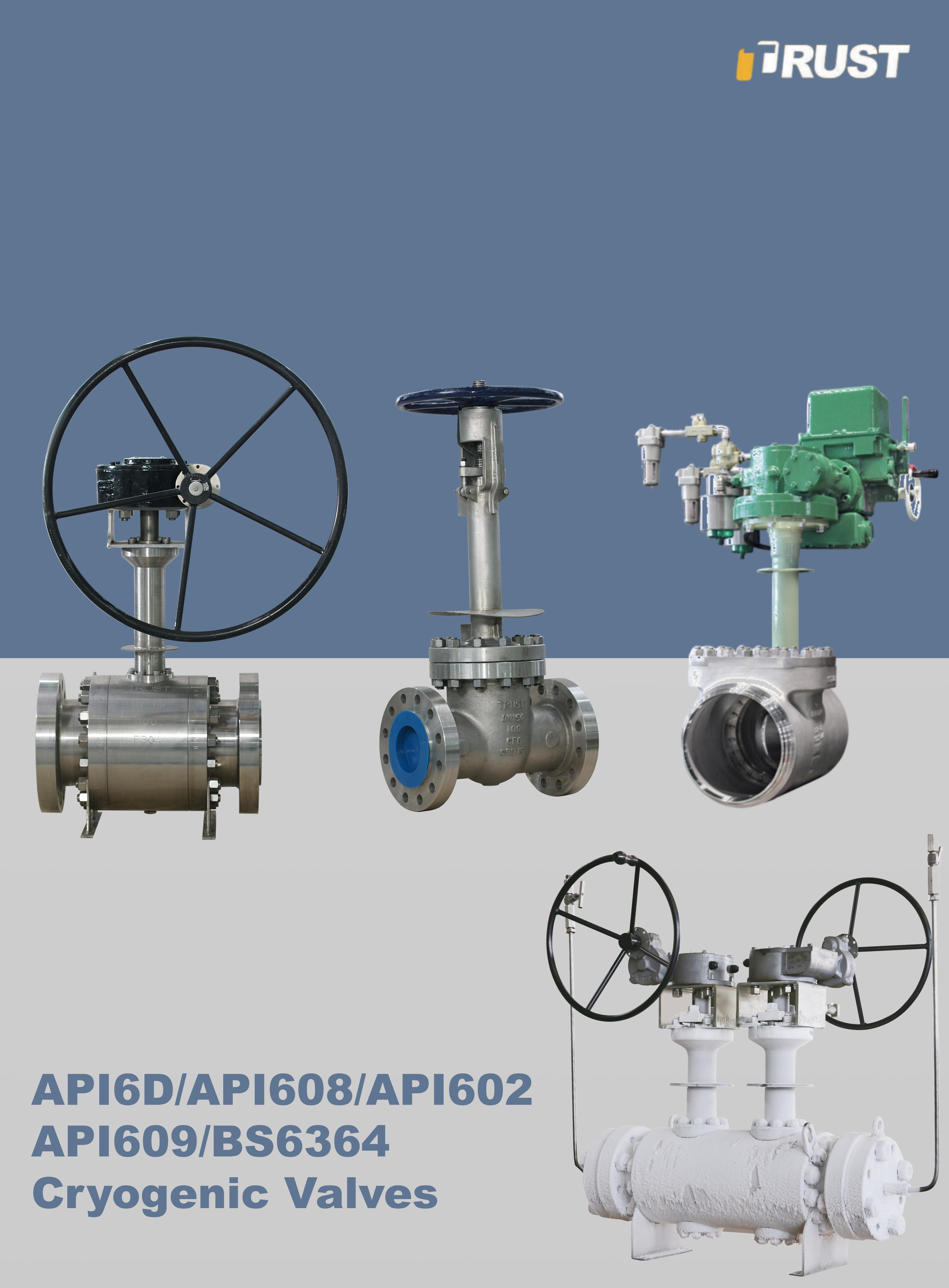 Cryogenic Valves for LNG and Low-Temperature ServiceEngineered for temperatures down to -269°C in LNG and industrial cryogenic service, these valves use cryogenic-grade materials such as 316L stainless steel, making them relevant where the surrounding text notes that certified stainless hardware handles general cryogenic hydrocarbon duty.View Product →
| Property | Monel 400 (N04400) | 316 / CF8M stainless |
|---|---|---|
| Nominal chemistry | About 66% Ni, 31% Cu | 16-18% Cr, 10-14% Ni, 2-3% Mo |
| Density | 8.8 g/cm³ | 8.0 g/cm³ |
| Tensile, annealed | About 480-580 MPa | About 485-515 MPa |
| Chloride SCC | Essentially immune | Susceptible above about 60 °C |
| Seawater, HF, hot caustic | Proven performer | Limited or failing |
| Oxidizing media | Readily attacked | Good |
| Relative alloy cost | 3 to 5 times 316 | Baseline |
Cost, Machining and the Procurement Trap
The honest number first: raw Monel typically costs three to five times 316, tracking the nickel market, and the gap carries into manufacturing. Monel work-hardens and machines more slowly, wears tooling faster, and nickel-alloy castings are harder to source, so Monel valves often add a longer lead time to the higher price.
That arithmetic only hurts when the alloy is wrong. If a 316 valve lasts its design life, every dollar of Monel premium was waste. If 316 fails in eighteen months and forces an unplanned shutdown, the Monel valve paid for itself the day it was installed. Lifecycle cost — replacement intervals, outage expense, product loss — is the correct comparator, and the process data sheet decides it.
Procurement risk concentrates in the paperwork. High-nickel alloys are valuable enough that substitution is a live hazard, so require EN 10204 3.1 certificates, match the UNS number line by line, and run positive material identification at receipt on Monel components. Ten minutes of verification is cheap insurance against a wrong-metal surprise in a correctly labeled crate.
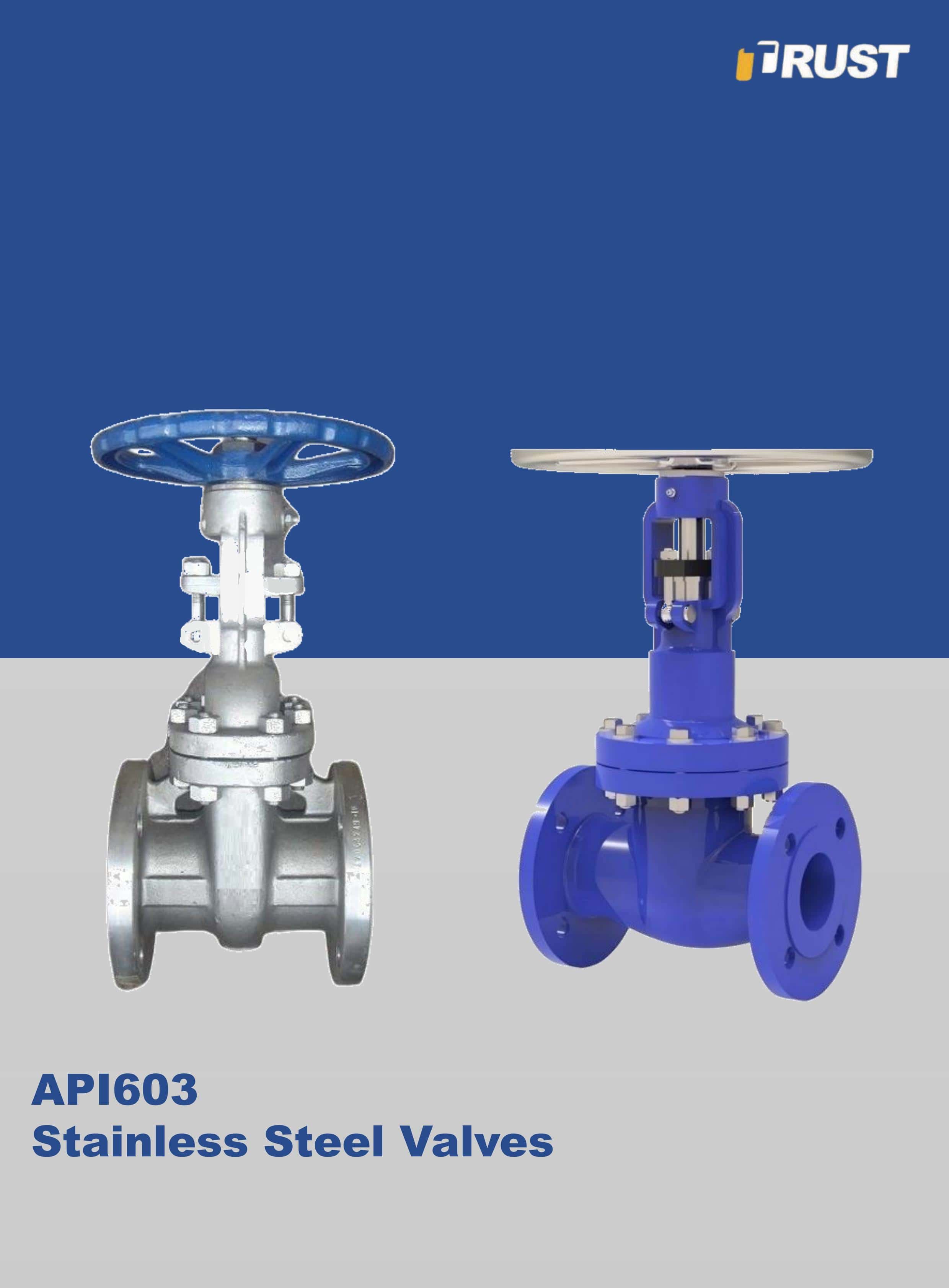 Stainless-Steel Valves in Austenitic 316 and 316LAustenitic stainless-steel valves built to API 603 with fire-safe testing serve as the baseline choice for corrosive duty, matching the article's point that verified 316/316L hardware, backed by proper material certificates, reliably handles general corrosive and cryogenic service.View Product →
A Service-by-Service Map
The map below translates the chemistry into environments where these decisions are actually made; the process data sheet and applicable codes always govern final selection.
| Service condition | Sensible default | Why |
|---|---|---|
| Fresh water, steam, ambient hydrocarbons | 316L / CF8M stainless | Lowest lifecycle cost |
| Seawater cooling, brine, salt spray | Monel 400 | Immune to chloride SCC |
| Hydrofluoric acid, HF alkylation | Monel 400 | Proven long-term HF history |
| Hot concentrated caustic | Monel 400 | Avoids caustic cracking |
| Nitric acid, ferric chloride | Stainless, not Monel | Oxidizers attack Monel |
| Oxygen service | Monel trim | Resists impact ignition |
| Cryogenic LNG duty | 316L stainless | Tough below -100 °C, economical |
For plants in chemical and petrochemical processing, HF, caustic and hot chloride streams are where the Monel conversation begins. Across oil and gas pipelines, wellheads and LNG terminals, the common pattern is stainless bodies managed against chloride excursions, with alloy trim added where erosion and corrosion arrive together.
When the medium corrodes and erodes at once — catalyst fines, sand-laden brine, coking slurries — body alloy alone is no longer the answer. Severe services are engineered by pairing the right material with hard-faced seating technology:
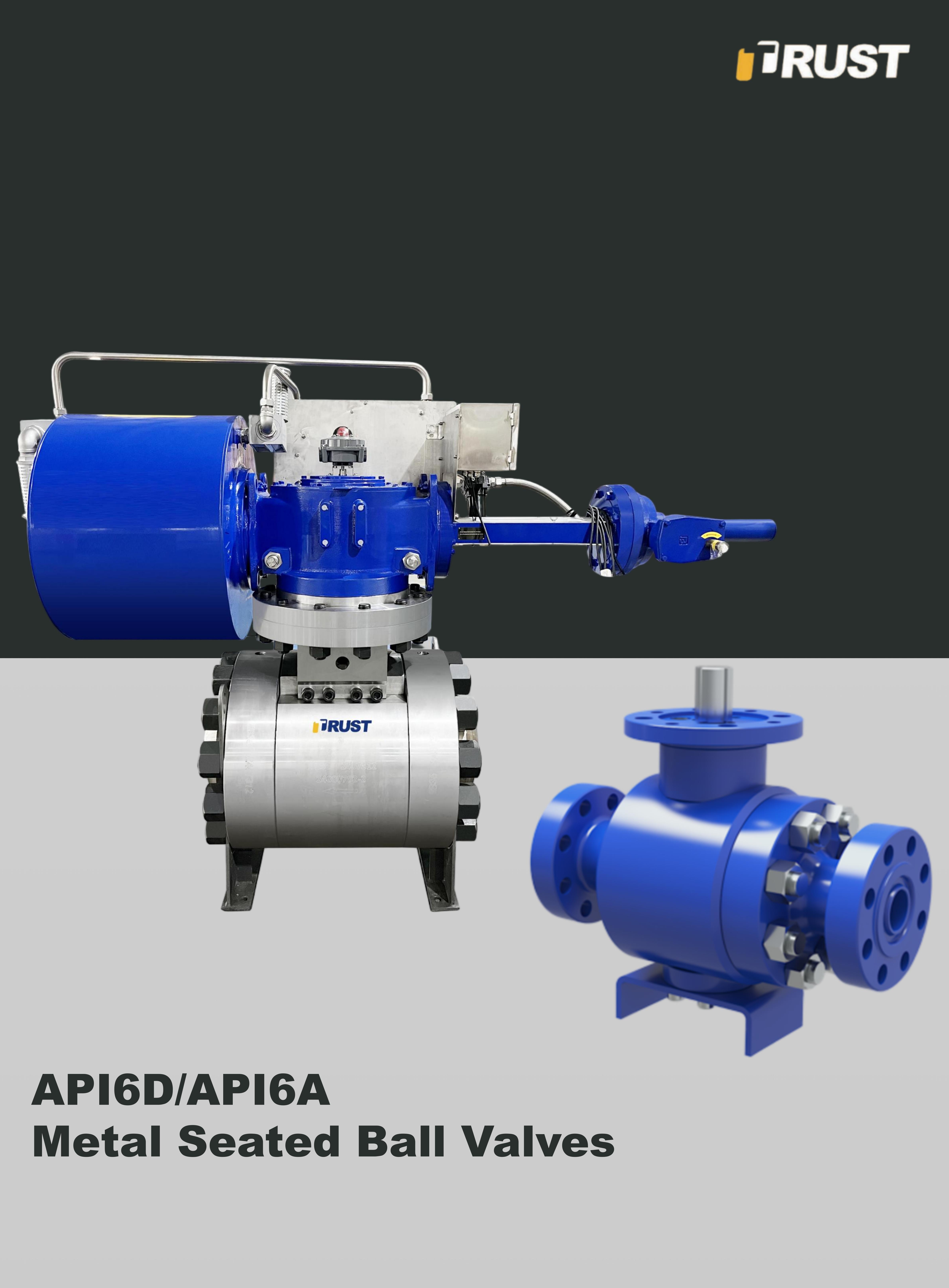 Metal Seated Ball Valves for Severe ServiceFor media that combine corrosion with erosion, such as catalyst fines and sand-laden slurries, these metal-seated ball valves pair high-alloy bodies with metal-to-metal sealing, escalating beyond standard stainless where the article recommends deliberate material upgrades.View Product →
Six Checks Before You Release the Purchase Order
- Write down the medium's actual chemistry — chlorides in ppm, pH, oxygen content, oxidizing species — not the stream's common name.
- Fix the full temperature envelope, including excursions and ambient cold, because both alloys change character with heat.
- Classify the stream as reducing or oxidizing; this one question eliminates roughly half of all wrong alloy selections.
- Decide body and trim separately. A stainless body with Monel or K-500 internals is often the best cost-to-performance compromise.
- Require EN 10204 3.1 certificates, verify the UNS number, and schedule PMI on receipt for high-nickel components.
- Cost the decision over its life — replacement intervals, outage expense, product loss — not over the invoice.
Where This Leaves You
Monel valves and stainless steel valves are less competitors than neighbors on a gradient of media aggressiveness. Start from stainless, escalate deliberately when chlorides, HF, caustic or oxygen enter the picture, and let certificates rather than trade names confirm what arrives at your gate.
As a manufacturer specializing in special-material valves for oil and gas, chemical and LNG service, we watch both alloys get specified well and badly in equal measure. The difference is rarely knowledge of the metals — it is discipline about the process data that surrounds them. Bring that data to the table, and the material choice usually becomes the easiest line item on the requisition.


 No.100 Xiejin Avenue, Funing County Economic Development Zone, Yancheng City, Jiangsu Province
  +86-515-87398111
  office@trustvalve.com