 English
 русский
 Français
 中文简体
中文简体 Português
 Español
 italiano
 عربى
عربى فارسی
فارسی

The maintenance engineer once specified standard carbon steel ball valves for a chloride-laden process water line because the fluid was described as only mildly aggressive. Within one year, pitting and crevice corrosion forced a full shutdown, and the replacement cost was nearly four times the initial price difference. That sequence repeats in industrial facilities every year because the decision to use stainless steel is often made too late.
Use stainless steel ball valves when the fluid attacks carbon steel, when process contamination must be avoided, or when a leak creates more safety, environmental, or downtime risk than the upfront material premium. The rest of this article explains the specific service conditions that justify stainless steel, the difference between 304 and 316, and how to specify a valve that will not cause trouble.
Why Stainless Steel Ball Valves Are Worth the Cost
Stainless steel ball valves provide three benefits that matter in process service: corrosion resistance, seal integrity, and temperature versatility.
Corrosion resistance comes from the chromium oxide layer that forms on the surface of the steel. This passive layer prevents rust and limits attack from many acids, alkalis, and industrial solvents. Austenitic grades such as 304 and 316 are the most common choices for valve bodies and trim, and both offer predictable performance across a wide temperature range.
Ball valves also give quick quarter-turn operation, low flow resistance, and dependable tight shutoff. When those features are combined with stainless steel wetted parts, the valve can outlast carbon steel alternatives by a wide margin in aggressive media. The higher first cost is usually recovered through fewer repairs, fewer leaks, and longer service intervals.
304 vs. 316: Which Stainless Steel Grade Should You Use?
The first decision is not simply "stainless steel or not" but which grade to choose. Both 304 and 316 are austenitic stainless steels, and both are available as wrought components or castings. The practical difference is molybdenum.
304 stainless steel has no molybdenum addition. It resists general corrosion and is suitable for clean water, agricultural fluids, food products, and mild chemical service. 316 stainless steel contains 2 to 3 percent molybdenum, which significantly improves resistance to chlorides, reducing pitting and crevice attack in marine and chemical environments.
| Consideration | 304 Stainless Steel | 316 Stainless Steel |
|---|---|---|
| Molybdenum content | None | 2 to 3% |
| Chloride resistance | Moderate; possible pitting in seawater | Good resistance in marine and brine service |
| Common valve casting grade | CF8 | CF8M |
| Typical media | Water, food, mild chemicals | Seawater, brines, acids, petrochemical fluids |
| Relative material cost | Lower | Higher |
For most industrial chemical and offshore services, 316 is the safer default. It handles a broad range of corrosive fluids and provides an extra margin when the exact stream chemistry is not fully known. In less demanding service, 304 can be a cost-effective option as long as the material specification is documented and the risk of chlorides is low.
Industrial Situations That Justify Stainless Steel Ball Valves
Stainless steel ball valves are not limited to one sector. They appear across the process industries whenever the media is corrosive, clean, or thermally challenging.
Chemical and Petrochemical Plants
Acids, caustic solutions, solvents, and recycle loops quickly expose the limits of carbon steel. A stainless steel ball valve protects the integrity of the line, offers reliable shutoff, and is straightforward to maintain. For most services of this kind, soft-seated floating ball valves with PTFE or PEEK seats provide a dependable seal at moderate pressure. To see where these valves fit in broader process applications, review chemical and petrochemical applications.
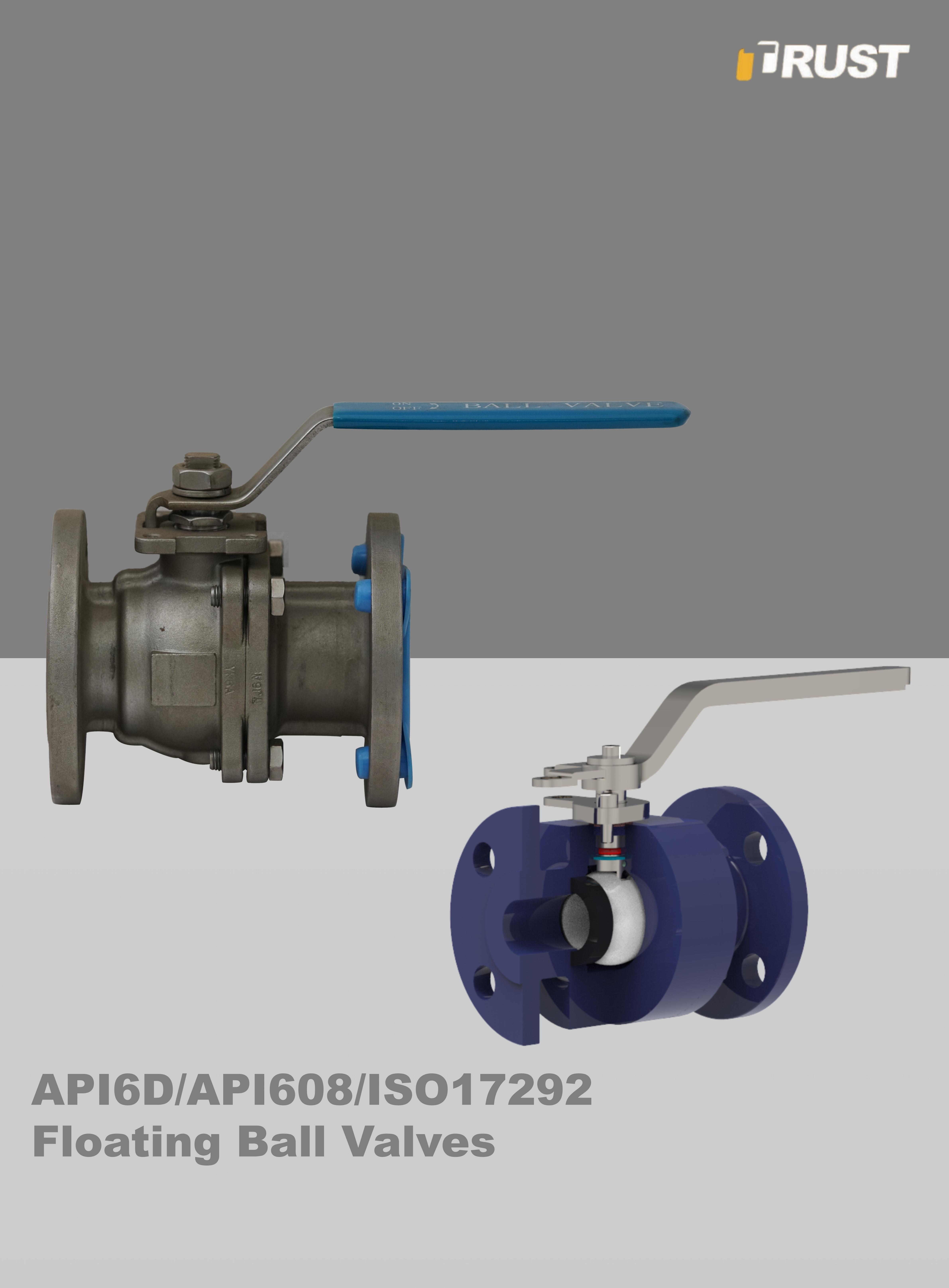 Cutsom Soft-Seated Floating Ball Valves Manufacturers, OEM/ODM Suppliers - TrustTrust Valve (Jiangsu) Co., Ltd. is top China custom Soft-Seated Floating Ball Valves manufacturers and OEM/ODM suppliers,Precision Contro...View Product →
Oil and Gas Production and Pipelines
Produced water, injection chemicals, wet gas, and occasional sour service create conditions that quickly attack standard carbon steel. Stainless steel ball valves are common in wellhead control lines, separation skids, and chemical injection packages. When pressure ratings and pipe sizes become too demanding for a floating ball design, a trunnion-mounted ball valve should be considered. The oil and gas service conditions page provides a useful overview of the typical operating environments that influence valve selection.
Food, Beverage, and Pharmaceutical Lines
Stainless steel does not contaminate the process with rust particles, and it withstands the caustic cleaning agents and hot steam used in clean-in-place and sterilize-in-place cycles. Ball valves in these applications are often full-bore to avoid product accumulation, and the smooth surfaces reduce bacterial growth and make cleaning more effective.
Marine and Desalination Systems
Seawater is unforgiving, especially in warm coastal regions. For brine, seawater cooling loops, and desalination processes, 316 stainless steel ball valves perform far better than 304 because the molybdenum content helps resist pitting. Even 316 can suffer crevice attack when the flow remains stagnant, which is why good draining, correct material certification, and a sensible maintenance schedule are all part of a reliable specification.
When Stainless Steel Is Not the Automatic Choice
Stainless steel is not always the best technical answer. For non-corrosive neutral water at ambient temperature, a brass, bronze, or cast iron ball valve may provide the same service life at a lower capital cost. Introducing stainless steel into those lines increases cost without a reliability benefit.
For temperatures above the useful range of PTFE and other polymer seats, a standard stainless steel ball valve with soft sealing will eventually fail. In those conditions, choose metal-seated ball valves for severe services. These designs tolerate higher temperatures, erosive media, steam, and fire-safety requirements that would destroy a soft-seated valve.
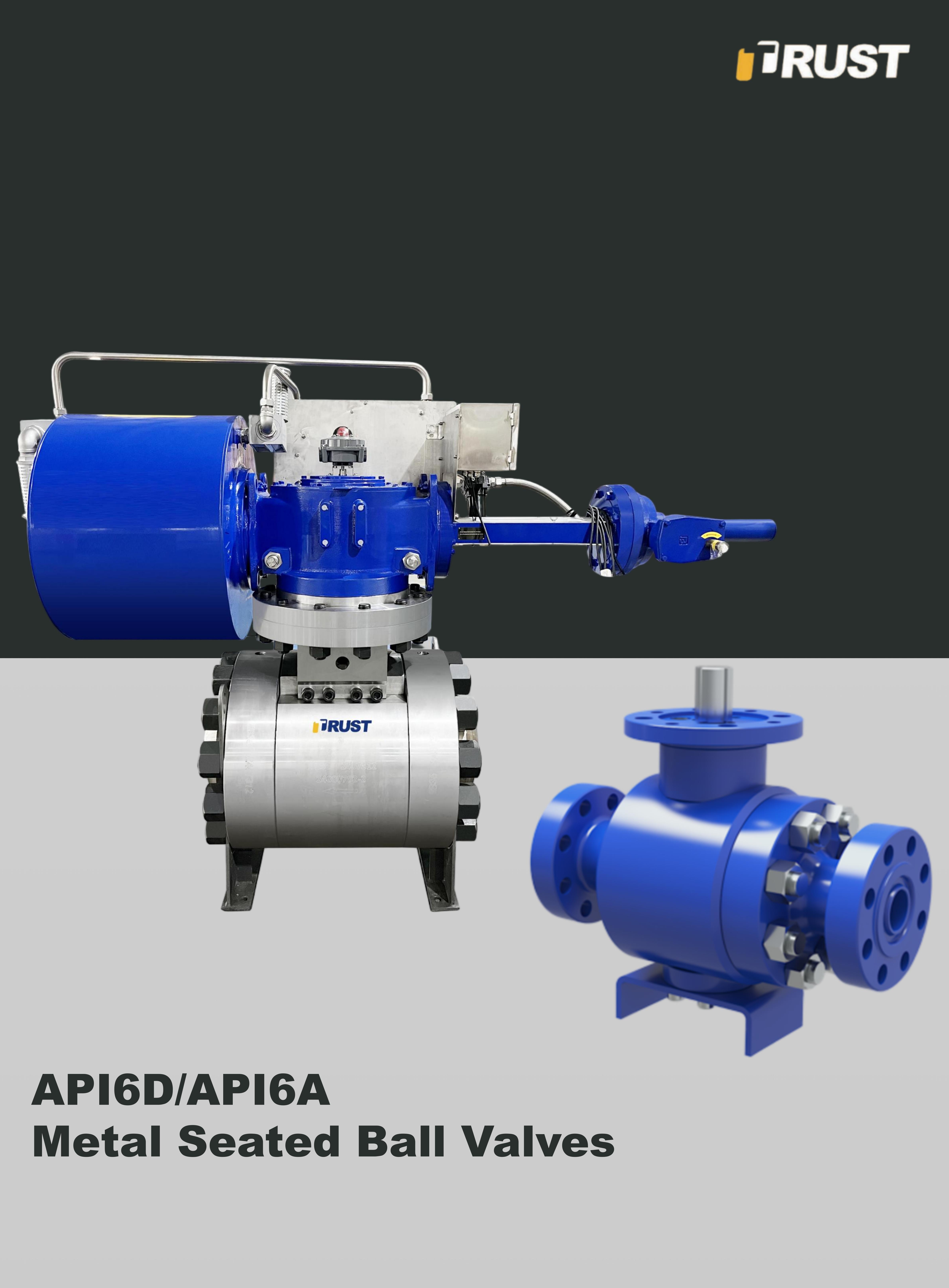 Industrial Metal Seated Ball Valves Manufacturers, SuppliersTrust Valve (Jiangsu) Co., Ltd. is China industrial metal seated floating ball valves manufacturers and OEM/ODM suppliers, we custom trun...View Product →
For very low temperature processes such as LNG transfer and cryogenic storage, ordinary packing and seal materials are not enough. Cryogenic valves with extended bonnets, verified materials, and specific low-temperature testing are the right choice instead of assuming a standard stainless steel ball valve will survive the cold service.
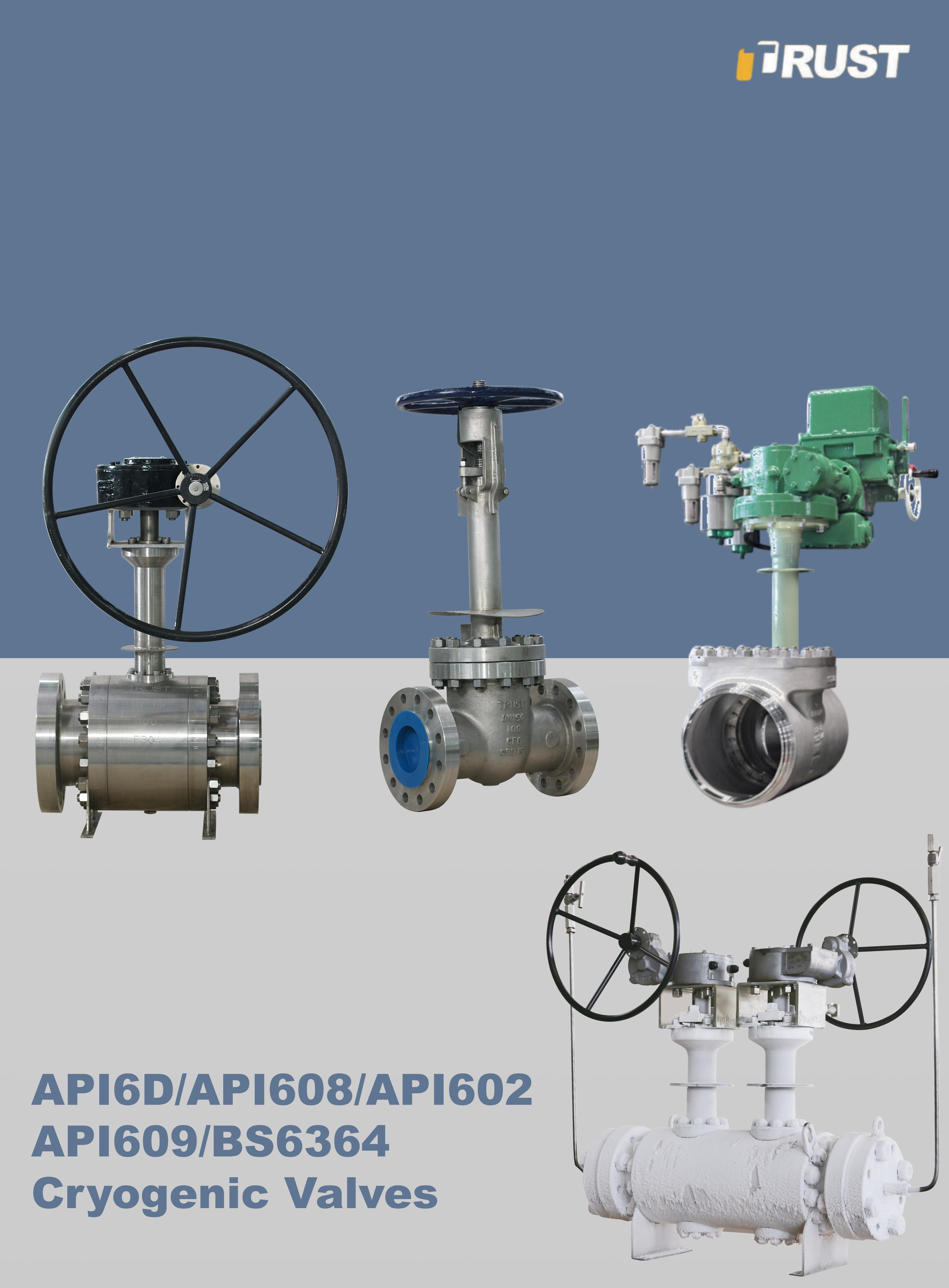 Industrial Cryogenic Valves Manufacturers, Cryogenic Valve SuppliersTrust Valve (Jiangsu) Co., Ltd. is China industrial cryogenic valves manufacturers and custom cryogenic valve suppliers, we offer OEM/ODM...View Product →
How to Specify a Stainless Steel Ball Valve Without Regret
A stainless steel ball valve is only a good decision if the materials, design, and testing match the actual service conditions. Use the following list as a sanity check before placing the order:
- Confirm the body, ball, and stem materials. For corrosive and chloride service, specify 316 stainless steel or CF8M castings. For lighter duty, 304 stainless steel or CF8 may be enough. Always request material certificates, and consider positive material identification for critical lines.
- Match the seat and seal materials to the temperature and the process fluid. PTFE seats work well in many chemical services but have a practical temperature limit. Above roughly 200 degrees Celsius, PEEK, metal seats, or special seal systems are required. The chemical compatibility of the seal material matters just as much as the valve body material.
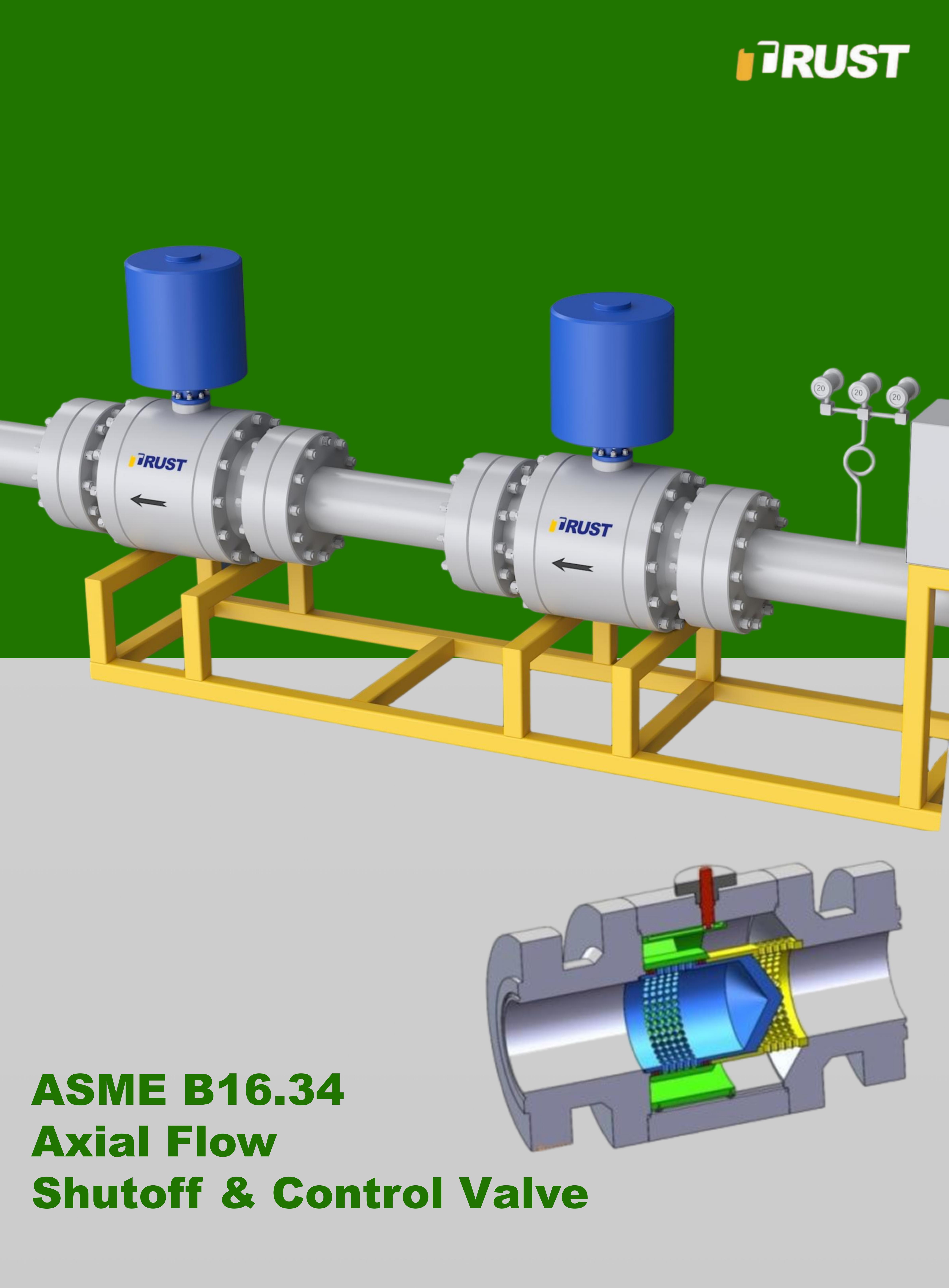
- Verify the pressure-temperature rating against the line conditions. ASME B16.34 and API 608 are common references for flanged and ball valve design. A stainless steel valve is not automatically suitable for high pressure just because it is made of stainless steel.
- Choose the correct valve type. A floating stainless steel ball valve is efficient for moderate pressures and smaller bore sizes. Trunnion-mounted ball valves handle higher pressures and larger bore sizes more reliably. If continuous throttling is required, use a valve with an engineered ball profile such as a V-ball or C-ball design rather than a standard isolation ball valve.
- Check end connections, face-to-face dimensions, and installation access on site. A technically correct valve still causes problems if it cannot be installed or maintained in the available space.
Do not assume that every quoted stainless steel ball valve includes the same testing. Ask about hydrostatic shell and seat tests, and for critical duties, request high-pressure gas testing or fugitive-emission testing. These extra checks can make the difference between a reliable installation and an unscheduled shutdown.
The Bottom Line
Stainless steel ball valves should be selected when carbon steel will corrode, when process purity is essential, or when valve leakage is too expensive to tolerate. Start by matching the grade to the fluid chemistry: choose 316 or CF8M for chloride service and marine environments, and consider 304 or CF8 for lighter duties. Then pair the correct body material with a seat design that matches the operating temperature and pressure. If a standard soft-seated stainless steel valve cannot provide the required reliability, do not force it into service; move up to a metal-seated or cryogenic design instead. The right stainless steel ball valve may cost more on the purchase order, but it will cost far less over the life of the plant.

 No.100 Xiejin Avenue, Funing County Economic Development Zone, Yancheng City, Jiangsu Province
  +86-515-87398111
  office@trustvalve.com