 English
 русский
 Français
 中文简体
中文简体 Português
 Español
 italiano
 عربى
عربى فارسی
فارسی

A stainless steel ball valve rarely fails because the ball stops turning. It fails at the seat after a run of thermal cycles, at the stem seal after a season of intermittent operation, or at the point where the specification quietly stopped matching the line conditions. Corrosion resistance comes from the alloy, but tightness, torque and service life come from the design, the seat compound and the way the valve is applied.
Here is the conclusion first, because it changes what you ask for in a quotation. Three measurable numbers decide most of the outcome: seat leakage class measured after temperature cycling, breakaway torque measured at the highest expected operating temperature rather than at ambient, and stem-seal leakage measured after a defined number of mechanical cycles. Flow coefficient and wall thickness are easy to confirm from a catalogue. The other three are where suppliers separate and where long-term cost accumulates.
What Performance Actually Measures on a Stainless Ball Valve
Qualification documents break performance into separately testable claims, and that structure is worth copying. A valve that passes a shell test at the factory is not automatically a valve that holds tight closure after six months in a hot hydrocarbon line: the shell test proves the body, while an ambient seat test says very little about a polymer seat at 150 °C.
| Performance claim | Typical reference | What it tells the buyer |
|---|---|---|
| Seat tightness, new valve | API 598 / ISO 5208 Rate A | No visible leakage at ambient; a starting point, not a service condition |
| Tightness after thermal cycling | Manufacturer protocol, ISO 5208 criteria | Whether the seat recovers its shape as the body expands and contracts |
| Fire safety | API 607 / ISO 10497 | That a destroyed soft seat still leaves a metal-to-metal backup seal |
| Fugitive emissions | ISO 15848-1 | Stem-seal leakage in ppm after a defined number of mechanical cycles |
| Pressure and temperature rating | ASME B16.34 | The derated working pressure at the real operating temperature |
| Operating torque | Manufacturer data, ISO 5211 interface | Whether actuator sizing and manual operation stay practical |
The pattern matters. Only the first row describes the valve as delivered; the rest describe the valve after heat, fire, cycling or time has acted on it. That gap is exactly where the shutoff, control and isolation roles of stainless ball valves have to be judged.
Where Stainless Steel Helps, and Where It Stops Helping
Most stainless ball valve bodies are cast CF8M, the cast equivalent of 316, with CF3M (316L) chosen where welding or chloride exposure makes the lower carbon content worthwhile. Duplex 2205 roughly doubles the yield strength of 316 and resists chloride stress corrosion cracking far better, which is why it appears in seawater and produced water service. For hydrogen and high-pressure stems, higher-alloy grades such as UNS S20910 hold their strength where standard austenitic stainless can embrittle.
Temperature derating is not intuitive
Allowable stress for 316 falls faster with temperature than it does for carbon steel grades in ASME B16.34. Above roughly 200 °C, a Class 300 stainless valve can sit closer to its limit than the class number suggests, so check the pressure and temperature table for the actual body material.
Chlorides and the 60 °C line
In chloride-bearing water, 316 becomes vulnerable to pitting above roughly 50 to 60 °C, and stagnant pockets make it worse: a closed cavity, an unflushed dead leg or moisture trapped under insulation is enough to start a pit that eventually reaches the seat bore.
Galling is a stainless problem
Stainless galls against stainless, so hardness has to be deliberately separated. Balls are normally hard-chromium plated or nitrided and stems are often produced from a harder grade, because a valve that turned freely at the factory and seizes after a year of infrequent use is usually a galling case.
Stainless is corrosion-resistant, not corrosion-proof. A 316 ball valve handles clean hydrocarbons and most treated process water well; it is not the right choice for hydrofluoric acid, hot concentrated caustic or warm stagnant chloride lines without a higher alloy.
Seat and Body Design Decide Day-to-Day Behaviour
Floating ball versus trunnion mounted
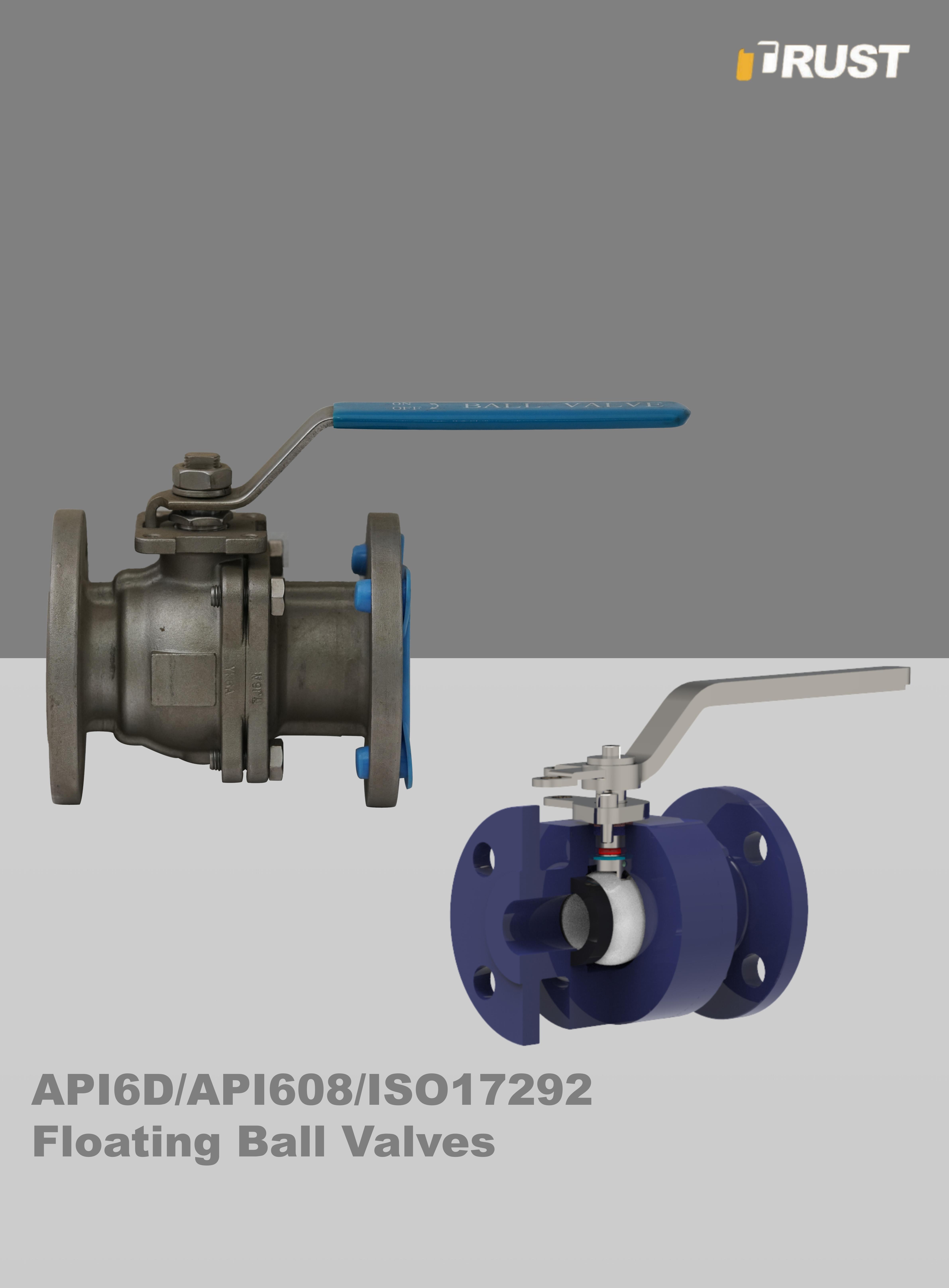
In a floating-ball design the line pressure pushes the ball into the downstream seat, so seat loading rises with pressure. That is efficient in small and medium sizes and progressively harder to control as bore and pressure class increase. Above roughly DN 150, or in the higher pressure classes, trunnion-mounted designs take over: the ball is carried on bearings and seat loading is set by springs and pressure, which keeps operating torque predictable.
Soft seats versus metal seats
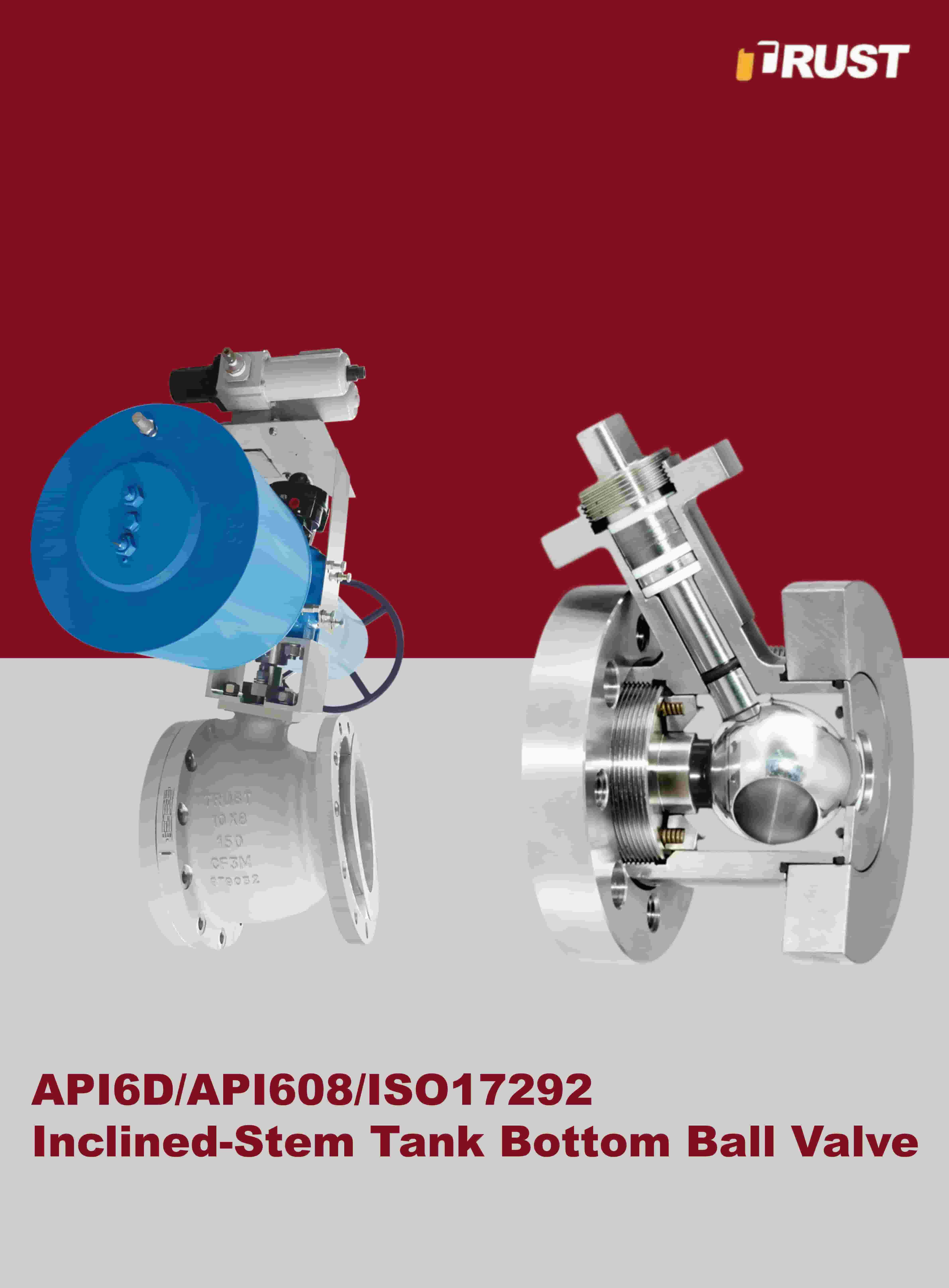
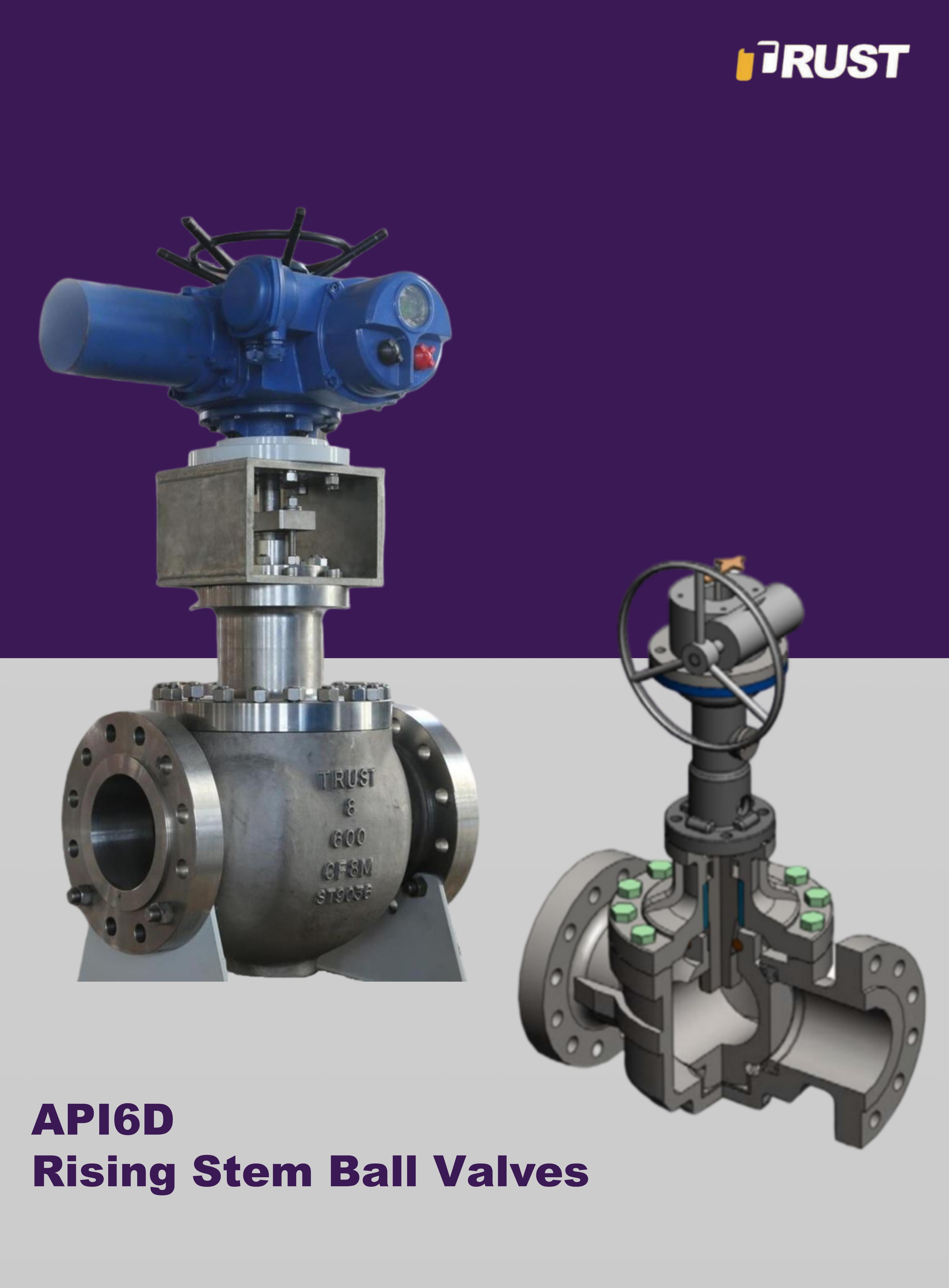
PTFE seats achieve tight closure easily and remain the default up to about 200 °C. Reinforced PTFE and PEEK raise the ceiling to roughly 250 °C, although the usable chemical range narrows as the compound becomes more highly filled. Metal seats trade a small amount of tightness for temperature and abrasion resistance, and survive solids, high velocity and steam service that would ruin a polymer seat within months. The quarter-turn valve range spans both approaches, from soft-seated floating designs to metal-seated valves built for severe service.
The Operating Conditions That Quietly Destroy Performance
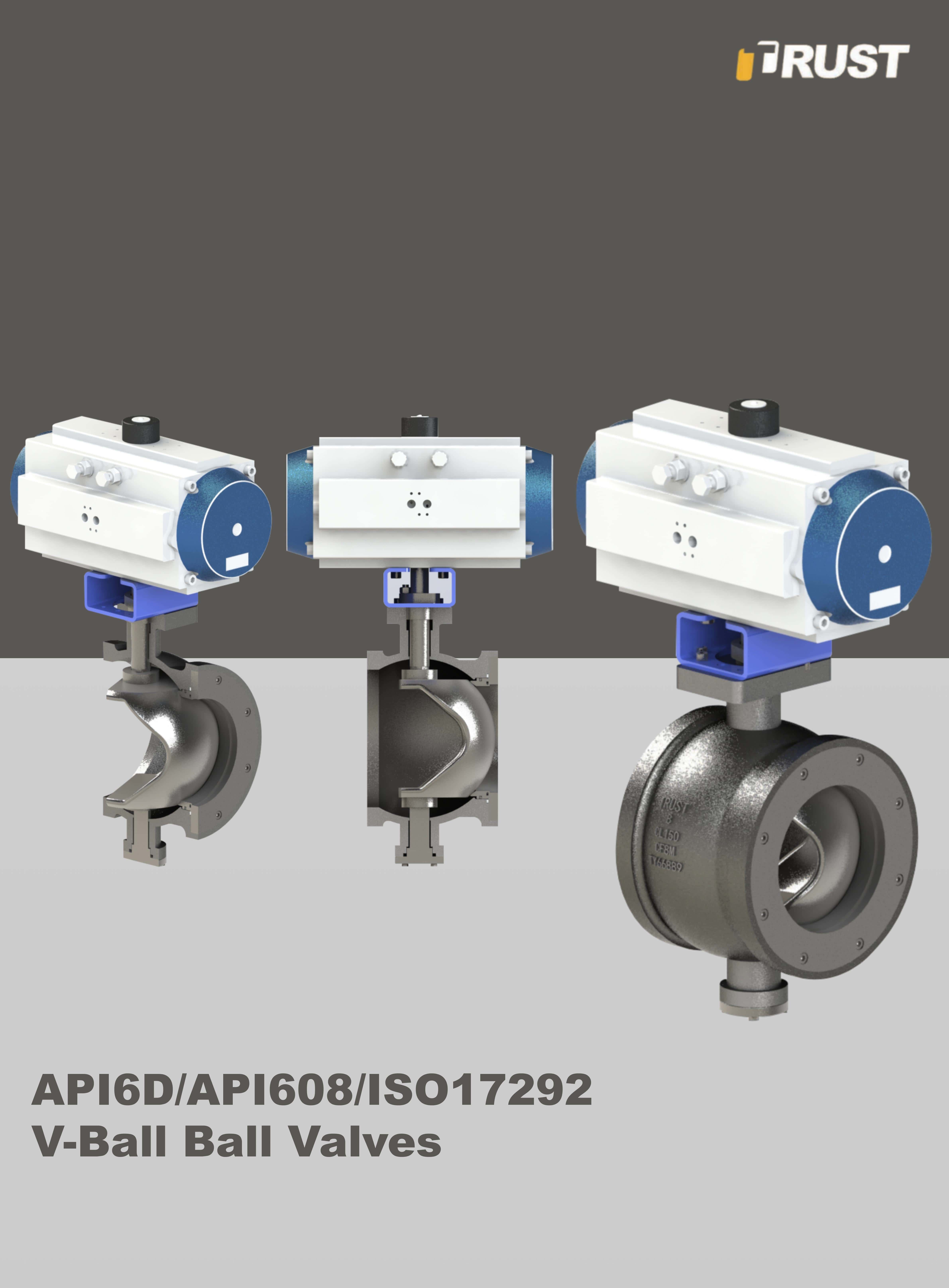
Throttling is the most common misuse. A ball valve is a shutoff device, and holding it part open in a high-pressure-drop liquid line invites cavitation, where collapsing vapour bubbles attack the ball and the downstream seat rather than the pipe. Where continuous flow control is needed, use a control valve or a purpose-designed V-port ball valve and keep the isolation valve fully open or fully closed.
Thermal cycling is the second. Each cycle compresses the seat and lets it recover slightly differently, and after a few hundred cycles a PTFE seat can take on a permanent set that shows up as small leakage at low differential pressure, precisely the condition under which many valves are tested in the field.
Fast closure in gas service is the third. A quarter-turn valve closes in a fraction of a second, and in a long gas line that generates surge pressures well above the operating level, so actuator stroke time becomes a system design parameter rather than an accessory setting. Abrasive media complete the list: slurries, catalyst fines and sand-laden produced water cut soft seats quickly, which is where metal-seated designs with hardened balls earn their cost.
Opening a ball valve only part way to slow the flow down is one of the quickest ways to ruin a stainless ball valve. Cavitation and seat washout in a partly open valve are among the most frequent causes of premature failure in liquid service.
Reading the Numbers: Cv, Torque and Leakage Class
Flow coefficient is the easiest figure to check and the easiest to misread. A reduced-port valve in the same nominal size can carry 30 to 40 percent less flow than a full-port valve, which matters if the line is ever pigged or the available pressure drop is small.
Torque is where actuator sizing goes wrong. Breakaway torque, the figure needed to move a valve that has sat still, is highest after a long idle period and at the extremes of the temperature range, and it is always higher than running torque. Size the actuator on the breakaway figure at maximum operating temperature, add a margin of at least 25 percent, and confirm the ISO 5211 mounting interface so a replacement actuator does not need a new bracket.
Leakage class is the third number, and almost always a negotiation. Soft-seated valves are normally supplied to API 598 or ISO 5208 Rate A, meaning no visible leakage. Metal-seated valves are commonly quoted at Rate D, with tighter classes available only when the seats are lapped and the requirement is stated in writing at the enquiry stage. A verbal promise of zero leakage means nothing without a standard and a test medium attached to it.
A valve that passed its factory seat test is a new valve. A valve that still seats after two hundred thermal cycles is a specification.
Specification Checklist Before the Purchase Order Goes Out
Most premature failures trace back to information that was available at the enquiry stage and left out of the specification.
- Line data: medium, concentration, solids content, temperature range and thermal cycles per year.
- Required leakage class, together with the test standard the valve will be judged against.
- Body and trim materials, including a deliberate hardness differential between ball and seat.
- Anti-static and fire-safe certification wherever flammable service applies.
- Stem-seal class to ISO 15848-1 if fugitive emissions are regulated on site.
- Port type and required Cv, with full port specified if the line is ever pigged.
- Operating torque at maximum temperature, actuator margin and mounting interface.
- Documentation: EN 10204 3.1 material certificates, pressure test reports and torque data.
Where a line must be positively isolated for maintenance, such as a meter run, a manifold or a loading arm, one valve is rarely enough. Integral double block and bleed or double isolation and bleed trunnion designs place two seating surfaces in a single body, which reduces the number of flanged joints in a hazardous area and gives maintenance crews a confirmed isolation point instead of an assumption.
Ask for the torque figure at the maximum operating temperature and the leakage class after thermal cycling. A supplier who can produce both is working from test data rather than from a catalogue photograph.
Installation and Maintenance Choices That Extend Service Life
Design sets the ceiling on performance; installation and maintenance decide whether the valve ever reaches it.
- Mount with the stem vertical or horizontal, never stem-down, so the cavity does not collect debris.
- Cycle every valve at least twice a year, including standby lines; a valve that never moves is the one that seizes.
- Re-torque stem packing after the first thermal cycle and again after the first month in high-temperature service.
- Confirm where the cavity relief discharges on trunnion designs before the first isolation test.
- Record breakaway torque at each shutdown so a rising trend is caught before the actuator stalls.
Spare seats and stem seals held on site shorten repair time more than any other single decision, because the commonest repair on a stainless ball valve is not a new body. It is a new seat and a new stem seal in an otherwise sound valve.
The Bottom Line
The performance of stainless steel ball valves comes down to a small set of verifiable claims: how tight the seat stays after cycling, how much torque is needed at temperature, how little the stem seal emits over thousands of cycles, and how well the alloy matches the medium. Everything else is geometry and paperwork.
When two quotations differ, the useful question is not why one is cheaper. It is which supplier can produce torque data at operating temperature and which one will commit in writing to a leakage class after thermal cycling. Those answers separate a valve that will be opened and closed for twenty years from one that will be replaced at the next turnaround.


 No.100 Xiejin Avenue, Funing County Economic Development Zone, Yancheng City, Jiangsu Province
  +86-515-87398111
  office@trustvalve.com