 English
 русский
 Français
 中文简体
 Português
 Español
 italiano
 عربى
 فارسی


Fire-Safe 3-Piece Stainless Steel Ball Valves: What to Verify Before You Buy
A fire-safe label is not the same as a fire-safe installation. The difference sits in the test report, the seat architecture, material traceability, and the way the valve is specified for the line. If you are buying 3-piece stainless steel ball valves for fuel, solvent, steam, or hot hydrocarbon service, start with three questions: what standard was the valve tested to, does the evidence cover your size and pressure class, and what remains sealed after the soft seat is gone? Price should be last.
The valve that passes a fire test is not automatically the valve that suits your process. Fire safety is a system property, not a checkbox.
A good fire-safe valve does not rely on one soft seat to do two jobs. It gives tight shutoff in normal service and a controlled, metal-backed sealing path when heat destroys the polymer. That distinction affects selection, spare parts, installation checks, and the documents a supplier must hand over.
Why “Fire Safe” Changes the Purchase Decision
In normal service, a 3-piece stainless ball valve seals because the ball presses against a PTFE, RPTFE, or PEEK seat. That seat gives low torque and bubble-tight closure, but it also has a melting point. In a fire, the primary seat can soften, distort, or disappear. A fire-safe design accepts that failure and adds a secondary seal: a metal seat or metal-backed seat ring, graphite body gaskets, and a stem seal path that can survive high temperature long enough for the line to be isolated.
Info: Fire-safe is a performance claim, not a material claim. A stainless body is not fire-safe by itself; qualification comes from a test standard such as API 607, API 6FA, or ISO 10497, applied to a specific valve design.
The practical question is not “Is it stainless?” but “Which test, which size, which pressure class, and which seat configuration?” The basic shutoff and isolation function is only half the purchase. The other half is proof that the valve still limits leakage after a defined fire exposure.
What a Fire Test Actually Proves
A fire test is a sequence, not a certificate title. The valve is typically pressurized, exposed to a controlled fire for a defined period, cooled, and then pressure-tested again. The evaluation looks for external leakage through body joints and stem seals, and internal leakage across the closed seat. For a three-piece valve, the body split joints deserve particular attention because they add sealing interfaces that a one-piece or welded-body design does not have.
Ask for the full report, not a one-page certificate. It should connect the tested model to the offered model and show the size, pressure class, body material, seat material, and test duration. If your project requires a 4-inch Class 300 valve but the certificate covers only a 2-inch Class 150 pattern, the document is not evidence for your purchase.
| Evidence item | What to request | What to verify |
|---|---|---|
| Fire-test standard | API 607, API 6FA, ISO 10497, or the project specification | Current revision and scope match the valve type |
| Size and class coverage | Tested size, pressure class, and qualified range | Certificate covers the offered valve, not a smaller pattern |
| Seat architecture | Primary soft seat plus secondary metal or graphite sealing path | Drawings and bill of materials show the secondary seal |
| Body joint | Graphite or qualified fire-resistant body gaskets | Gasket material is listed and suitable for temperature |
| Anti-static path | Ball-to-stem-to-body continuity | Design statement or continuity test is available |
| Pressure test | Shell and seat test records | Dates, results, and serial or batch traceability are present |
The acceptable leakage rate is also part of the standard. A supplier should explain the permitted leakage and whether the result was pass/fail under the specified test. “Fire-safe certified” without that traceability is a procurement slogan, not a document.
The Three-Piece Advantage, and the Joint You Must Not Ignore
Three-piece construction is popular for stainless ball valves because it lets maintenance staff remove the center section for seat inspection, cleaning, or replacement without cutting the pipe. In chemical, food, pharmaceutical, and pilot-plant services, that access is a genuine advantage. In fire-safe service, it is also a responsibility: every additional joint needs the right gasket, the right bolt torque, and the right surface finish.
The fire-safe version should use body gaskets that remain effective at high temperature, commonly graphite or a qualified fire-resistant composite. Standard PTFE body gaskets may be excellent in normal service but are not the same as a fire-safe sealing strategy. Bolting also matters. A three-piece body held together by under-torqued or over-torqued fasteners can leak before or after a fire, even when the seat design is correct.
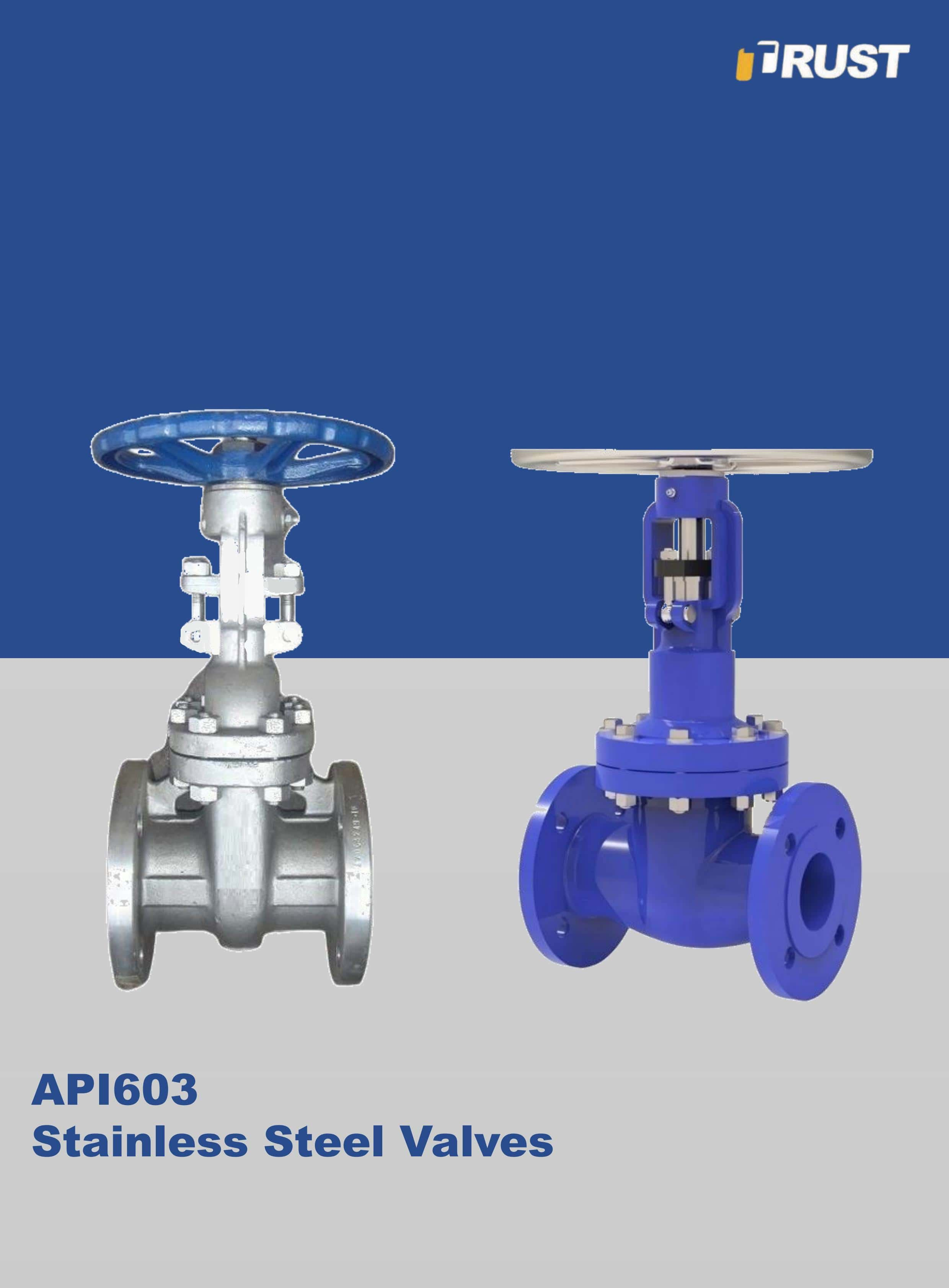 OEM/ODM Stainless-Steel Fire-Safe Valve SeriesAPI 607 fire-safe stainless-steel valves in 316/316L/304/304L, with bubble-tight shutoff and broad size and pressure options for demanding process isolation.View Product →
Warning: Do not treat a fire-safe seat as permission to ignore the body joint. In a three-piece valve, the split body is part of the fire boundary, not a maintenance afterthought.
A Practical Specification Checklist
Use the following list to move the conversation from a brand claim to a verifiable selection. It works for a single valve and for a project package with mixed sizes and classes.
- Confirm the fire-test standard, revision, and the test laboratory or third-party witness required by the project.
- Match the certificate to the actual size, pressure class, body material, and seat configuration, not just the product family.
- Ask for the secondary sealing path in drawings and the bill of materials: metal seat, metal-backed seat ring, graphite gasket, or another qualified design.
- Check the body gasket and stem packing materials against the maximum temperature and fire-safe claim.
- Verify anti-static continuity between ball, stem, and body, especially where flammable fluids are present.
- Require material certificates, pressure-test records, and traceability for the offered batch.
- Confirm whether NACE MR0175 or another sour-service requirement applies, and whether the valve is qualified for it.
- Review installation torque, actuation, and spare-seat kits so the fire-safe configuration is maintained after repair.
Success: A complete submittal should let an engineer trace one offered valve to one test report, one bill of materials, and one pressure-test record. If that trail is missing, the lowest price is not the lowest risk.
Materials, Seats, and Procurement Risks
For a stainless fire-safe ball valve, 316 stainless steel or CF8M is a common body and ball material, with a 316 stem and a compatible seat package. The material choice should come from the media, not from habit. Chlorides, sour hydrocarbons, solvents, and high-temperature steam each push the specification in a different direction.
Seat selection is the next decision. PTFE and RPTFE offer low torque and excellent sealing for many clean fluids, but their temperature ceiling is limited. PEEK handles higher temperatures and is more resistant to deformation, though it may increase operating torque. A metal-seated design is often the better choice for abrasive or severe-service fluids where soft-seat damage is expected even without a fire.
- A generic fire-safe certificate may not cover the offered size, class, or seat material.
- Replacement seats bought later may not match the original fire-safe design.
- Under-torqued body bolts can create an external leak path after a fire.
- Anti-static continuity may be assumed rather than tested.
- A stainless body may be selected for corrosion resistance while the gasket package is not suitable for the temperature.
Where Fire-Safe 3-Piece Stainless Ball Valves Fit
Fire-safe ball valves are commonly specified for fuel isolation, hydrocarbon drains, solvent lines, tank-farm manifolds, and other points where a downstream fire could expose a valve to heat. They are not a substitute for a risk study, but they give the piping system a defined sealing strategy when the normal polymer seat is lost.
In oil and gas operations, the requirement often appears around fuel gas, produced water, and utility isolation. In chemical plants, the same valve may be selected for a clean solvent line that must remain tight during an external fire. The service conditions decide the seat and gasket package, not the label alone.
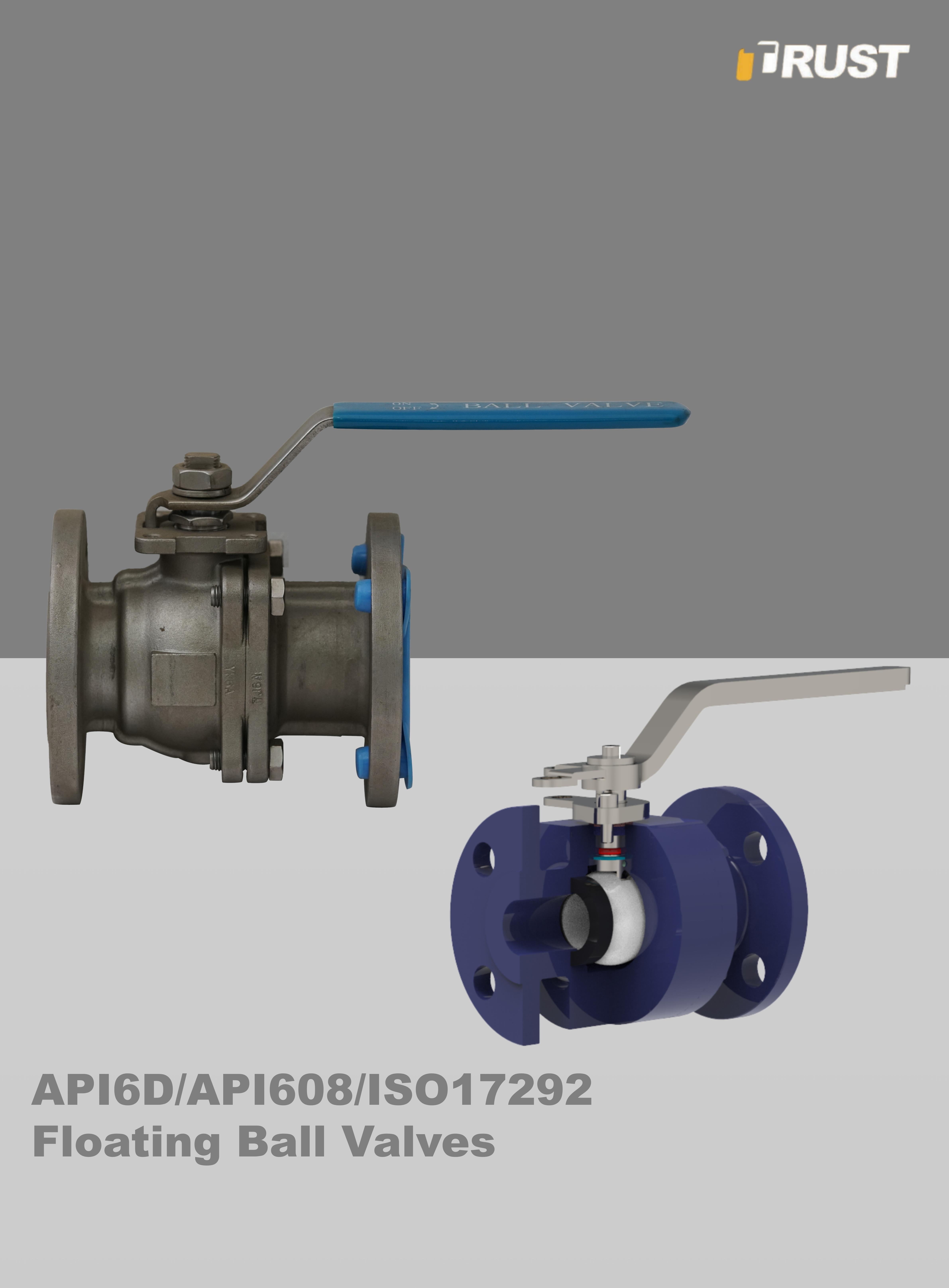 Soft-Seated Floating Ball Valve RangeOEM/ODM floating ball valves with soft seats, side/top-entry options, and API 607/6FA fire-safe design for clean-fluid and moderate-temperature isolation.View Product →
For clean fluids and moderate temperatures, a soft-seated floating ball valve is often the practical starting point. For abrasive media, high cycling, or severe service, a metal-seated design may be the more durable route. In both cases, the fire-safe evidence should follow the actual configuration.
Final Takeaway
Buy fire-safe 3-piece stainless steel ball valves as documented safety components, not as catalogue items with an extra word on the datasheet. The useful checks are simple: the test standard is named, the evidence covers your size and class, the secondary seal is visible in the design, the body gaskets are suitable for fire exposure, and the anti-static path is verified.
If the supplier can provide that package—and explain how it is maintained after seat replacement—the valve is ready for engineering review. If not, keep asking questions. In fire-safe service, the difference between a certificate and a qualified valve is the difference between paperwork and protection.


 No.100 Xiejin Avenue, Funing County Economic Development Zone, Yancheng City, Jiangsu Province
 +86-515-87398111
 office@trustvalve.com
