 English
 русский
 Français
 中文简体
 Português
 Español
 italiano
 عربى
 فارسی


High-temperature stainless steel ball valves are not selected by upgrading the body material and leaving everything else unchanged. The working conclusion is simple: once the line is hot enough to soften, creep, or degrade a polymer seat, the valve should be treated as a metal-seated isolation device, with the body rating, stem packing, and actuator torque confirmed for the actual temperature-pressure envelope.
At ambient temperature, a soft-seated stainless ball valve can look like the low-risk choice. It turns easily, seals tightly, and often costs less. At elevated temperature, the same design can become a shutdown item because the seat has lost resilience, the stem packing has relaxed, or the actuator no longer has enough margin to break the valve free after a thermal cycle.
“The valve that passes a cold hydrotest has proved the shell. It has not proved the seat, the packing, or the actuator at operating temperature.”
Heat Changes the Failure Mode Before It Changes the Metal
Three changes usually arrive together. Differential expansion alters clearances between the ball, seat, stem, and body. Polymer seats and seals lose elasticity, then creep or extrude under pressure. And breakaway torque rises as surfaces score, deposits form, or the seat cools onto the ball after a hot shutdown.
The visible failures are seat leakage, stem leakage, galling, ball and seat scoring, cavity overpressure, and actuator overload. The less visible failure is a valve that still opens and closes but no longer shuts off cleanly, which turns a routine isolation step into a maintenance event.
The pressure-temperature rating matters more than the ambient class. A Class 300 or PN40 stainless valve may have a lower allowable pressure at 400°C than at 20°C, depending on material group and wall thickness. The cold hydrotest proves shell integrity; it does not prove sealing at temperature. For project work, the valve's pressure-temperature chart and the data sheet govern over any generic catalog headline.
| Seat or sealing approach | What it handles well | Main limitation | What to verify |
|---|---|---|---|
| PTFE or RTFE soft seat | Tight shutoff at moderate temperature and lower torque. | Creep, extrusion, and polymer degradation limit hot service. | Vendor temperature limit, media compatibility, fire-safe requirement if applicable. |
| PEEK or advanced polymer seat | Better temperature and pressure capability than standard PTFE; useful in cycling moderate-hot lines. | Still a polymer; performance depends on grade, clearance, and thermal history. | Cycling data, pressure-temperature chart, and compatibility with the actual medium. |
| Metal seated, hardened interface | High temperature, abrasive duty, and thermal cycling; robust seat-to-ball contact. | Higher torque and greater dependence on machining, lapping, and surface finish. | Hard facing, seat leakage class, torque data, and actuator margin at maximum temperature. |
Material and Seat Choices That Actually Matter
Body alloy and pressure class
CF8M and CF3M are common stainless choices for ball valve bodies, with 316L often preferred where welding or low-carbon chemistry is specified. Duplex stainless may be considered where chlorides raise stress-corrosion risk, but it should not be chosen as a blanket upgrade. The body material must be read against the pressure-temperature chart, not judged by the room-temperature pressure class alone.
Steam, sour gas, hot caustic, and thermal cycling attack different parts of the valve. A body that resists corrosion may still transfer heat into the seat, packing, and cavity. That is why the material decision should include the seat system, gaskets, stem bearings, and any trapped-fluid relief requirement.
Seat, stem, and packing
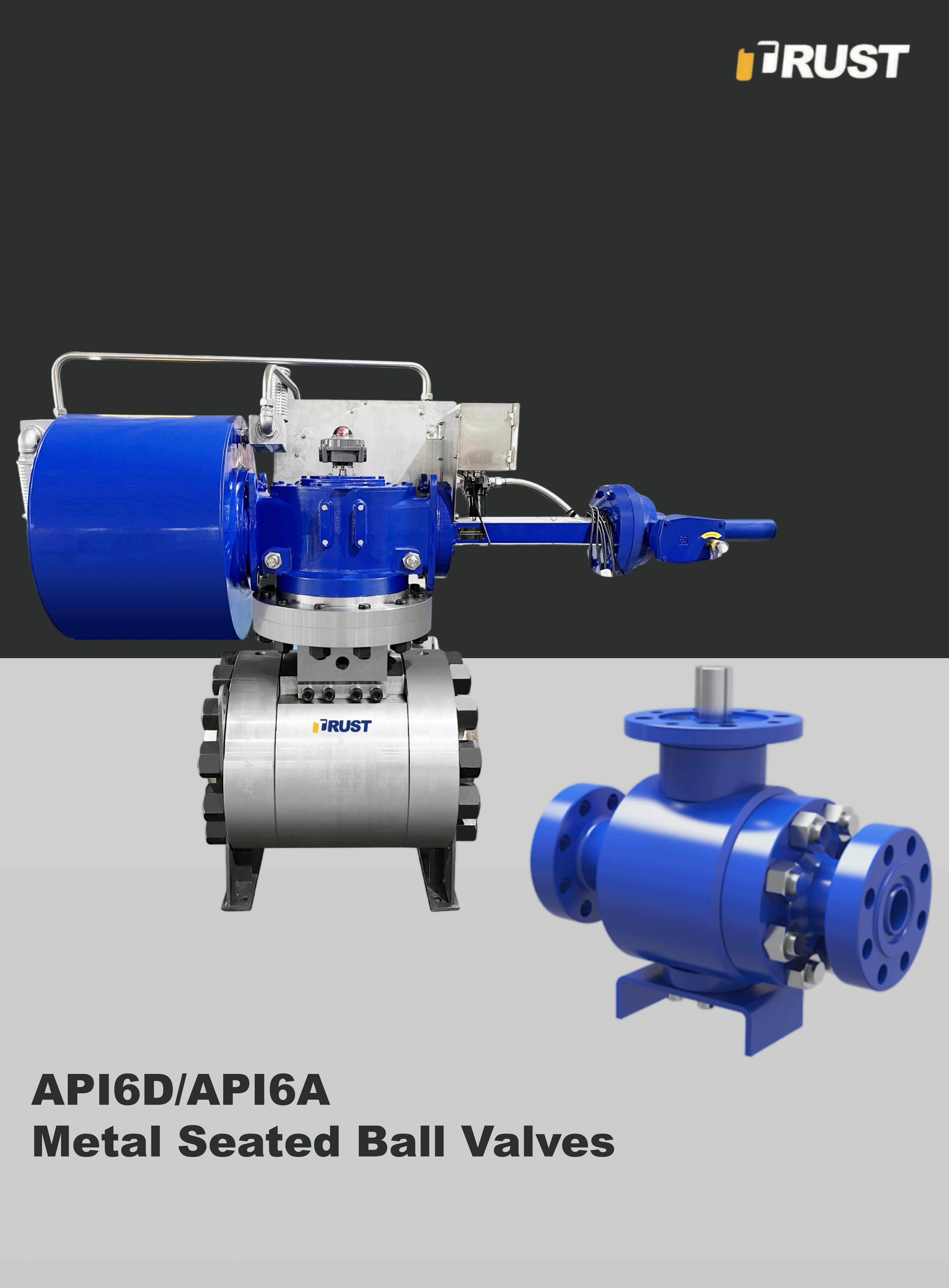
Metal seating is the center of high-temperature selection. The ball and seat need a hardened interface, controlled surface finish, and a lapping or matching process that supports shutoff after thermal movement. Stem packing and body gaskets should be suitable for the temperature class, with graphite-based materials where the application demands them. Fire-safe qualification and fugitive-emission testing may be required under API 607, API 6FA, or ISO 15848-1, depending on the project.
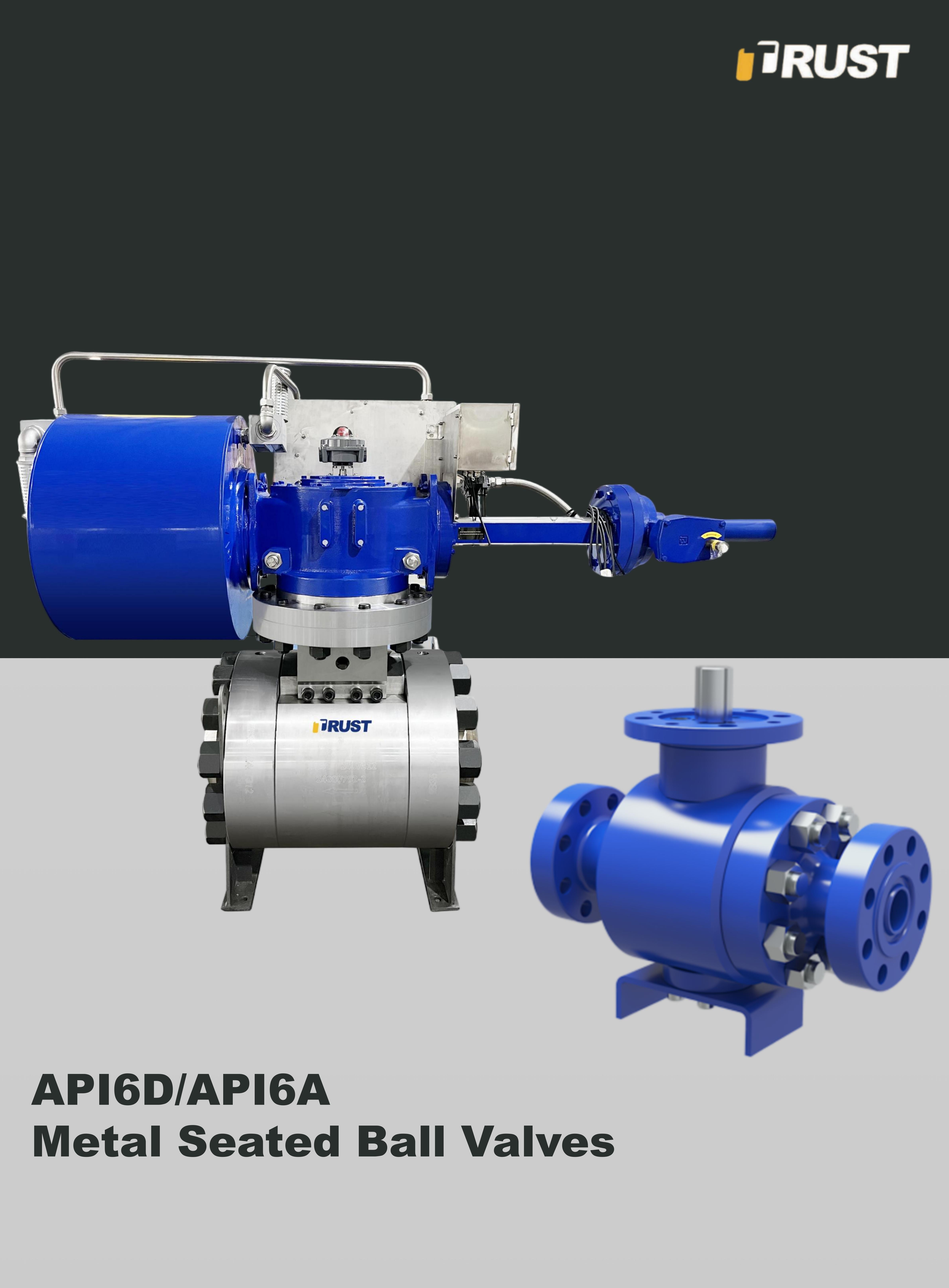 Metal Seated Ball Valves for High-Temperature Severe ServiceReview metal-to-metal seated valves for high-temperature, high-pressure and corrosive service, with fire-safe options and sizes from NPS 1/2 to 24.View Product →
Do not treat a metal-seated ball valve as simply a soft-seated valve with harder parts. The actuation, sealing clearances, and maintenance plan all change. A hot-service valve that is difficult to lap or inspect can create more risk than a well-documented soft-seated valve used within its real limits.
Isolation architecture
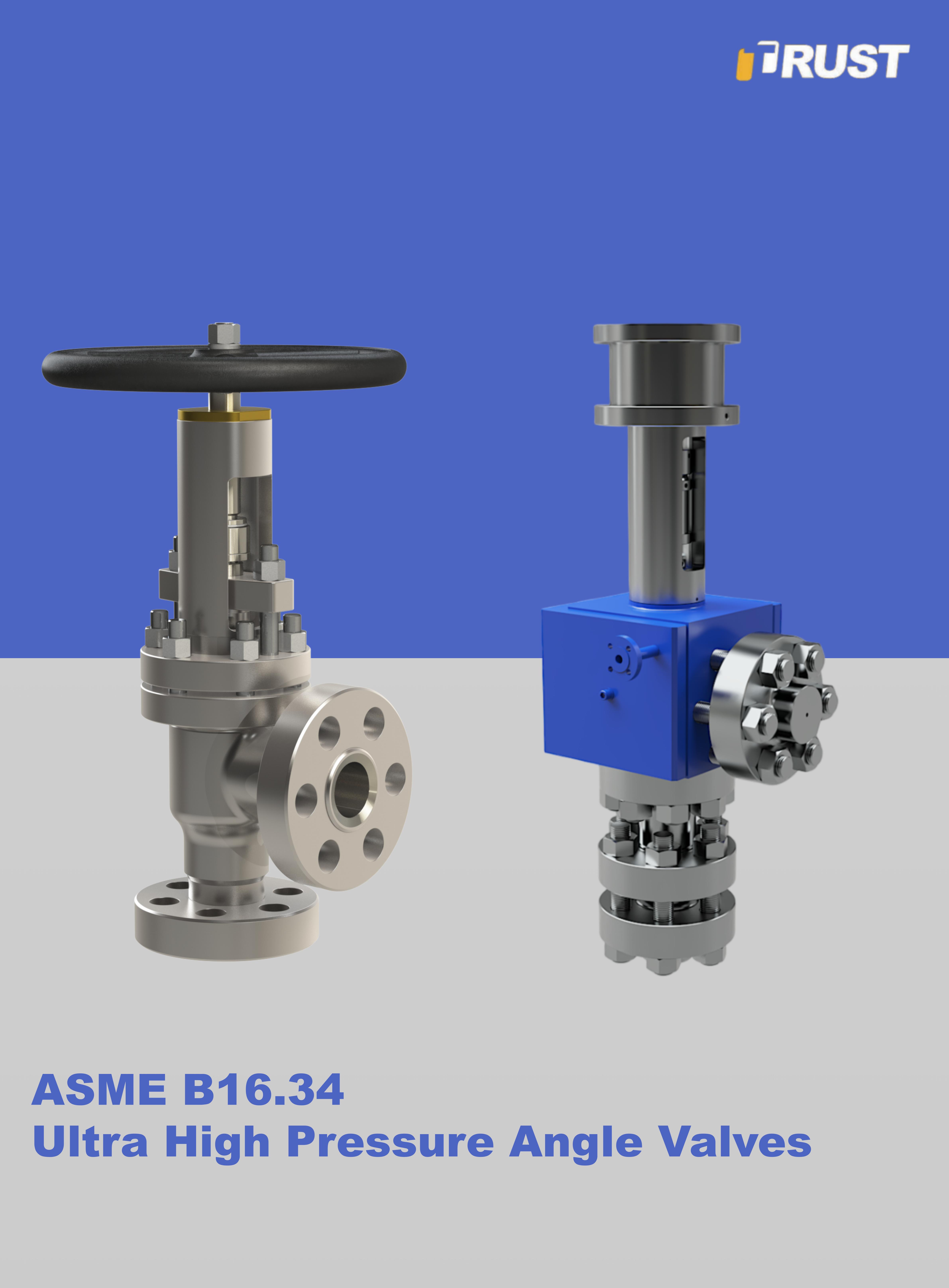
Where the line requires double block and bleed, an integral DBB or DIB trunnion-mounted ball valve can reduce leak paths compared with a assembled arrangement. For hot service, check cavity relief, thermal expansion of trapped fluid, and seat behavior during depressurization. Double isolation is valuable only when each boundary is rated for the temperature and pressure case that can actually occur.
 Integral DBB and DIB Trunnion-Mounted Ball ValvesAPI 6D isolation valves with trunnion support and DBB or DIB configurations for high-pressure pipelines, including fire-safe designs and large sizes.View Product →
Torque, Actuation, and the First Shutdown
Actuator sizing is often taken from a catalog torque at ambient conditions, then checked against the maximum differential pressure. That is not enough for hot service. Breakaway torque can rise after thermal cycling, and a valve that was easy to operate in the workshop may demand considerably more torque after the seat has cooled onto the ball. Specify the actuator against the hottest expected condition, with a clear safety margin and a documented torque calculation.
The stem also moves. Thermal growth can change packing compression, limit-switch positions, and the relationship between the actuator and the valve. A commissioning check at operating temperature is more useful than a bench test alone.
Do not size an actuator from ambient breakaway torque alone. A hot, depressurized valve can still demand more torque after the seat has cooled onto the ball or deposits have formed in the cavity.
A Practical Selection Checklist
Before comparing quotations, force these answers into the data sheet and the technical bid evaluation.
- Define design temperature, minimum temperature, ambient temperature, design pressure, differential pressure, and cycling frequency.
- Confirm the medium, contaminants, solids, and whether the valve will be used for isolation, throttling, or both.
- Select the body material group, then verify the allowable pressure at the specified temperature using the pressure-temperature chart.
- Choose the seat system against the real temperature envelope; do not extend a soft seat beyond the manufacturer's limit.
- Check fire-safe, fugitive-emission, and sour-service requirements when the project or medium calls for them.
- Require an actuator torque calculation at maximum temperature and differential pressure, including a stated margin.
- Ask for the installation, operation, and maintenance instructions, spare seat kits, and the test reports that will be used at handover.
A pressure-temperature chart at the specified design temperature is a selection control, not a catalog formality. It should reflect the selected body material and the actual valve size.
Procurement and Lifecycle Risk
The lowest purchase price is not always the lowest lifecycle cost. A metal-seated valve costs more upfront, but it may reduce shutdown risk where soft seats would fail early. The opposite is also true: a metal-seated valve with poor surface finish, insufficient actuator margin, or no spare-seat plan can become an expensive maintenance problem.
For oil and gas duty, include fire-safe, fugitive-emission, and sour-service documentation in the request for quotation when those requirements apply. For chemical and petrochemical duty, check corrosion, polymer and elastomer compatibility, and cavity relief. The industry label should lead to a specific data sheet, not a generic brochure.
- Require the pressure-temperature chart for the exact material, size, and pressure class.
- Ask for seat and ball hardness, surface finish, and lapping method where metal seating is used.
- Request the actuator sizing calculation, including the hot-condition breakaway torque.
- Include spare seat kits and maintenance guidance in the commercial evaluation.
- Confirm shell, seat, fire-safe, and non-destructive examination requirements before order release.
A complete documentation package should show the allowable pressure at the specified temperature and the test standard used to prove shutoff. That package is what makes a high-temperature stainless steel ball valve auditable after installation.
The Bottom Line
High-temperature stainless steel ball valves are system components, not commodity parts. Start with the operating temperature and pressure envelope, move to a metal-seated design when soft seats are at or beyond their practical limit, verify the body pressure-temperature rating, and size the actuator for the hottest shutdown condition. When the seat, body, and actuator are selected for the same hot envelope, the valve has a realistic chance of staying tight beyond the first week of service.


 No.100 Xiejin Avenue, Funing County Economic Development Zone, Yancheng City, Jiangsu Province
 +86-515-87398111
 office@trustvalve.com
