 English
 русский
 Français
 中文简体
中文简体 Português
 Español
 italiano
 عربى
عربى فارسی
فارسی

The Special Alloy Valve addresses fugitive emissions compliance through a combination of precision-engineered low-emission packing systems, certified stem sealing technology, and adherence to internationally recognized standards such as ISO 15848-1 and API 624. These design and certification measures ensure that fugitive emissions — unintended leaks of process fluid or gas into the atmosphere — are kept well below regulatory thresholds, typically under 100 ppm (parts per million) as required by the U.S. EPA Method 21 and equivalent global regulations.
For industries such as oil and gas, petrochemical processing, and chemical manufacturing, fugitive emissions are not only an environmental and health concern but also a compliance liability. Selecting a properly certified Special Alloy Valve is one of the most direct ways to meet these obligations while maintaining process integrity.
Why Fugitive Emissions Matter in Valve Selection
Fugitive emissions from industrial valves account for a significant share of Volatile Organic Compound (VOC) and Hazardous Air Pollutant (HAP) releases at process plants. Studies by the U.S. Environmental Protection Agency (EPA) estimate that valves contribute approximately 50–60% of total fugitive emission sources at typical petroleum refineries. This makes valve sealing performance a primary focus for environmental engineers and plant operators.
Beyond environmental impact, non-compliant valves expose facilities to regulatory fines, mandatory shutdown orders, and reputational damage. In regions governed by the EU Industrial Emissions Directive (IED) or the U.S. Clean Air Act, the legal consequences of exceeding emission thresholds can be severe. A well-engineered Special Alloy Valve with verified low-emission performance is therefore both a technical and a business necessity. It is also worth noting that valve configuration — including whether the design uses soft-seal valves with elastomeric or polymer seating elements versus metal-seated alternatives — directly influences baseline leakage rates and must be evaluated as part of any emissions compliance strategy.
Key Industry Standards Governing Special Alloy Valve Emissions
The Special Alloy Valve is designed and tested against the most demanding international fugitive emissions standards. Understanding these standards helps procurement engineers specify the correct certification level for each service application.
| Standard | Scope | Leak Rate Threshold | Test Medium |
|---|---|---|---|
| ISO 15848-1 | Industrial valves – measurement and qualification of fugitive emissions | Class A: ≤1×10⁻⁶ mg/(s·m) | Helium |
| API 624 | Rising stem valves with graphite packing | ≤100 ppm (EPA Method 21) | Methane |
| API 641 | Quarter-turn valves (ball, butterfly, plug) | ≤100 ppm (EPA Method 21) | Methane |
| TA-Luft (German) | European air quality guidelines for industrial equipment | ≤1×10⁻⁴ mbar·l/s | Helium |
A Special Alloy Valve certified to ISO 15848-1 Class A represents the most stringent level of fugitive emission control currently available in the industry. Procurement teams should confirm which specific class and tightness level (B, C, or A) is required for their regulatory jurisdiction before specifying.
Stem Sealing Technology in the Special Alloy Valve
The valve stem is the most common point of fugitive emission leakage. The Special Alloy Valve employs several advanced stem sealing solutions to minimize this risk. One of the most effective approaches in high-integrity applications is the bellows valve seal, in which a welded metal bellows encapsulates the stem entirely, creating a hermetic barrier between the process fluid and the atmosphere. Unlike conventional packing-based arrangements, a bellows valve seal eliminates the stem penetration as a potential leak path altogether, making it the preferred choice for extremely toxic, carcinogenic, or ultra-high-purity process media where even trace emissions are unacceptable.
Live-Loaded Packing Systems
Live-loaded packing uses a set of disc springs (Belleville washers) to apply constant axial load on the packing rings, compensating for packing relaxation caused by thermal cycling and mechanical wear. This approach is particularly important in applications where the Special Alloy Valve undergoes repeated open/close cycles at elevated temperatures. A correctly specified live-loaded packing assembly can extend re-packing intervals by 2–3 times compared to conventional static packing arrangements.
Flexible Graphite Packing Rings
Flexible or expanded graphite is the most widely used packing material for low-emission valve applications. In the Special Alloy Valve, high-purity graphite packing (typically ≥99.5% carbon content) provides excellent chemical resistance across a wide temperature range from -200°C to +550°C. Graphite rings conform precisely to stem and stuffing box surfaces, creating a robust seal that resists creep and relaxation.
PTFE and Polymer Composite Packing
For lower-temperature services involving aggressive chemical media, the Special Alloy Valve may be configured with PTFE-based or polymer composite packing, offering near-zero permeability to most process gases and excellent resistance to chemical attack from solvents, acids, and caustics. This configuration shares sealing philosophy with soft-seal valves, where compliant non-metallic materials are used to achieve bubble-tight shutoff and minimal leak paths, though in the Special Alloy Valve context, the alloy body and stem provide far superior corrosion resistance compared to standard soft-seal designs used in general-purpose service.
Material Advantages of Special Alloy Valve Bodies in Emission Control
The alloy composition of the valve body itself plays a critical role in long-term fugitive emissions performance. Emission leakage is often caused or accelerated by corrosion, micro-cracking, or dimensional distortion of the valve body and stem. The Special Alloy Valve addresses this through:
- Inconel 625 / 718: Outstanding resistance to pitting and crevice corrosion in chloride-rich environments, preserving stem bore geometry and preventing leak path formation.
- Hastelloy C-276: Exceptional performance in highly oxidizing or reducing chemical environments, maintaining dimensional stability and preventing corrosion-induced packing bypass.
- Duplex and Super Duplex Stainless Steel: High strength combined with corrosion resistance reduces the risk of stress corrosion cracking, which can create micro-leak paths through valve bodies over time.
- Monel 400: Ideal for seawater and hydrofluoric acid (HF) service, where standard stainless steels would degrade rapidly and create uncontrolled emission points.
By preserving the structural integrity of all sealing contact surfaces over the full service life, the Special Alloy Valve sustains its low-emission performance far longer than carbon steel or standard stainless equivalents in corrosive service.
Design Features That Reduce Fugitive Emission Risk
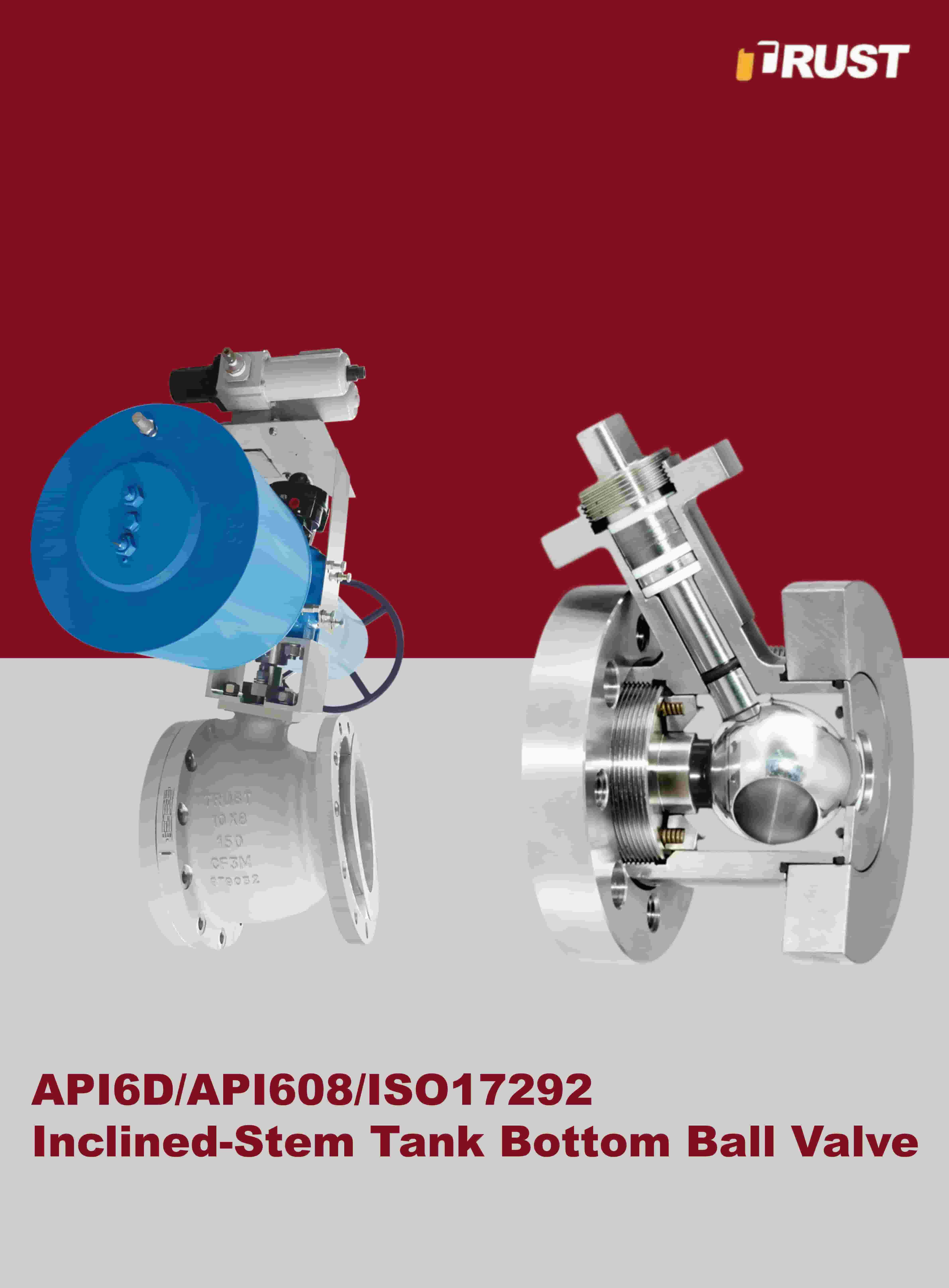
Beyond packing and materials, the structural design of the Special Alloy Valve incorporates multiple features specifically aimed at reducing fugitive emission risk throughout its operational life. When the valve is configured as a full port ball valve — meaning the bore diameter through the ball matches the internal diameter of the connecting pipeline — there is no flow restriction or turbulence-induced pressure drop across the valve. This full bore design not only improves flow efficiency but also reduces the pressure differential stress on the stem sealing system, contributing to more stable and longer-lasting emission control performance compared to reduced-port configurations.
- Stem surface finish: Precision-ground stems with a surface roughness of Ra ≤ 0.8 μm minimize packing wear and reduce micro-channeling that can allow fluid bypass.
- Extended stuffing box depth: A deeper packing chamber accommodates more packing rings (typically 5–7 rings), distributing the sealing load and improving overall leak-tightness.
- Anti-blowout stem design: Incorporated by default in the Special Alloy Valve, the anti-blowout feature prevents the stem from being ejected under pressure, maintaining a secondary containment barrier even under fault conditions.
- Body-bonnet bolting with controlled torque: Uniform bolt load distribution prevents flange face distortion and the development of partial-contact leak paths at the body-to-bonnet joint.
- Secondary sealing backup: Some configurations of the Special Alloy Valve include a secondary sealant injection port, enabling in-service injection of sealant compound without process shutdown when primary packing shows signs of degradation.
Valve Type Selection and Its Impact on Emissions Performance
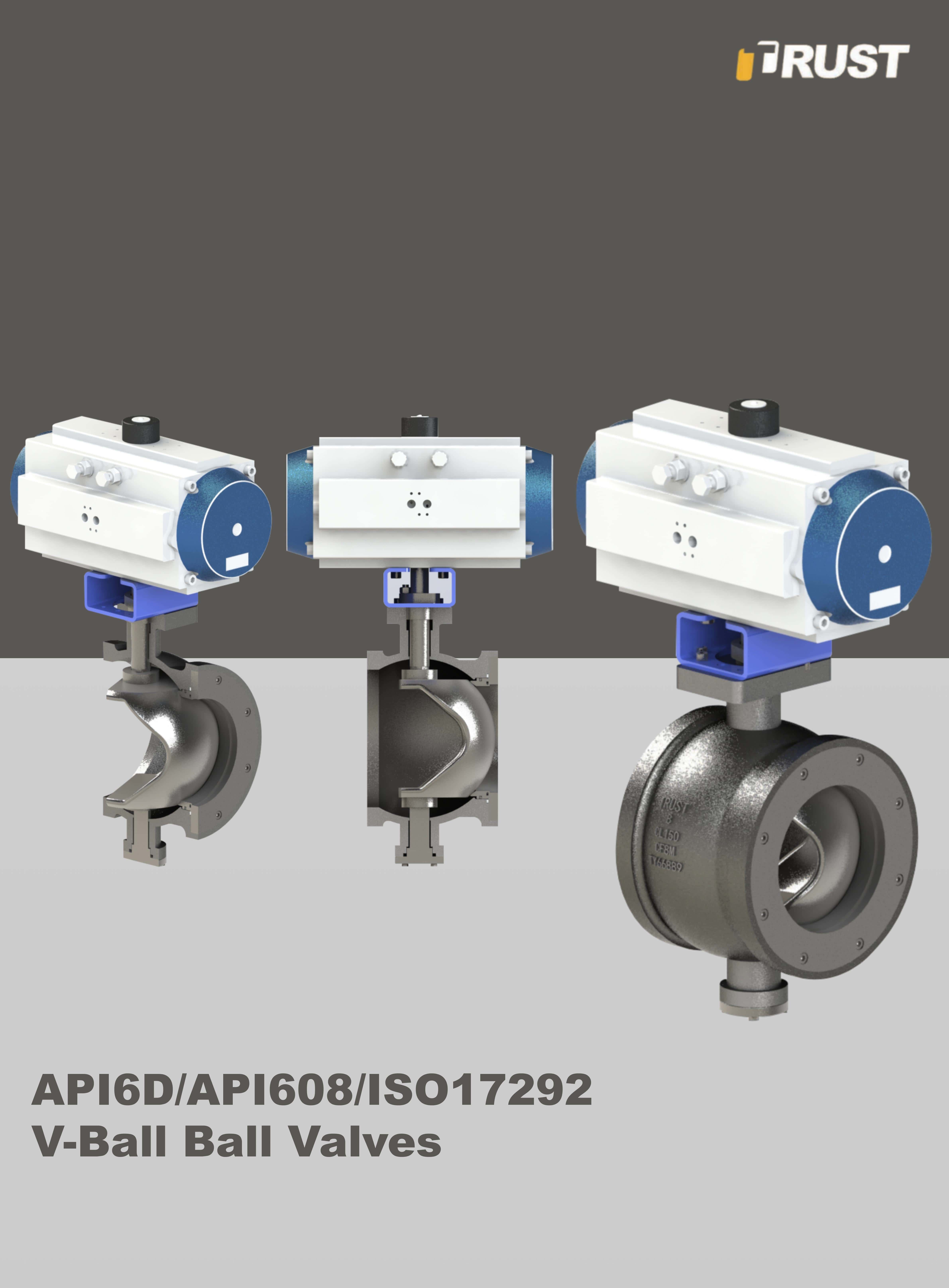
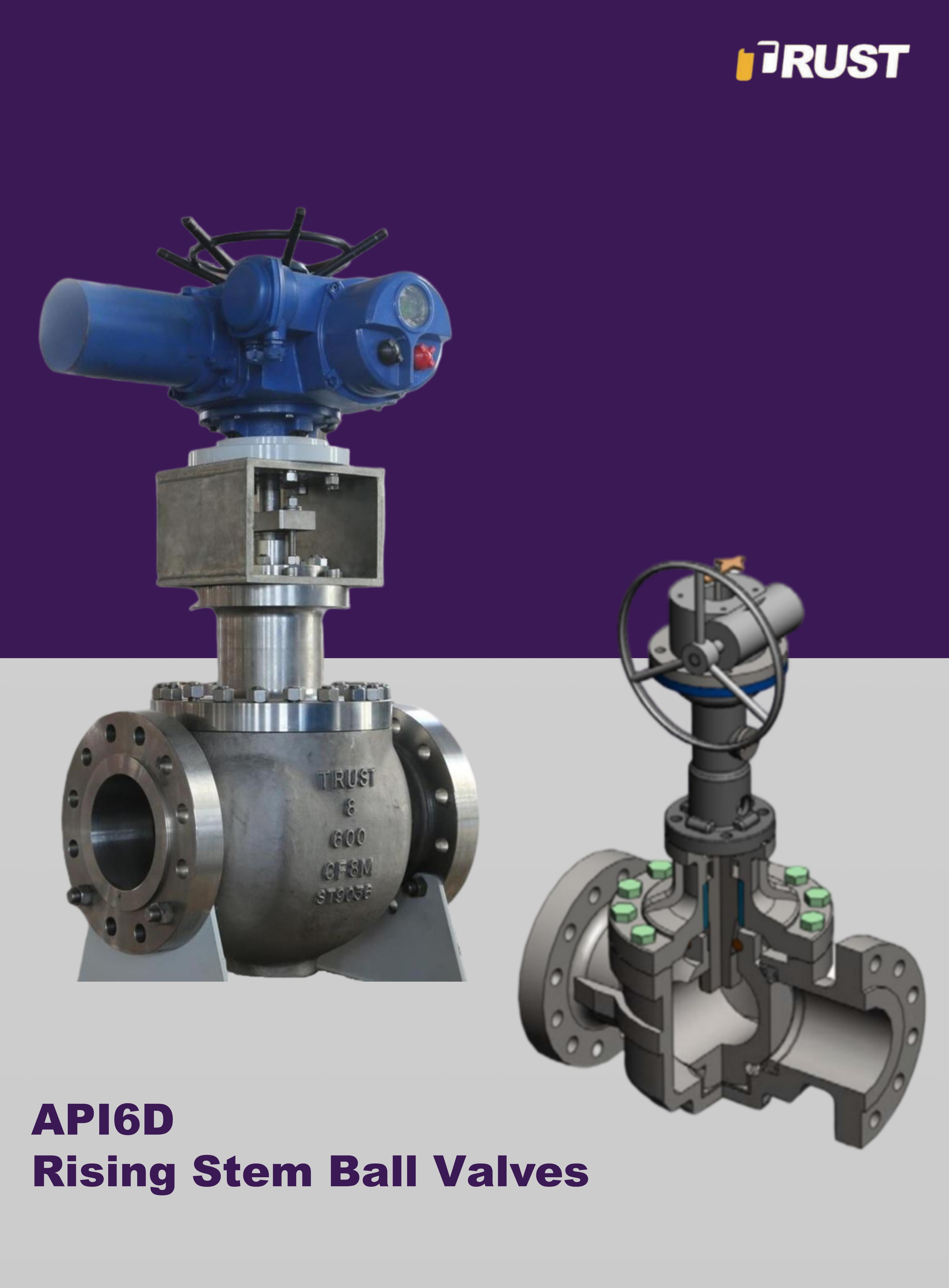
The type of valve chosen for a given service has a direct bearing on fugitive emission risk. Among the most common designs used in alloy valve applications, understanding the types of gate valves available is particularly important for isolation service in emission-regulated pipelines. Gate valves are broadly divided into wedge gate, parallel slide, and slab gate configurations. Wedge gate valves provide strong mechanical seating force and are widely used in general isolation service, while parallel slide gate valves eliminate the wedging action that can cause stem side-loading and accelerated packing wear — a key advantage for low-emission applications. Slab gate valves, commonly used in pipeline and subsea service, offer a full bore flow path and reduced turbulence similar in principle to a full port ball valve configuration. Each of these types of gate valves presents different trade-offs in terms of stem travel, actuator force requirements, and sealing surface wear, all of which influence the long-term fugitive emission profile of the Special Alloy Valve installation.
For quarter-turn isolation applications, the Special Alloy Valve configured as a full port ball valve is often preferred in emission-sensitive service due to its short stroke, low stem travel, and the ability to use a compact live-loaded packing arrangement that maintains consistent sealing load with minimal packing compression travel. Globe and needle valves, while excellent for throttling, involve greater stem travel per cycle and therefore subject packing to more wear per unit time, requiring more frequent inspection under an LDAR program.
Testing and Verification Protocols for Fugitive Emissions
Compliance is only meaningful when it is verified through rigorous testing. The Special Alloy Valve undergoes the following emission qualification testing before being released for service:
- Type testing (ISO 15848-1): A representative sample valve is subjected to a defined number of mechanical cycles (up to 2,500 cycles for Class CO3) at elevated temperature, with helium leak measurements taken at specified intervals using a calibrated sniffer probe.
- Production testing (ISO 15848-2): Every production Special Alloy Valve may be subject to a reduced-cycle acceptance test at room temperature to confirm that manufacturing quality matches the type-tested design.
- EPA Method 21 screening: For API 624 and API 641 qualification, the valve is pressurized with methane and a calibrated flame ionization detector (FID) is used to measure surface concentration in ppm at the stem and body-bonnet joint.
- Hydrostatic shell and seat testing: All Special Alloy Valves undergo shell and seat pressure tests per API 598 or EN 12266-1 before emission qualification testing begins, ensuring that structural integrity is confirmed independently of packing performance.
Test reports and third-party witness certificates from accredited inspection bodies (such as TÜV, Bureau Veritas, or SGS) should be requested as part of the procurement documentation package for any Special Alloy Valve destined for regulated service.
Maintenance Practices to Sustain Fugitive Emission Compliance
Even the highest-certified Special Alloy Valve requires proper maintenance to sustain compliance over its full service life. Plant maintenance programs should incorporate the following practices:
- Implement a Leak Detection and Repair (LDAR) program with periodic screening of all Special Alloy Valve stems and body joints using EPA Method 21-compliant instruments.
- Follow manufacturer-recommended packing re-torque schedules after initial commissioning, typically within the first 24–72 hours of operation when thermal stabilization causes initial packing relaxation.
- Replace packing rings with OEM-specified low-emission packing kits only, ensuring replacement materials match the original certification basis of the Special Alloy Valve.
- Document all LDAR measurements, repairs, and packing replacements to build a compliance record for regulatory inspections and audits.
- For critical high-cycle services, consider scheduling proactive valve overhaul at 3–5 year intervals, regardless of visible leak indication, to replace worn packing and inspect stem surface condition.
Selecting the Right Special Alloy Valve Configuration for Emission-Sensitive Service
Not all emission-sensitive applications require the same level of certification. The following guidance helps match Special Alloy Valve configuration to application requirements:
| Application Type | Recommended Certification | Packing Type | Valve Type |
|---|---|---|---|
| LNG / cryogenic service | ISO 15848-1 Class A | PTFE composite | Globe / Full Port Ball Valve |
| High-temp refinery process | API 624 + ISO 15848-1 Class B | Flexible graphite (live-loaded) | Parallel Slide Gate / Globe |
| Chemical plant (HAP service) | TA-Luft + ISO 15848-1 | Graphite / PTFE hybrid | Bellows Seal / Soft-Seal Ball |
| Sour gas (H₂S) service | API 624 + NACE MR0175 | Graphite (high-purity) | Slab Gate / Full Port Ball Valve |
| Ultra-toxic / zero-emission service | ISO 15848-1 Class A + Bellows Seal | Bellows valve seal (hermetic) | Globe / Needle |
Specifying the correct combination of alloy body material, packing system, and emission certification for each service ensures that the Special Alloy Valve delivers long-term regulatory compliance without over-engineering or unnecessary cost. When in doubt, consulting with a valve manufacturer's application engineering team to review process data sheets and regulatory requirements is always the most reliable path to compliant selection.

 No.100 Xiejin Avenue, Funing County Economic Development Zone, Yancheng City, Jiangsu Province
  +86-515-87398111
  office@trustvalve.com