 English
 русский
 Français
 中文简体
中文简体 Português
 Español
 italiano
 عربى
عربى فارسی
فارسی

Reduced Footprint in Piping Systems
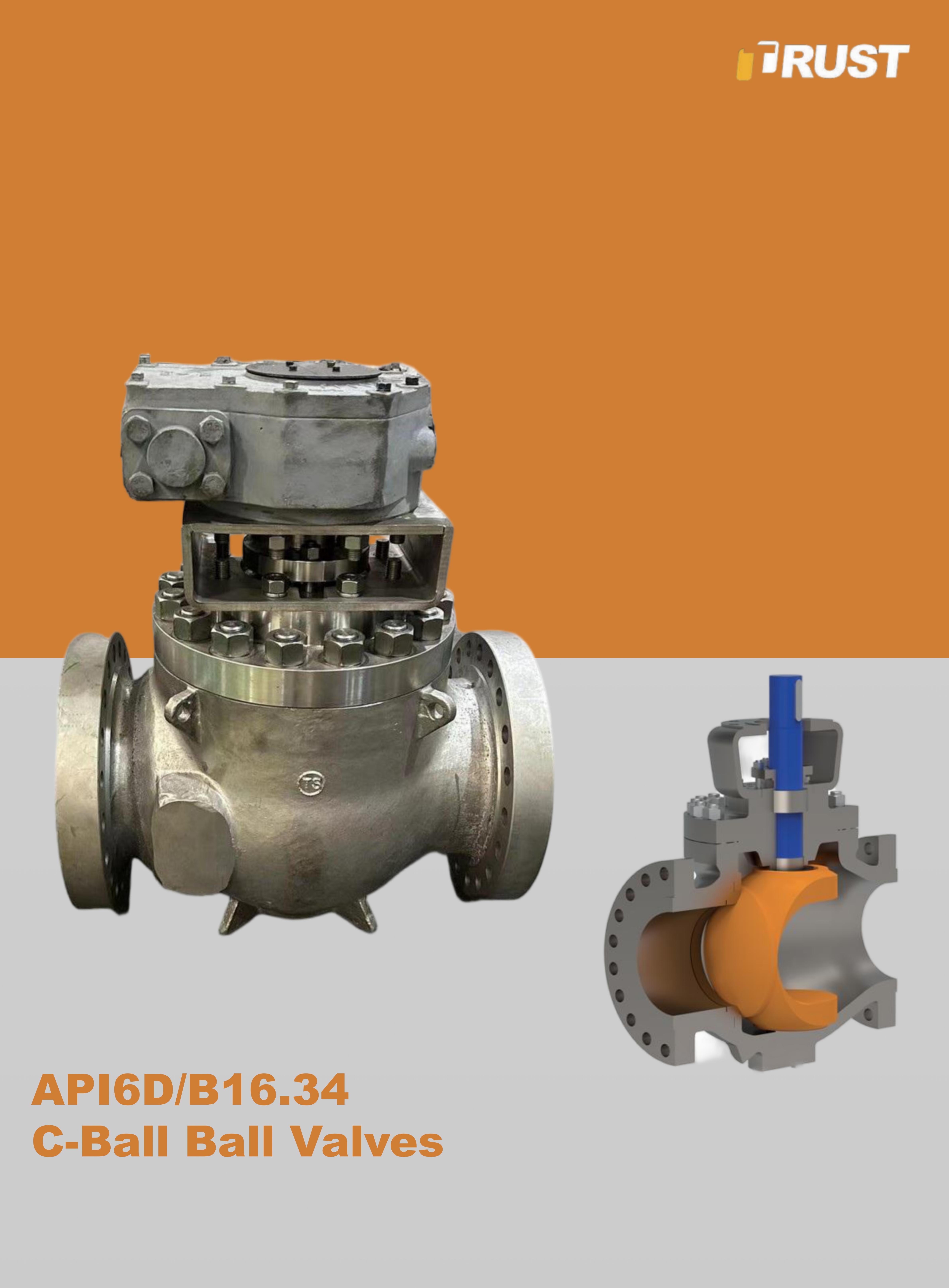
The compact design of C-Ball Ball Valves provides a significant advantage in industrial piping layouts by minimizing the physical space required for valve installation. Unlike traditional gate, globe, or butterfly valves, which often have extended bodies and require additional clearances, C-Ball Ball Valves are engineered with streamlined profiles that reduce overall length and height. This allows piping designers to place valves closer together, effectively shortening pipe runs and optimizing the overall footprint of the system. In industrial plants where space is limited, such as chemical processing facilities, oil and gas installations, or modular manufacturing units, the reduced valve dimensions help maximize the usable area, reduce structural constraints, and lower the overall construction and material costs. By conserving space, C-Ball Ball Valves also enable more compact routing of pipelines, which can improve accessibility and simplify maintenance procedures.
Simplified Layout and Installation
The compact dimensions of C-Ball Ball Valves facilitate a simpler and more flexible piping layout. Because less clearance is required around the valve for operation, maintenance, and inspection, engineers can design piping systems with tighter, more efficient configurations without compromising accessibility. This feature is particularly valuable in retrofitting projects or modular plant designs where existing space is constrained. The smaller valve body reduces the need for additional pipe elbows, extended flanges, or bypass lines to accommodate oversized valves, which streamlines the overall system architecture. As a result, installation becomes faster and less labor-intensive, while minimizing potential interference with other equipment, instruments, or structural components in the facility.
Integration with Automated Systems
In modern industrial operations, many C-Ball Ball Valves are equipped with pneumatic or electric actuators to enable automated control. The compact size of these valves provides additional advantages in automation by allowing actuators, positioners, and sensors to be mounted directly on the valve body without requiring excessive clearance. This integration is critical in confined areas where multiple automated valves are installed in proximity. By reducing the space required for both the valve and its actuation system, engineers can design more efficient control layouts, minimize cabling or tubing runs, and maintain organized instrumentation. This contributes to operational efficiency, faster response times, and more reliable system control, which are especially important in critical process applications or high-density piping networks.
Reduced Weight and Structural Support Requirements
The compact design of C-Ball Ball Valves also results in a lighter overall weight compared to larger, traditional valves. Lighter valves impose less load on pipelines, supports, and structural frames, which reduces the need for heavy-duty hangers, brackets, or additional reinforcement. This is particularly advantageous in elevated piping systems, overhead installations, or areas where structural capacity is limited. By reducing weight without sacrificing performance, C-Ball Ball Valves improve system stability, lower installation costs, and simplify handling during maintenance or replacement. The combination of compact size and reduced weight enhances the overall flexibility of the piping layout while maintaining robust mechanical performance under operating pressures.
Optimized Flow Control in Constrained Spaces
Despite their compact dimensions, C-Ball Ball Valves are capable of delivering full-bore or reduced-bore configurations that maintain efficient fluid flow. The streamlined design ensures minimal pressure drop across the valve while conserving space, allowing engineers to achieve optimal hydraulic performance without the need for larger, bulkier valves. This capability is especially beneficial in piping networks with tight spatial constraints or complex routing, where maintaining flow efficiency is critical for process reliability. The compact valve design, combined with high-performance sealing and flow characteristics, enables engineers to balance space efficiency with operational performance, ensuring that fluid handling requirements are met without unnecessary enlargement of the piping system.
 No.100 Xiejin Avenue, Funing County Economic Development Zone, Yancheng City, Jiangsu Province
  +86-515-87398111
  office@trustvalve.com