 English
 русский
 Français
 中文简体
中文简体 Português
 Español
 italiano
 عربى
عربى فارسی
فارسی
-
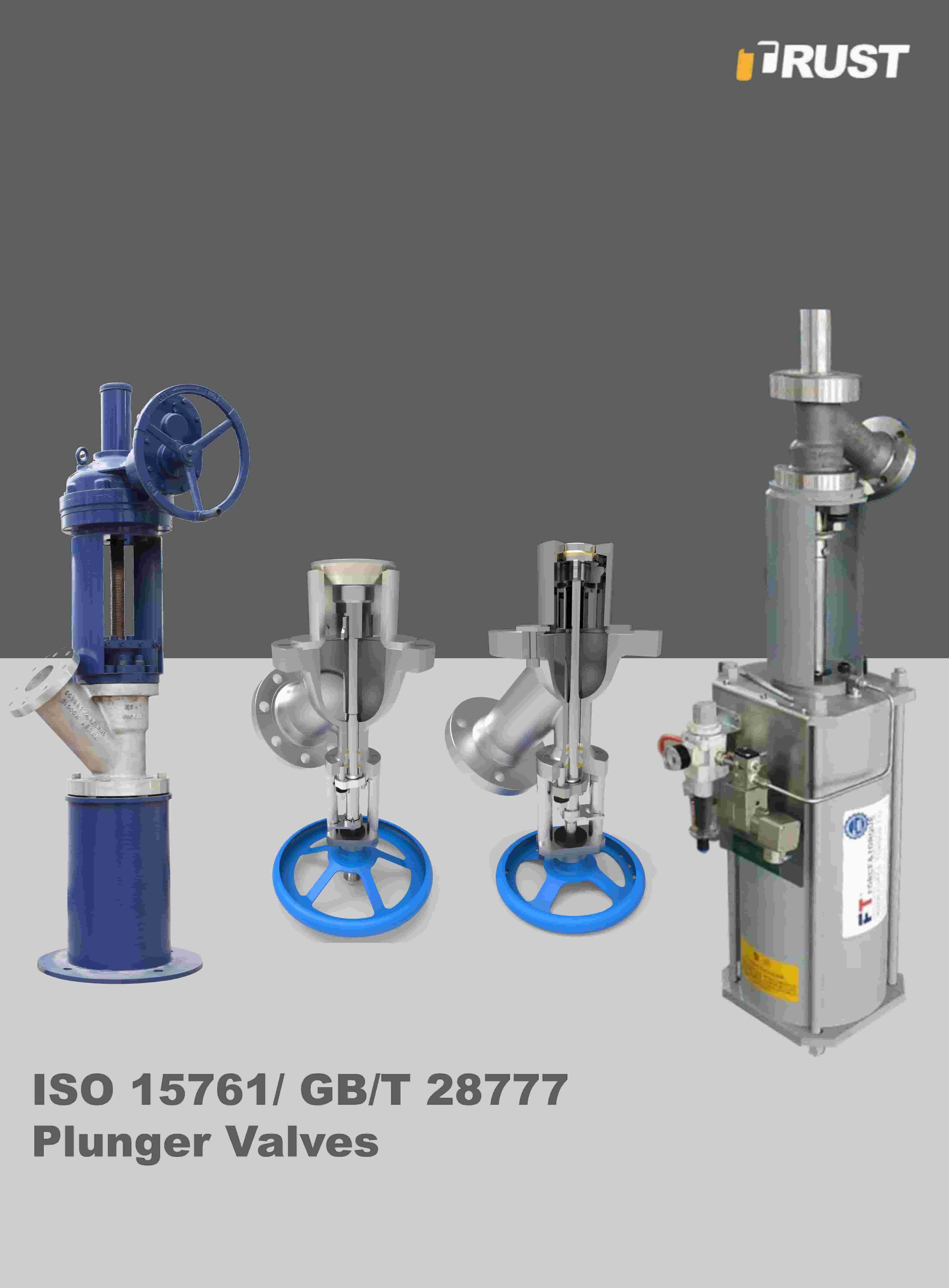
Precision Flow Modulation Mechanism of the Plunger valve: The Plunger valve ensures precise flow regulation in high-pressure fluid handling systems through its linear motion control mechanism, where the plunger moves axially within a cylindrical chamber to adjust the effective flow area. This design enables gradual and highly controlled variation of the flow passage, allowing operators to achieve accurate throttling and pressure regulation even under fluctuating system conditions. The geometry of the plunger and seat is carefully engineered to provide predictable flow characteristics and stable control performance across different operating ranges. By offering fine positional adjustment, the Plunger valve minimizes sudden flow changes and prevents pressure shocks within the pipeline. This precise modulation capability is particularly beneficial in applications requiring consistent pressure maintenance, such as water distribution systems, hydraulic processes, and high-pressure industrial fluid transport, where stable flow behavior directly influences system efficiency, safety, and operational reliability.
-
Advanced Sealing Technology and Leakage Control in the Plunger valve: The Plunger valve achieves reliable pressure control through advanced sealing systems designed to maintain tight shut-off and minimize leakage under high-pressure conditions. The sealing interface between the plunger and valve seat is typically manufactured with high precision and incorporates wear-resistant sealing materials such as elastomers, PTFE composites, or metal-to-metal sealing surfaces depending on application requirements. These sealing elements maintain consistent contact pressure even when operating conditions vary, ensuring stable pressure retention and preventing unintended fluid loss. The sealing design compensates for minor mechanical wear or thermal expansion, preserving long-term performance accuracy. Effective leakage prevention not only enhances pressure stability but also improves energy efficiency and system safety by eliminating pressure fluctuations caused by fluid escape, making the Plunger valve suitable for critical industrial environments where precise pressure management is essential.
-
Pressure Balancing and Flow Stabilization Design of the Plunger valve: The Plunger valve incorporates pressure balancing features that help maintain stable operation under varying upstream and downstream pressure conditions. The internal configuration is designed to distribute hydraulic forces evenly around the plunger, reducing the influence of pressure differentials on valve movement and ensuring consistent control accuracy. This pressure-balanced structure minimizes the operating force required for actuation and prevents unintended displacement caused by sudden pressure changes. Additionally, the valve’s internal flow path is engineered to reduce turbulence and flow instability, which can otherwise cause vibration, noise, and inconsistent pressure regulation. By stabilizing fluid dynamics within the valve body, the Plunger valve enhances control precision, improves responsiveness to system adjustments, and ensures reliable performance in high-pressure environments where maintaining steady operating conditions is critical.
-
Material Strength and Structural Integrity of the Plunger valve: The Plunger valve ensures accurate flow and pressure control through robust structural construction using high-strength materials capable of withstanding extreme mechanical stress and pressure loads. Components such as the valve body, plunger, and seat are typically manufactured from corrosion-resistant alloys, stainless steel, or hardened materials that resist deformation, wear, and fatigue. This structural integrity prevents dimensional changes that could otherwise affect flow accuracy or sealing performance. The use of durable materials also ensures consistent performance under high temperatures, aggressive fluids, and prolonged exposure to pressure cycling. By maintaining precise internal clearances and mechanical stability over time, the Plunger valve preserves its flow regulation characteristics and pressure control capability, supporting reliable operation in demanding industrial applications.
-
Actuation Control and Response Accuracy of the Plunger valve: The Plunger valve achieves precise flow and pressure regulation through its responsive actuation mechanisms, which may include manual, electric, hydraulic, or pneumatic control systems. These actuation methods provide accurate positioning of the plunger, allowing fine adjustment of the flow rate and pressure levels according to system requirements. Advanced actuation systems may incorporate feedback control or automated monitoring, enabling real-time adjustment to changing operating conditions. This responsiveness ensures that the valve can quickly adapt to variations in pressure demand, flow rate, or system load without causing instability. The ability to maintain accurate plunger positioning also reduces the risk of over-pressurization or insufficient flow control, thereby enhancing operational safety and process consistency.


 No.100 Xiejin Avenue, Funing County Economic Development Zone, Yancheng City, Jiangsu Province
  +86-515-87398111
  office@trustvalve.com