 English
 русский
 Français
 中文简体
 Português
 Español
 italiano
 عربى
 فارسی


Stainless Steel Valves: The Advantage Is More Than Corrosion Resistance
A stainless steel valve can outlast a carbon steel valve many times over—or fail early—depending on grade, trim, and the duty it actually sees. The useful question is not “stainless or not?” but “which stainless, in which design, for which service?”
A procurement team comparing a carbon steel gate valve with a stainless steel equivalent often sees a higher purchase price and stops there. That comparison is incomplete. The premium buys a different corrosion margin, a different maintenance profile, and sometimes a different operating temperature window. It also buys risk if the grade is chosen by habit rather than by service condition.
For process plants, the advantage of stainless steel valves is best measured over the installed life: leakage events avoided, repainting and replacement cycles reduced, and production interruptions prevented. The material is not a universal upgrade. It is a controlled answer to a specific set of corrosion, temperature, and cleanliness demands.
Lower Lifecycle Cost, Not Necessarily a Lower Price
Stainless steel costs more per kilogram than carbon steel, and that difference is visible on the purchase order. The case for stainless becomes clearer when the total cost includes inspection, coating repair, shutdown access, and replacement labour. In wet, saline, chemical, or high-purity service, carbon steel needs coatings, inhibitors, or frequent checks. A stainless body can remove some of that maintenance burden.
The saving is not only material. It is access, scaffolding, downtime, and the labour required to replace a valve that has corroded in place. That is why two plants can buy the same nominal valve and reach different conclusions about value: one is protecting a dry utility line, the other is fighting chloride attack in a wet process area.
Stainless steel is a family of alloys, not a single upgrade. The advantage begins with the grade and ends with the sealing system.
That distinction matters in procurement. Two valves can carry the same “stainless steel” description and still behave very differently if one uses 304 trim and the other uses 316L wetted parts, or if one has a soft seat and the other has a metal seat for abrasive service. For a closer look at upgrade decisions, see this guide to what to consider before upgrading your valves.
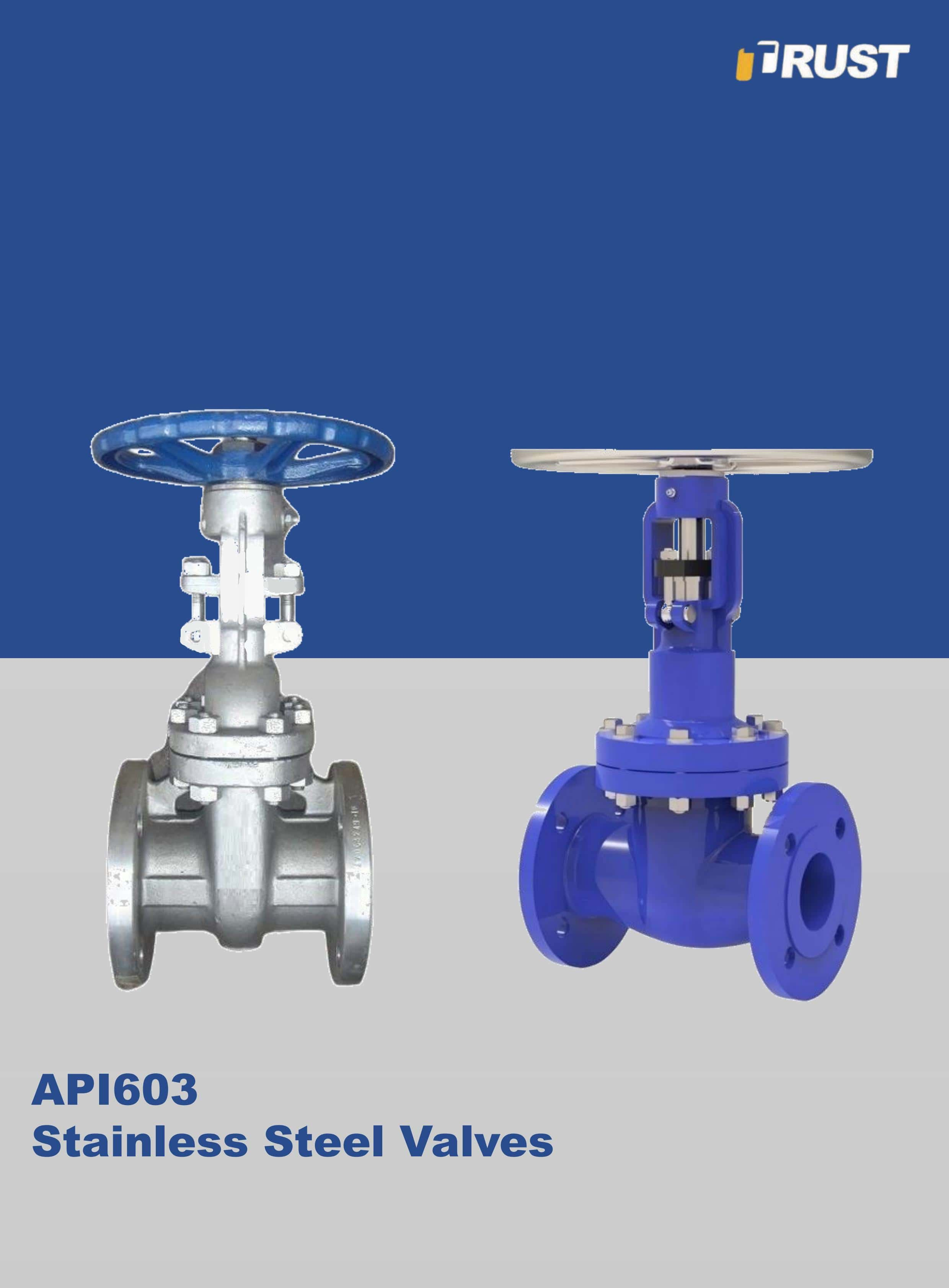 Stainless Steel Gate, Globe, and Check ValvesCompare 304, 304L, 316, and 316L valve options for corrosive chemical, marine, and process duties before specifying upgrades.View Product →
Corrosion Resistance Is Grade-Specific
The first advantage most buyers name is corrosion resistance. The statement is true, but incomplete. 304 stainless steel handles many mild atmospheric and fresh-water duties. 316 adds molybdenum and is generally more resistant to chlorides and chemical process streams. Duplex grades offer higher strength and better chloride stress-corrosion resistance than common austenitic grades, but they are not immune to every environment.
Warning: “Stainless” does not mean “chloride-proof.” 316/316L can still suffer pitting or stress-corrosion cracking in warm, concentrated chloride service. For sour oil and gas duty, verify compliance with NACE MR0175/ISO 15156 rather than assuming a grade is acceptable.
| Material | Good fit | Main limitation | Procurement note |
|---|---|---|---|
| Carbon steel | Dry, non-corrosive, or protected service | Rusts in wet or chemical atmospheres | Lowest first cost; coatings and inspection add lifecycle cost |
| 304 stainless | Mild corrosives, fresh water, general process | Limited chloride resistance | Confirm trim and seats, not just the body |
| 316/316L stainless | Chemical, marine, and many process streams | Pitting and stress-corrosion cracking in warm chlorides | Check molybdenum content and certification |
| Duplex 2205 | High-strength, chloride-bearing service | Not suitable for every acid or high-temperature range | Confirm welding and NACE requirements |
The practical point is simple: the valve body grade is only one line in the specification. Seat material, stem material, packing, and internal coatings can decide whether the valve survives. A stainless body with ordinary carbon steel internals gives away much of the corrosion advantage before the valve is even installed.
Heat, Cold, and Pressure: Where Stainless Earns Its Keep
Stainless steels keep useful strength at elevated temperatures, but the valve is more than the body. Seat materials, packing, gaskets, and trim decide the real temperature limit. A stainless body with a standard soft seat may still be unsuitable for high-temperature service. Conversely, a cryogenic valve may use a stainless body and extended bonnet to keep the packing at a workable temperature.
In low-temperature duty, stainless steel's toughness and clean surface help, but the design must manage thermal contraction, frost formation, and tight shutoff. The same logic applies to high-pressure service: the body may be stainless, while the trim and seat are selected for erosion, galling, and pressure drop. The material choice and the mechanical design have to be reviewed together.
Success factor: Specify the full wetted path—body, trim, ball or disc, stem, seat, and gaskets—as one system. A stainless body with carbon steel internals gives up much of the advantage.
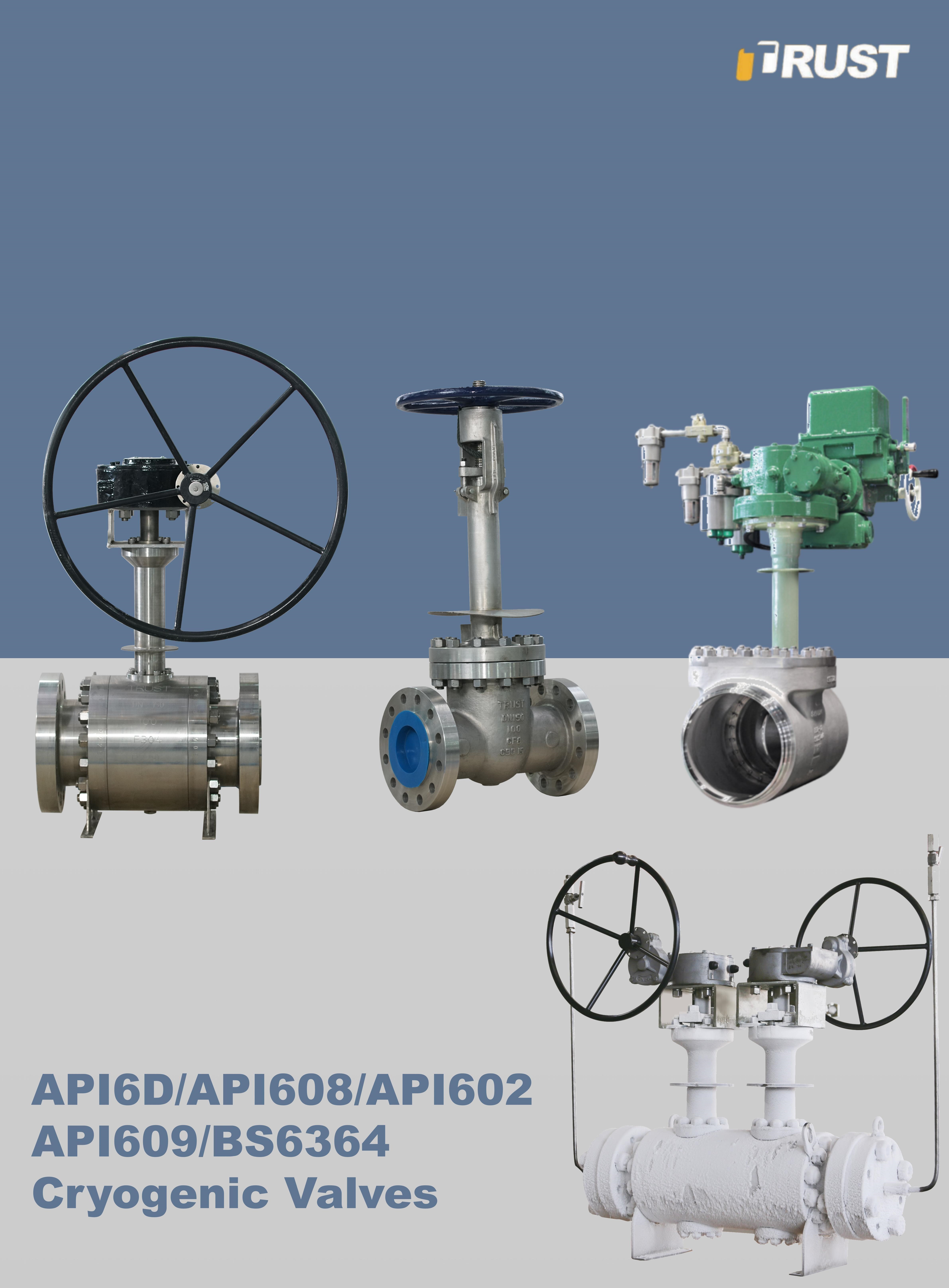 Cryogenic Valves for LNG and Industrial Gas ServiceReview cryogenic-grade body, trim, packing, and extended-bonnet designs for LNG and industrial gas duties where sealing and material integrity matter.View Product →
Design Details Decide the Outcome
Stainless steel valves fail for reasons that are often visible before installation: wrong grade, poor welding, galling between stainless surfaces, inadequate packing, or a seat material that cannot handle the process fluid. Galling is a particular concern with stainless-on-stainless threads and sliding surfaces. Good designs use appropriate hardfacing, surface treatment, or dissimilar materials where movement occurs.
For abrasive or severe-service duty, a standard stainless ball valve may not be the best answer. Metal-seated designs can offer better resistance to erosion and high temperature, but they demand tighter alignment and more careful actuator sizing. The material advantage only holds when the mechanical design supports it.
- Check the specification, not the label: require grade certificates and confirm the wetted parts.
- Match seat and seal materials to the fluid: PTFE, PEEK, and metal seats have different temperature and chemical limits.
- Review stem and packing design: fugitive-emission requirements and thermal cycling affect the choice.
- Confirm the pressure class and test standard: a stainless body does not compensate for an undersized valve.
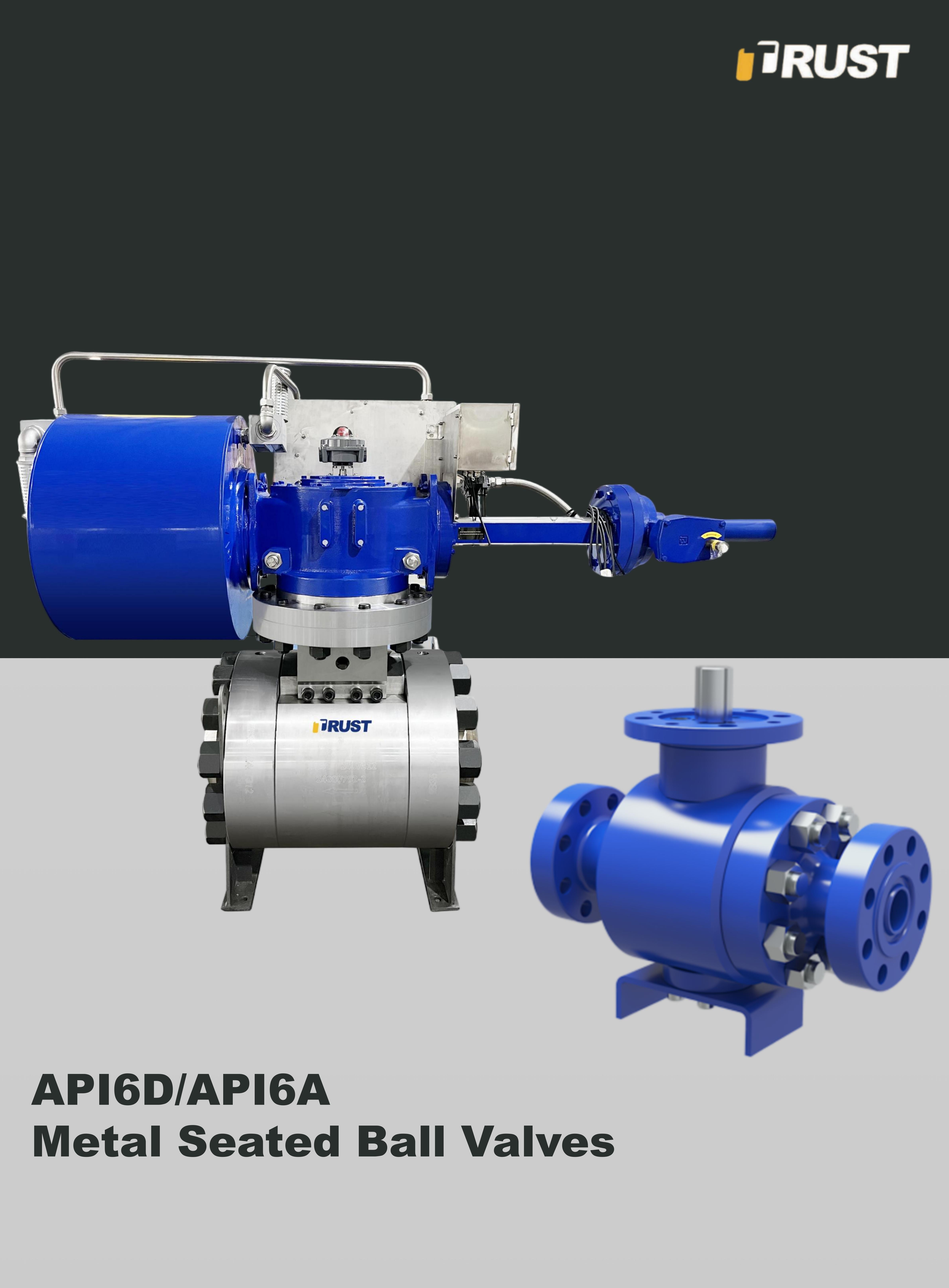 Metal-Seated Ball Valves for Severe ServiceCheck metal-to-metal sealing, fire-safe and sour-service options for abrasive, high-temperature, or high-pressure duties before comparing alternatives.View Product →
A Practical Selection Framework
Use the following sequence when comparing stainless steel valves with carbon steel or alternative alloys. It keeps the decision tied to service conditions rather than habit.
- Define the fluid: chemistry, chloride level, pH, solids, and trace contaminants.
- Set the operating envelope: continuous and upset temperature, pressure class, and cycling frequency.
- Choose the alloy: start with 304, 316/316L, duplex, or a higher alloy only after checking the corrosion map.
- Select the valve type and trim: gate, globe, check, ball, butterfly, or specialty design must match the control and isolation duty.
- Verify compliance: NACE, fire-safe, fugitive-emission, and project-specific standards may override a lower-cost choice.
For oil and gas applications, the valve often sits at the intersection of corrosion, pressure, and safety. A stainless steel valve may be the right default for many utility and process lines, but not for every wellhead or pipeline location. The operating envelope and the applicable standard should decide. See the oil and gas industry applications for context on where these valves are typically used.
Info: If the existing valve is failing by corrosion, do not simply replace it with the same stainless grade. Identify the failure mode first—general corrosion, pitting, crevice attack, erosion, or mechanical damage—because each points to a different fix.
Where Stainless Steel Valves Are the Wrong Answer
Stainless is not the best choice for every duty. In strong reducing acids, some high-chloride environments, or abrasive slurries where wear dominates, a higher alloy, lined valve, or different design may be more economical. Carbon steel with a suitable coating can also be the rational choice for dry, protected, non-corrosive service.
Danger: Do not use a stainless valve as a blanket fix for a corrosion problem without confirming the alloy against the actual concentration and temperature. A more expensive grade can still fail quickly in the wrong environment.
This is why the purchase decision should include the maintenance and reliability team, not only the buyer comparing unit prices. The cheapest acceptable valve is not always the lowest-cost valve over its life.
Conclusion: Buy the Alloy for the Duty
The advantage of stainless steel valves is real, but it is conditional. Stainless steel offers a strong combination of corrosion resistance, temperature capability, cleanability, and long service life when the grade and design match the process. It offers poor value when the material is selected by default, when the trim is overlooked, or when the failure mode is mechanical rather than chemical.
For a procurement decision, compare the installed cost over the expected life: purchase price, inspection, coating, downtime, replacement, and safety. Then confirm the grade, wetted parts, seat design, and compliance requirements. That approach captures the genuine advantage of stainless steel valves without turning a material choice into an expensive assumption.
If you are narrowing the options for a specific line, start with the process conditions and work backward to the valve. The right stainless grade is the one that survives the fluid, the temperature, and the maintenance regime—not simply the one that carries the stainless label.




 No.100 Xiejin Avenue, Funing County Economic Development Zone, Yancheng City, Jiangsu Province
 +86-515-87398111
 office@trustvalve.com
