 English
 русский
 Français
 中文简体
中文简体 Português
 Español
 italiano
 عربى
عربى فارسی
فارسی

Materials & Engineering
A close comparison of two of the most widely specified valve body materials — where each one earns its place, and where the wrong choice quietly costs you.
The Core Difference Between Cast Iron and Cast Steel Valves
The main difference between cast iron and cast steel valves comes down to tensile strength, pressure rating, and temperature tolerance. Cast iron valves are more brittle, generally limited to lower pressure classes (typically up to Class 250 or PN16–PN25), and are best suited for water, wastewater, and low-pressure gas applications. Cast steel valves, by contrast, offer significantly higher tensile strength (often 70,000 PSI or more compared to cast iron's 30,000–40,000 PSI), tolerate higher temperatures and pressures, and are the preferred choice for steam, oil, gas, and other high-pressure industrial systems. A cast steel gate valve, for instance, can typically operate safely at pressures and temperatures well beyond what a cast iron equivalent could withstand without risk of cracking.
Choosing between the two materials isn't simply about cost. It requires evaluating the fluid being handled, the operating pressure and temperature, exposure to mechanical shock, and the expected service life of the piping system. The sections below break down these factors in detail to help you make an informed selection.
Material Composition and Manufacturing Process
Cast iron valves are produced from an iron-carbon alloy containing roughly 2% to 4% carbon, along with silicon and other trace elements. This high carbon content forms graphite flakes (in gray cast iron) or graphite nodules (in ductile cast iron) within the metal matrix, which gives cast iron its characteristic brittleness but also excellent castability and vibration-damping properties. The casting process is relatively straightforward, allowing for complex valve body shapes to be produced at a lower cost.
cast steel valves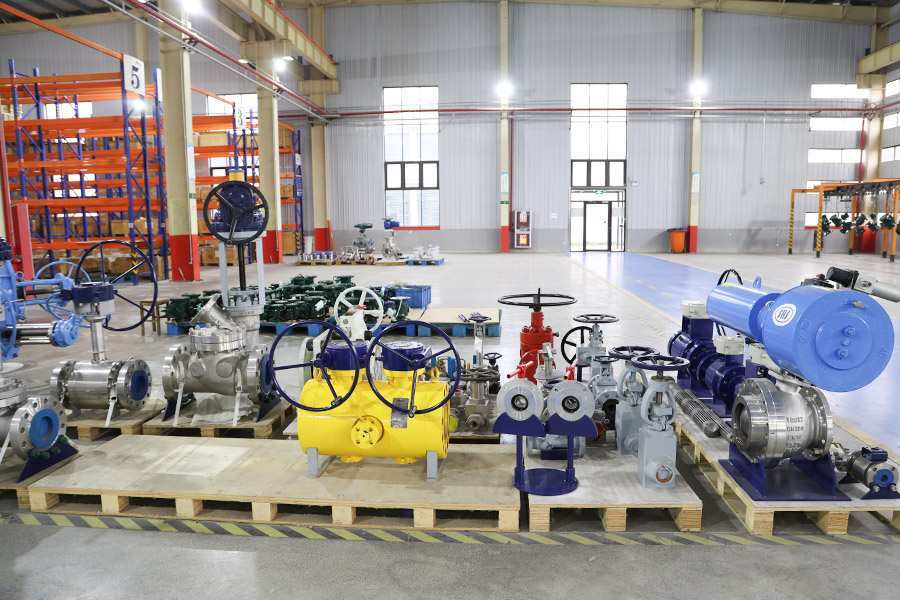
Cast steel valves are made from an alloy with a much lower carbon content, combined with elements such as manganese, chromium, and nickel — a microstructure built to stay ductile under stress rather than fracture.
The manufacturing process for cast steel also often includes additional heat treatment steps, such as normalizing or quenching and tempering, to refine the grain structure and improve mechanical properties. These extra processing steps are one reason a gate valve cast steel body typically costs more to produce than a comparable cast iron valve.
Mechanical Strength and Pressure-Temperature Ratings
Mechanical strength is where the two materials diverge most sharply. Cast iron has good compressive strength but relatively poor tensile and impact strength, meaning it can crack or fracture under sudden pressure spikes, water hammer, or mechanical shock. Cast steel offers a much better balance of tensile strength, ductility, and impact resistance, making it far more forgiving in dynamic or high-stress environments.
| Property | Cast Iron Valve | Cast Steel Valve |
|---|---|---|
| Tensile Strength | 30,000–40,000 PSI | 70,000 PSI or higher |
| Typical Pressure Class | Up to Class 250 / PN25 | Class 300 to Class 2500+ |
| Max Operating Temperature | Approx. 232°C (450°F) | Up to 425°C (800°F) or higher |
| Impact Resistance | Low — brittle under shock | High — ductile under stress |
| Typical Service | Water, wastewater, low-pressure gas | Steam, oil, high-pressure gas, petrochemical |
Because of this strength gap, engineers designing systems with pressure surges, thermal cycling, or vibration almost always specify cast steel. A cast steel gate valve installed in a steam line, for example, can safely absorb thermal expansion stresses that would likely fracture a cast iron body over repeated cycles.
Corrosion Resistance and Long-Term Durability
Cast iron valves generally perform well in water and mildly corrosive environments, particularly when internally lined with epoxy coating or cement mortar. However, unprotected cast iron can be susceptible to graphitic corrosion over long exposure periods, where the iron matrix leaches away and leaves a weakened graphite skeleton behind. This process is gradual but can eventually compromise pressure integrity.
Cast steel, especially when alloyed with chromium or produced as stainless steel, offers superior resistance to corrosion, erosion, and high-temperature oxidation. This makes it the preferred material for aggressive process fluids, high-velocity flow, and outdoor installations exposed to weathering. That said, plain carbon cast steel without additional alloying can still corrode in the presence of moisture, so coating or material selection still matters for the specific service environment.
Common Failure Modes to Watch For
- Cast iron: brittle fracture from water hammer or freeze damage
- Cast iron: graphitic corrosion in aged underground piping
- Cast steel: stress corrosion cracking in chloride-rich environments without proper alloy selection
- Cast steel: weld seam fatigue in valves with fabricated body sections
Warning
Unlined cast iron exposed to aggressive water chemistry for decades can lose significant wall strength through graphitic corrosion, even while looking structurally sound on the outside.
Weight, Installation, and Handling Considerations
Cast iron valves are generally bulkier and heavier for a given pressure class because more wall thickness is needed to compensate for the material's lower tensile strength. While this adds weight during transport and installation, it also means cast iron valves often require less specialized rigging for smaller diameters, and their lower cost per unit makes them attractive for large-scale municipal projects where dozens or hundreds of valves are needed.
Cast steel valves can often achieve the same pressure rating with a thinner, more compact body due to the material's higher strength-to-weight ratio. This can simplify installation in tight piping layouts and reduce support structure requirements. However, cast steel bodies, particularly larger ones, may require more careful handling during installation because a single unit often represents a significantly higher cost investment than its cast iron counterpart.
Info
Strength-to-weight advantages in cast steel often translate into lighter support structures and simpler pipe rack design — a benefit that compounds across a large facility.
Cost Comparison: Upfront Price vs. Lifecycle Value
On a purely upfront basis, cast iron valves are almost always the more economical option. Lower raw material cost, simpler casting processes, and less intensive heat treatment combine to make cast iron valves 20% to 40% cheaper than equivalent cast steel valves in many product lines. For low-pressure water distribution or non-critical service lines, this cost advantage often makes cast iron the practical default.
However, lifecycle cost tells a more nuanced story. In high-pressure or high-temperature service, a cast iron valve may need to be replaced or repaired more frequently due to cracking or corrosion, while a properly specified gate valve cast steel body can remain in reliable service for decades under the same conditions. When factoring in downtime, replacement labor, and potential safety risks from valve failure, cast steel frequently proves to be the more cost-effective choice over the life of a critical system, even though its initial price is higher.
Success
Matching material to lifecycle demand — not just upfront price — is the single habit that most reliably prevents costly mid-life valve replacement.
Typical Applications for Each Valve Material
Understanding where each material excels helps clarify the selection process for a specific project.
Where Cast Iron Valves Are Typically Used
- Municipal water distribution and treatment plants
- Irrigation and agricultural water systems
- Low-pressure HVAC chilled water and heating loops
- Fire protection sprinkler systems within standard pressure limits
- Wastewater and sewage handling lines
Where Cast Steel Valves Are Typically Used
- High-pressure steam distribution and boiler feed lines
- Oil and gas pipelines, refineries, and petrochemical plants
- Power generation facilities with high thermal cycling
- Chemical processing lines carrying aggressive or high-temperature media
- Marine and offshore piping subject to high mechanical stress
In practice, a cast steel gate valve is the standard choice wherever ASME Class 300 or higher pressure ratings are specified, since cast iron simply cannot meet those requirements safely.
How to Choose the Right Valve Material for Your System
Selecting between cast iron and cast steel valves should follow a structured evaluation rather than defaulting to whichever option is cheapest. Consider the following factors before finalizing a purchase:
- Determine the maximum operating pressure and temperature of the system, including any anticipated surges
- Identify the fluid type and its corrosive or erosive characteristics
- Assess exposure to mechanical shock, vibration, or thermal cycling
- Compare upfront valve cost against expected maintenance and replacement costs over the system's service life
- Confirm compliance with relevant industry standards, such as ASME, API, or local plumbing and fire codes
Danger
Installing a cast iron valve in a service it was never rated for — high-pressure steam or thermal cycling in particular — risks sudden brittle failure rather than a gradual, detectable leak.
For low-pressure water, irrigation, or general HVAC applications where budget is a primary concern, cast iron valves remain a reliable and cost-effective solution. For any application involving steam, high-pressure gas, petrochemical processing, or significant thermal cycling, a gate valve cast steel body is the safer, more durable choice despite the higher initial investment. Matching the valve material to the actual operating conditions, rather than choosing based on price alone, is the single most important step in avoiding premature failure and unplanned downtime.


 No.100 Xiejin Avenue, Funing County Economic Development Zone, Yancheng City, Jiangsu Province
  +86-515-87398111
  office@trustvalve.com