 English
 русский
 Français
 中文简体
中文简体 Português
 Español
 italiano
 عربى
عربى فارسی
فارسی

Materials & Steam Systems
Where cast iron earns its place in a steam line, and the exact point where its limits become a real safety risk.
Can Cast Iron Valves Handle Steam Applications?
Cast iron valves can handle steam applications, but only within strict pressure and temperature limits — typically saturated steam service up to around 150 PSI and 366°F (186°C). Beyond that threshold, cast iron becomes structurally unreliable due to its brittleness and susceptibility to thermal shock, and a cast steel valve is required instead. For low-pressure heating systems, some steam-heated process equipment, and light industrial steam lines, cast iron valves remain an accepted and cost-effective choice. For high-pressure steam, superheated steam, or any system with frequent thermal cycling, cast iron is not a safe option and code-compliant installations will call for cast steel or forged steel valve bodies.
The rest of this article explains exactly why cast iron has these limitations, what pressure and temperature classes are appropriate, and how to determine whether your steam system calls for cast iron or a more robust alternative such as cast steel globe valves.
Why Cast Iron Has Limits in Steam Service
Steam service is uniquely demanding on valve materials because it combines elevated temperature, elevated pressure, and repeated thermal cycling as the system heats up and cools down. Cast iron's microstructure, which contains graphite flakes distributed through an iron matrix, gives the material good compressive strength but relatively poor tensile strength and almost no ductility. Under the thermal expansion and contraction that occurs every time a steam line is started up or shut down, this brittleness becomes a real liability.
A sudden temperature differential — hot steam meeting a cold valve body at startup — can cause thermal shock cracking long before pressure alone would ever be the problem.
Repeated thermal cycling can create microscopic stress fractures in a cast iron valve body over time, particularly around the bonnet joint, flange connections, and areas of thinner wall section. This is why industry standards and manufacturer guidelines consistently cap cast iron valve use at saturated, low-pressure steam rather than superheated or high-pressure steam service.
cast steel valve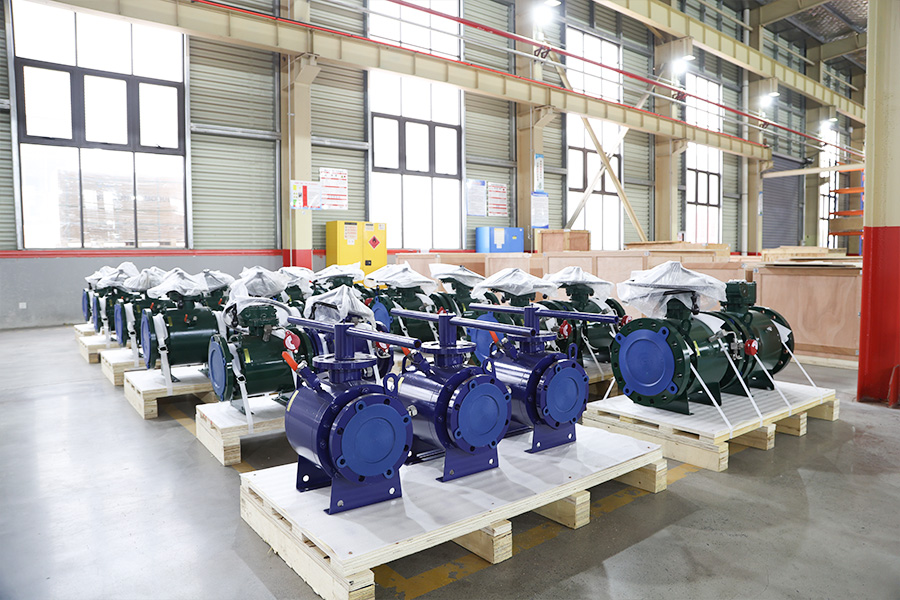
Pressure and Temperature Limits for Cast Iron in Steam Systems
Cast iron valves used in steam service are typically rated to ASME Class 125 or Class 250 standards, which correspond to specific pressure-temperature combinations. As steam temperature rises, the allowable pressure rating for cast iron drops significantly, since the material loses strength more quickly at elevated temperatures than steel does.
| Valve Class | Material | Max Steam Pressure | Max Temperature |
|---|---|---|---|
| Class 125 | Cast Iron | Approx. 15 PSI (saturated) | 353°F (178°C) |
| Class 250 | Cast Iron | Approx. 150 PSI (saturated) | 366°F (186°C) |
| Class 300 | Cast Steel | Approx. 750 PSI | Up to 700°F (371°C) |
| Class 600 | Cast Steel | Approx. 1,500 PSI | Up to 850°F (454°C) |
As the table shows, cast iron's practical ceiling sits well below what a cast steel valve can safely handle. Once a steam system moves into superheated territory or requires pressures above roughly 150 PSI, cast iron is simply outside its safe operating envelope.
Saturated Steam vs. Superheated Steam: Why It Matters
Not all steam is equal from a valve material standpoint. Saturated steam exists at a fixed temperature for a given pressure and tends to behave more predictably, with less risk of extreme thermal spikes. Superheated steam, however, is heated well beyond its saturation point and can reach temperatures far higher than the pressure alone would suggest.
Key Distinctions Between Steam Types
- Saturated steam: temperature is directly tied to pressure, more predictable thermal behavior
- Superheated steam: temperature exceeds the saturation point, often used in power generation and heavy industry
- Cast iron: generally limited to saturated, low-pressure steam only
- Cast steel: suitable for both saturated and superheated steam across a wide pressure range
Because superheated steam introduces higher thermal stress and a greater risk of rapid temperature swings, virtually all superheated steam applications require cast steel or forged steel valves rather than cast iron, regardless of the nominal pressure involved.
Common Failure Risks When Cast Iron Is Used Beyond Its Rating
When cast iron valves are installed in steam service beyond their rated limits, the failure modes tend to be sudden rather than gradual, which makes them particularly hazardous in industrial settings. Because cast iron lacks the ductility to deform under stress the way steel does, a valve body under excessive thermal or pressure stress is more likely to crack or shatter than to simply leak.
Typical Failure Scenarios
- Bonnet or body cracking from thermal shock during rapid startup
- Flange cracking from repeated expansion and contraction cycles
- Stem or bonnet joint failure under pressure spikes exceeding the Class 250 rating
- Sudden brittle fracture rather than a slow, detectable leak
Danger
These risks are precisely why plumbing and mechanical codes explicitly restrict cast iron steam valves to low-pressure applications and require steel bodies for anything beyond that threshold.
Where Cast Iron Valves Are Commonly Approved for Steam Use
Despite their limitations, cast iron valves remain widely used and fully appropriate in a range of low-pressure steam applications where their lower cost and adequate performance make them the practical choice.
Typical Approved Applications
- Low-pressure building heating systems (under 15 PSI)
- Steam radiators and convector heating loops
- Commercial laundry and light process steam equipment operating within Class 250 limits
- Steam humidification systems in HVAC applications
- Condensate return lines where pressure and temperature remain moderate
Success
In these contexts, cast iron gate, globe, and check valves have a long track record of reliable service, provided the system stays within the manufacturer's stated pressure-temperature envelope.
When to Choose Cast Steel Instead
Any steam system operating above roughly 150 PSI, involving superheated steam, or subject to frequent and rapid thermal cycling should specify cast steel rather than cast iron. Cast steel's higher tensile strength and ductility allow it to absorb thermal stress without cracking, and its allowable pressure-temperature range extends far beyond what cast iron can safely support.
Globe valves in particular are a common point of failure when the wrong material is chosen, since their throttling function generates additional turbulence, erosion, and localized thermal stress compared to a simple on/off gate valve. For steam service requiring flow regulation or throttling at elevated pressure, cast steel globe valves are the standard industry choice because they combine precise flow control with the strength needed to withstand high-pressure, high-temperature steam without risk of brittle failure.
Signs You Need to Upgrade From Cast Iron to Cast Steel
- System pressure regularly exceeds 150 PSI
- Steam is superheated rather than saturated
- The valve is subjected to frequent startup and shutdown cycles
- The application involves throttling or flow modulation rather than simple isolation
- Local code or engineering specification explicitly requires a steel-bodied valve
Maintenance and Inspection Practices for Cast Iron Steam Valves
Even within their approved operating range, cast iron steam valves benefit from regular inspection to catch early signs of stress before they progress into failure. Because cracking in cast iron is often sudden rather than gradual, proactive maintenance is the best defense against unplanned downtime or safety incidents.
- Inspect valve bodies and bonnets visually for hairline cracks, especially near flange connections
- Avoid rapid, uncontrolled startup that introduces hot steam into a cold valve body
- Verify system pressure and temperature remain within the valve's stated Class rating at all times
- Check for external corrosion or insulation damage that could accelerate material fatigue
- Replace any valve showing signs of stress cracking immediately rather than continuing operation
Info
Following a controlled warm-up procedure, where steam is introduced gradually rather than all at once, significantly reduces the thermal shock risk that is the leading cause of cast iron valve failure in steam systems.
Making the Right Material Choice for Your Steam System
Deciding whether cast iron is appropriate for a given steam application comes down to a straightforward evaluation of operating pressure, temperature, and cycling frequency. For low-pressure heating and light process steam within Class 250 limits, cast iron remains a proven and economical option. For anything approaching or exceeding those limits — including most industrial, power generation, and process steam applications — a cast steel valve is the safer and more durable choice, and where flow throttling is required, cast steel globe valves specifically are built to handle both the pressure and the added mechanical stress of regulating steam flow.
The decision should never be based on upfront cost alone — a modest premium in material buys a significantly wider margin of safety.
Ultimately, a cast iron valve installed outside its rated envelope introduces a real risk of sudden, brittle failure, while the modest cost premium of cast steel buys significantly greater safety margin, longer service life, and reliable performance across a much wider range of steam conditions.

 No.100 Xiejin Avenue, Funing County Economic Development Zone, Yancheng City, Jiangsu Province
  +86-515-87398111
  office@trustvalve.com