 English
 русский
 Français
 中文简体
中文简体 Português
 Español
 italiano
 عربى
عربى فارسی
فارسی

Industrial Valve Engineering · Field Notes
Plug Valves Under Pressure
A closer look at where plug valve performance quietly falls short of ball valves — and where it still wins.
Compared to ball valves, plug valves generally demand significantly higher operating torque, experience faster wear on sealing surfaces due to constant metal-to-metal or metal-to-seat contact, and typically provide a smaller flow port relative to the pipeline diameter unless a full-port design is specified. These three limitations — torque, wear, and flow restriction — are the primary reasons engineers weigh plug valves carefully against ball valves before specifying them for a given application.
While plug valves remain popular for their simple construction, tight shutoff, and durability in abrasive or slurry service, they are not always the most efficient choice for frequent cycling, large-diameter lines, or automated systems where actuator sizing and energy consumption matter. Understanding these operational trade-offs in detail helps buyers, engineers, and plant operators select the correct valve type for their specific pressure, temperature, and service conditions.
plug valves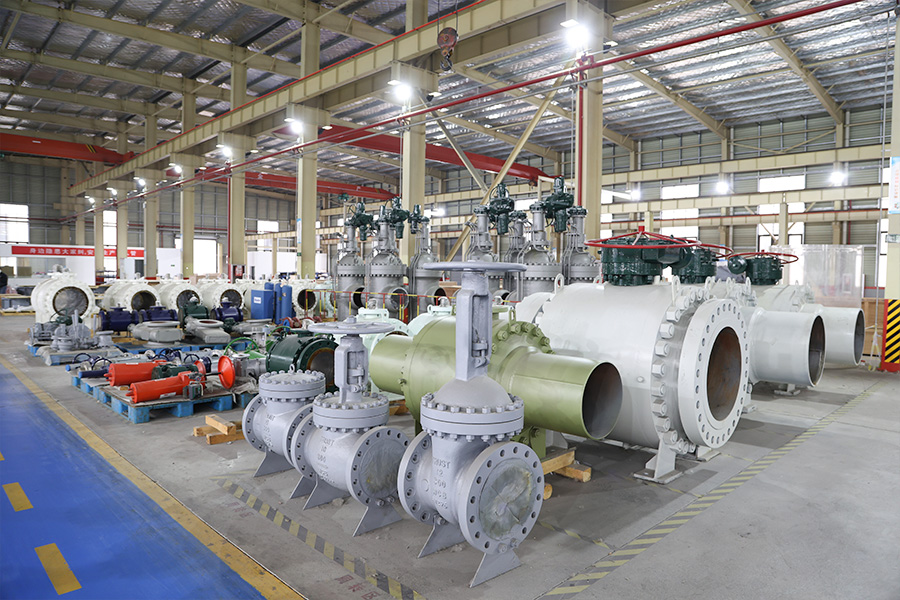
Higher Actuation Torque Requirements
One of the most consistently cited limitations of plug valves is the amount of torque needed to rotate the plug within the body. Because the tapered or cylindrical plug maintains continuous contact with the valve seat across nearly its entire circumference, friction is much higher than in a ball valve, where the ball typically contacts the seat only along a narrow sealing band. This friction increases proportionally with line pressure, valve size, and the type of coating or lubrication used.
Why Torque Matters in Practice
High torque requirements directly affect actuator selection. A plug valve in a 12-inch line handling high-pressure fluid may require an actuator two to three times larger than what a comparably sized ball valve would need. This translates into higher capital costs for pneumatic or electric actuators, larger mounting brackets, and increased power consumption in automated systems. In manually operated plug valves, high torque can also make emergency shutoff more physically demanding for operators, particularly in larger nominal sizes.
- Torque values for plug valves can be 2 to 4 times higher than equivalent ball valves at the same pressure class.
- Lubricated plug valve designs reduce friction but require ongoing sealant injection to maintain low torque over time.
- Non-lubricated plug valves with sleeve liners lower torque somewhat but are more sensitive to temperature extremes.
Accelerated Wear on Sealing Surfaces
Because the plug rotates while remaining in full contact with the body seat, repeated cycling gradually abrades the sealing surfaces. Over thousands of operating cycles, this contact can produce scoring, galling, or thinning of the seal layer, especially in non-lubricated designs without a resilient liner. Ball valves, by contrast, often use floating or trunnion-mounted balls with spring-loaded seats that reduce direct sliding friction, resulting in a longer effective sealing life in high-cycle applications.
A lubricated plug valve mitigates this wear substantially by injecting a sealant compound between the plug and body before each operation, forming a thin protective film — reducing metal-to-metal contact and extending service life, at the cost of ongoing sealant maintenance.
Common Wear-Related Failure Modes
Field data from process plants indicates that the most frequent plug valve failures relate to seat scoring from particulate-laden fluids, sealant channel blockage in lubricated types, and thermal expansion mismatches that cause the plug to bind in the body. These issues rarely appear with the same frequency in ball valve installations, where the rounded ball geometry distributes contact stress more evenly.
Reduced Flow Efficiency and Pressure Drop
Standard plug valves often use a reduced port design, meaning the internal flow passage is smaller than the connected pipe diameter. This creates additional turbulence and pressure drop compared to a full-port ball valve, where the bore matches the pipe's internal diameter almost exactly. While full-port plug valves are available, they are bulkier, heavier, and more expensive than their reduced-port counterparts, partially offsetting the benefit.
An eccentric plug valve design was developed specifically to address some of these flow and wear concerns. By offsetting the plug's rotation axis from the seat centerline, the eccentric plug lifts away from the seat during opening and closing, reducing friction and wear while improving flow characteristics compared to conventional straight-through plug valves. However, even eccentric designs typically cannot match the unobstructed, low-turbulence flow path of a full-bore ball valve.
| Characteristic | Plug Valve | Ball Valve |
|---|---|---|
| Operating Torque | High | Moderate to Low |
| Flow Port Type | Often Reduced | Often Full Port |
| Maintenance Frequency | Higher (lubrication needed) | Lower |
| Wear Resistance | Moderate | High |
| Suitability for Slurries / Solids | Good | Fair |
Higher Maintenance Demands and Lubrication Dependency
Lubricated plug valves require periodic injection of sealant through a fitting at the top of the valve to maintain a tight seal and reduce operating torque. This is an ongoing maintenance task that ball valves simply do not need, since their sealing mechanism relies on resilient seat materials rather than injected lubricant. Over time, sealant channels in a plug valve can become clogged with debris or hardened compound, requiring disassembly and cleaning — an added labor cost that must be factored into total lifecycle expenses.
Practical Maintenance Considerations
- Scheduled sealant injections for lubricated plug valves, often every few months depending on service severity.
- Periodic inspection of the plug and seat for scoring, especially in valves handling abrasive slurries.
- Torque verification checks to ensure the actuator can still overcome friction as the valve ages.
- Sealant channel cleaning to prevent blockage that can lead to leakage or seizing.
These recurring tasks increase the total cost of ownership for plug valves in high-cycle or continuously monitored systems, even though the upfront purchase price may be lower than a comparable ball valve in certain sizes.
Weight, Size, and Installation Constraints
Plug valves, particularly full-port and eccentric plug valve variants, tend to be heavier and bulkier than ball valves of the same nominal pipe size. This is because the plug itself is a large solid or semi-solid component that must fit precisely within the body cavity, whereas a ball valve's spherical closure element can be made hollow or with thinner walls while still maintaining structural integrity. The added weight affects piping support requirements, installation labor, and shipping costs, which can be a meaningful consideration for large industrial projects with hundreds of valves specified.
In space-constrained installations, such as offshore platforms or compact skid-mounted systems, the larger footprint of plug valves compared to ball valves can also complicate layout design and increase overall system weight, which matters in weight-sensitive applications.
Weight and footprint differences are rarely dramatic on small-bore lines, but become significant above 8-inch nominal sizes where actuator, support, and shipping costs compound quickly.
Selecting the Right Valve: When Plug Valves Still Make Sense
Despite these limitations, plug valves are not inferior in every respect. Their full-contact sealing design makes them highly resistant to leakage in abrasive, slurry-laden, or particulate-heavy fluids where a ball valve's seat might trap debris and fail to seal properly. Plug valves are also favored in applications requiring tight shutoff with minimal cavity space for fluid to become trapped, reducing the risk of contamination in sanitary or corrosive service.
When sourcing valves for these applications, working with experienced plug valve manufacturers is essential, since design quality varies significantly between suppliers. Reputable manufacturers offer eccentric plug valve designs engineered specifically to reduce the torque and wear disadvantages discussed above, along with lubricated plug valve options built with reliable sealant injection systems and durable liner materials. Reviewing manufacturer test data on torque values, cycle life, and pressure ratings before specifying a plug valve can help engineers avoid the most common operational pitfalls.
Key Questions to Ask Before Specifying a Plug Valve
- Is the application high-cycle, or will the valve mostly remain in a fixed position?
- Does the fluid contain abrasive particulates that favor a full-contact seal?
- Is actuator sizing and torque budget a limiting factor for automation?
- Will regular lubrication maintenance be feasible given staffing and access constraints?
Choosing an eccentric, lubricated plug valve from a manufacturer with verified cycle-life data often closes most of the performance gap with ball valves in abrasive service.
Final Takeaway
Plug valves carry real operational trade-offs compared to ball valves: higher torque demands, greater wear on sealing surfaces, reduced flow efficiency in standard reduced-port designs, and increased maintenance obligations tied to lubrication. These factors make plug valves less suitable for high-cycle automated systems or applications where minimizing pressure drop and actuator cost is a priority.
However, for abrasive, slurry, or particulate-heavy service where tight shutoff and contamination resistance matter more than cycling frequency, plug valves — especially eccentric plug valve and lubricated plug valve variants from established manufacturers — remain a dependable and often preferred choice. The right decision ultimately depends on matching the valve's inherent strengths and limitations to the specific demands of the application.
 No.100 Xiejin Avenue, Funing County Economic Development Zone, Yancheng City, Jiangsu Province
  +86-515-87398111
  office@trustvalve.com