 English
 русский
 Français
 中文简体
 Português
 Español
 italiano
 عربى
 فارسی


Fire-Safe 4-Inch Stainless Steel Ball Valves: What Actually Decides the Result
A 4-inch stainless steel ball valve is fire safe when three things line up: a qualified soft seat, a secondary metal seat that keeps sealing after the polymer burns away, and a test certificate that matches the exact valve in front of you. When any one of those slips, the buyer ends up with a valve that is fire safe on paper and unproven in the line.
That gap is worth understanding, because fire safety is not a property of the stainless steel body. It is the result of type-testing a complete assembly — body, ball, seat rings, stem, packing and gaskets — as one unit. Replace the packing in the workshop, and what ships is no longer the assembly that passed.
In practice, most problems on DN100 orders are small and avoidable: a PTFE seat swapped for an untested filled grade, graphite stem packing downgraded to save cost, or a report issued for a DN50 valve while DN100 units leave the factory. Specifying at assembly level removes most of that risk.
Fire safety is a test result attached to one exact assembly — it does not travel with the body material alone.
What a Fire Test Actually Measures
The test sequence is deliberately brutal. A valve is held closed with water inside, burned in a calibrated enclosure for about thirty minutes, cooled, then pressure tested again. External leakage past body joints, stem and seat is measured, and so is leakage through the closed ball. Limits are tight — near-zero external leakage with a small allowance for internal seat leakage is typical.
Three references dominate purchase orders. API 607 is the default for soft-seated quarter-turn valves. API 6FA covers ball valves in oil and gas production and pipelines, and usually comes with witnessed testing. ISO 10497 is the international fire type-test used in European and Middle Eastern specifications.
| Standard | Typical application | Burn basis | Acceptance focus |
|---|---|---|---|
| API 607 | Soft-seated quarter-turn valves | 761–980 °C, 30 minutes | Near-zero external leakage; limited seat leakage after cool-down |
| API 6FA | Ball valves for oil and gas production and pipelines | Specification-defined, typically in the 761–980 °C band | Body, stem and seat sealing after burn; often third-party witnessed |
| ISO 10497 | General valve fire type-testing | 750 °C minimum, 30 minutes | External and internal leakage after burn and cool-down |
Editions matter more than people expect. A valve qualified to an edition from twenty years ago may not satisfy a specification that names the current one, and some end users layer additional criteria on top: a longer burn, a higher test pressure, or a mandatory witness at the test bench.
Why Four Inches Is the Awkward Size
DN100 sits where the floating ball design starts to lose its advantage. At Class 150, a floating 4-inch valve is normal and economical. At Class 300 and above, or wherever differential pressure across the ball is high, seat load and operating torque climb quickly and trunnion-mounted designs take over.
This affects fire performance because the design change moves where the secondary metal seat sits and how it is preloaded. A trunnion valve typically carries its fire-safe seat in the seat ring with spring assistance; a floating valve relies on line pressure to push the seat against the ball. Both can be qualified, but they are not interchangeable in a bill of materials, and the distinction matters when the same tag number appears on a revised drawing.
Face-to-face and flange details trip up 4-inch orders just as often: API 6D long pattern versus short pattern, ASME B16.5 Class 150, 300 or 600 drilling, and whether a drain or vent tapping is required. For valves used in shutoff, control and isolation duties, clarify up front whether the valve will be cycled frequently or left in one position for months.
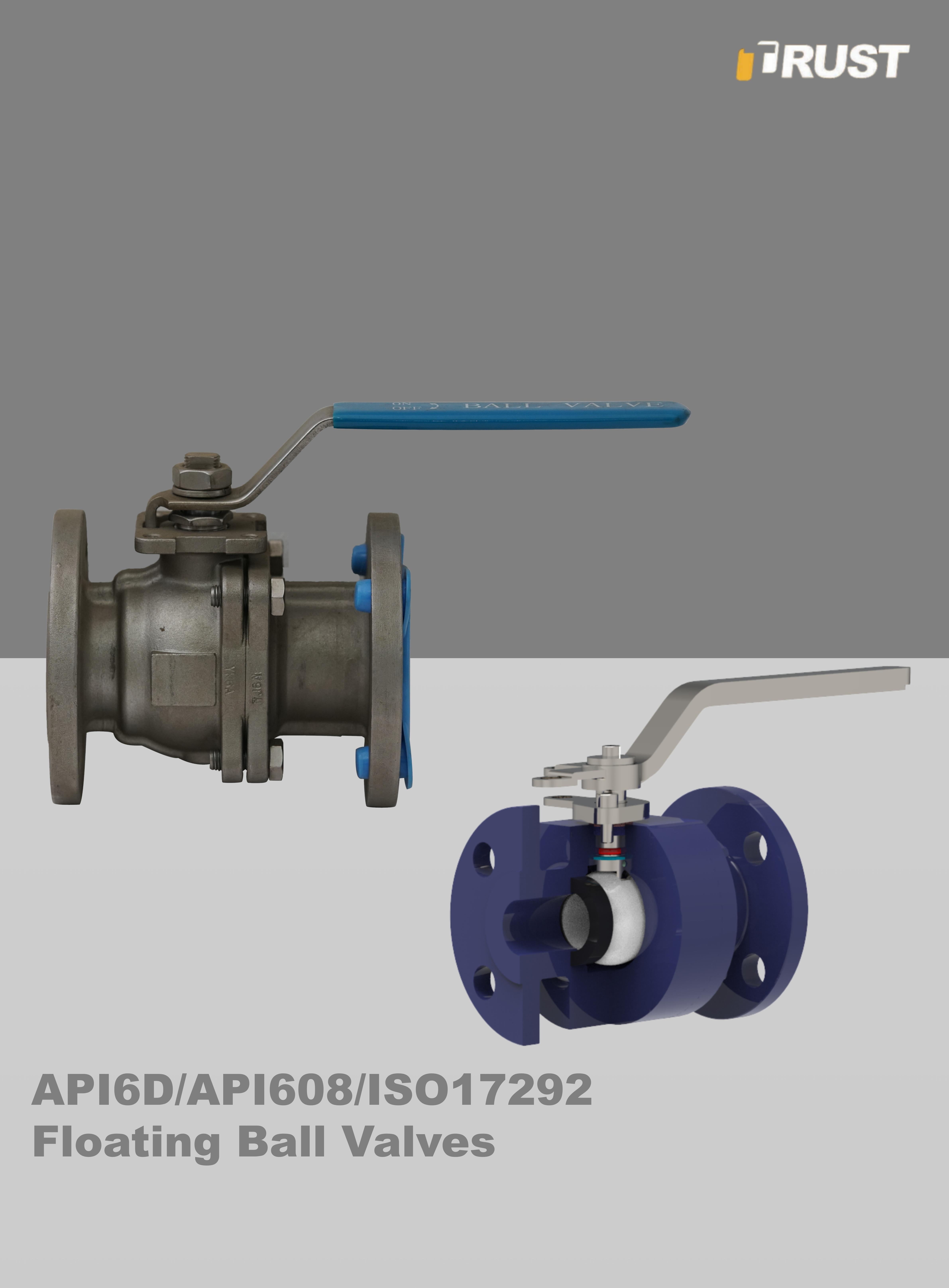 Soft-Seated Floating Ball Valves for Shutoff and ControlFire-safe soft-seated floating ball valves offer bubble-tight shutoff, side- or top-entry designs and multiple seat materials for chemical, oil, gas and water duties.View Product →
Actuator sizing deserves the same attention. After a fire, packing and seat friction rise sharply, so breakout torque should be checked against an elevated figure rather than the catalog value at ambient temperature.
Material and Temperature Choices That Hold Up
The body is the easy part. CF8M (316 stainless) covers most process and utility duties; CF3M (316L) is chosen where welded fabrication or lower carbon content is specified; duplex 2205 appears where chlorides and stress corrosion cracking are the real threat. The decision that determines service life is the seat and packing combination.
Virgin PTFE is comfortable to roughly 230 °C, and filled grades buy a little more headroom. PEEK and modified polymers extend further, and above that metal-seated designs take over. A frequent misunderstanding: a fire-safe rating does not raise the normal working temperature of a PTFE seat. The valve may survive a thirty-minute burn at 750 °C or more, yet it remains a 230 °C valve every ordinary day of the week.
Stainless ball valves in oil and gas service usually pair fire-safe seats with anti-static devices, graphite packing and a documented pressure test. Chemical and petrochemical duty pushes the choice toward corrosion-resistant trim and tighter fugitive-emission control, where the stem sealing arrangement does most of the work.
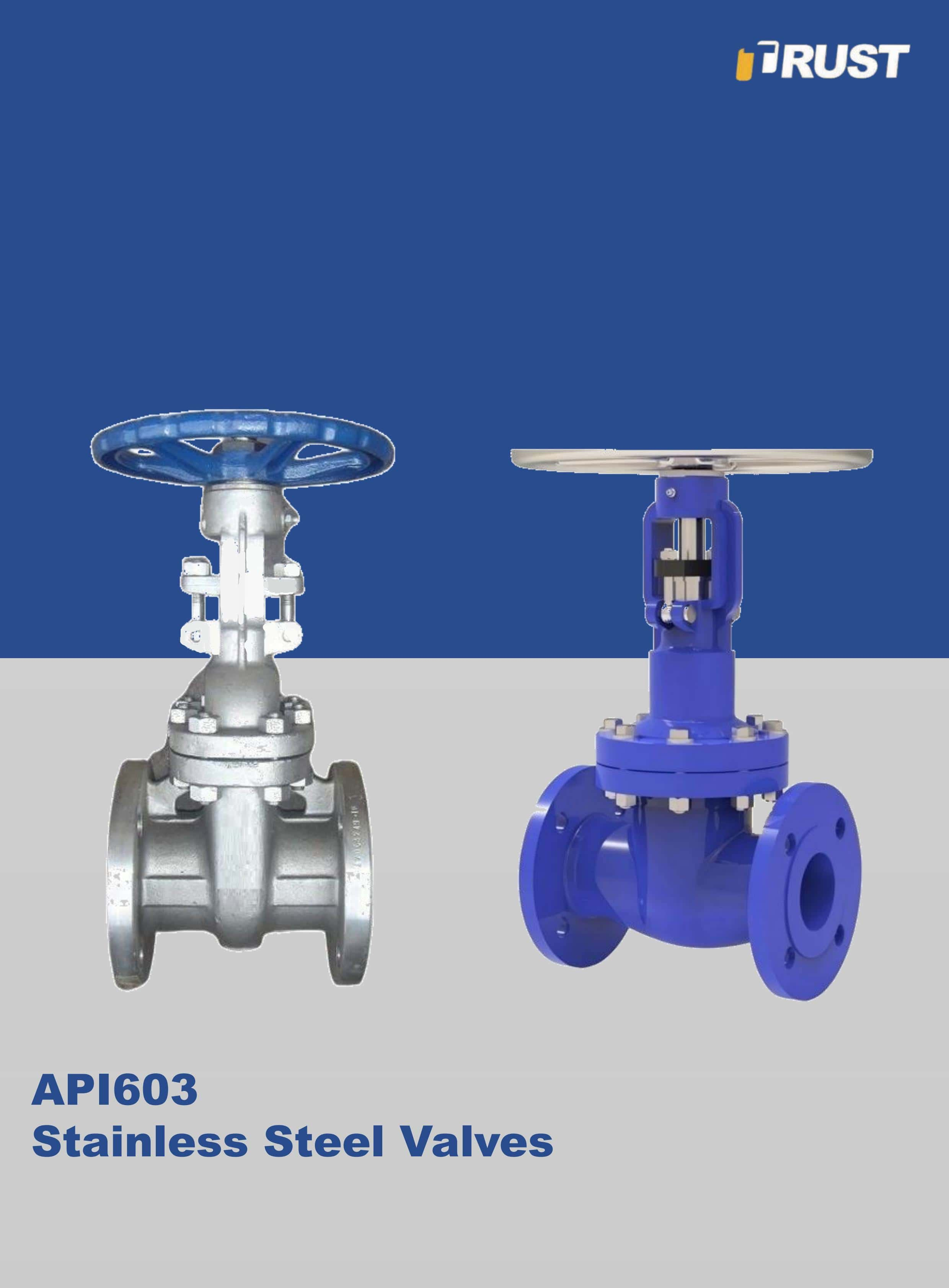 Stainless-Steel API 603 Gate, Globe and Check ValvesCorrosion-resistant 316/304 gate, globe and check valves offer API 607 fire-safe design and bubble-tight shutoff for chemical and petrochemical duties.View Product →
An RFQ Checklist for 4-Inch Fire-Safe Ball Valves
The fastest way to avoid a mismatch is to write the requirement into the inquiry instead of accepting a general catalog statement.
- Standard and edition: API 607, API 6FA or ISO 10497, with the edition year stated.
- Size, class and ends: DN100 / 4 inch, Class 150, 300 or 600, flange drilling and face-to-face dimension.
- Body and trim: CF8M or CF3M, ball and stem material, anti-blowout stem and anti-static features.
- Seat design: named soft seat material plus a described secondary metal seat, not just the words "fire safe".
- Packing and gasket: graphite or an approved equivalent, with the temperature rating stated.
- Certification: EN 10204 3.1 or 3.2, and whether third-party witnessing is required.
- Documentation: test report, drawings, installation and maintenance manual, marking details.
- Traceability: a certificate referencing the serial number, not only the product family.
Ask for the fire test report rather than a certificate of conformity alone. The report shows burn temperature, duration, test pressure and measured leakage, which is the evidence you actually need if a question arises later.
Where Procurement Quietly Goes Wrong
Three failure patterns repeat on stainless ball valve orders. The first is certificate mismatch, where the tested unit and the shipped unit differ in seat material or packing. The second is a low-pressure proof only: a hydrostatic shell test at ambient temperature with no fire qualification behind it. The third is trim substitution — a fire-safe tag on a valve whose secondary seat was quietly omitted to hit a price.
The fix is unglamorous. Compare the certificate's size, class, body material, seat material and serial number against the packing list before the valve leaves the warehouse.
A fire-safe valve that has been re-trimmed with unqualified seats is no longer the valve that was tested. Any substitution after qualification requires re-testing, not a new nameplate.
Severe Service and Metal Seating
Abrasive slurries, catalyst lines and high-temperature service move the choice toward metal-seated ball valves, where sealing comes from lapped metal contact rather than polymer. These designs are inherently more fire-tolerant, but they bring their own requirements: higher actuation torque, tighter control of surface finish, and careful allowance for thermal expansion of ball and seat.
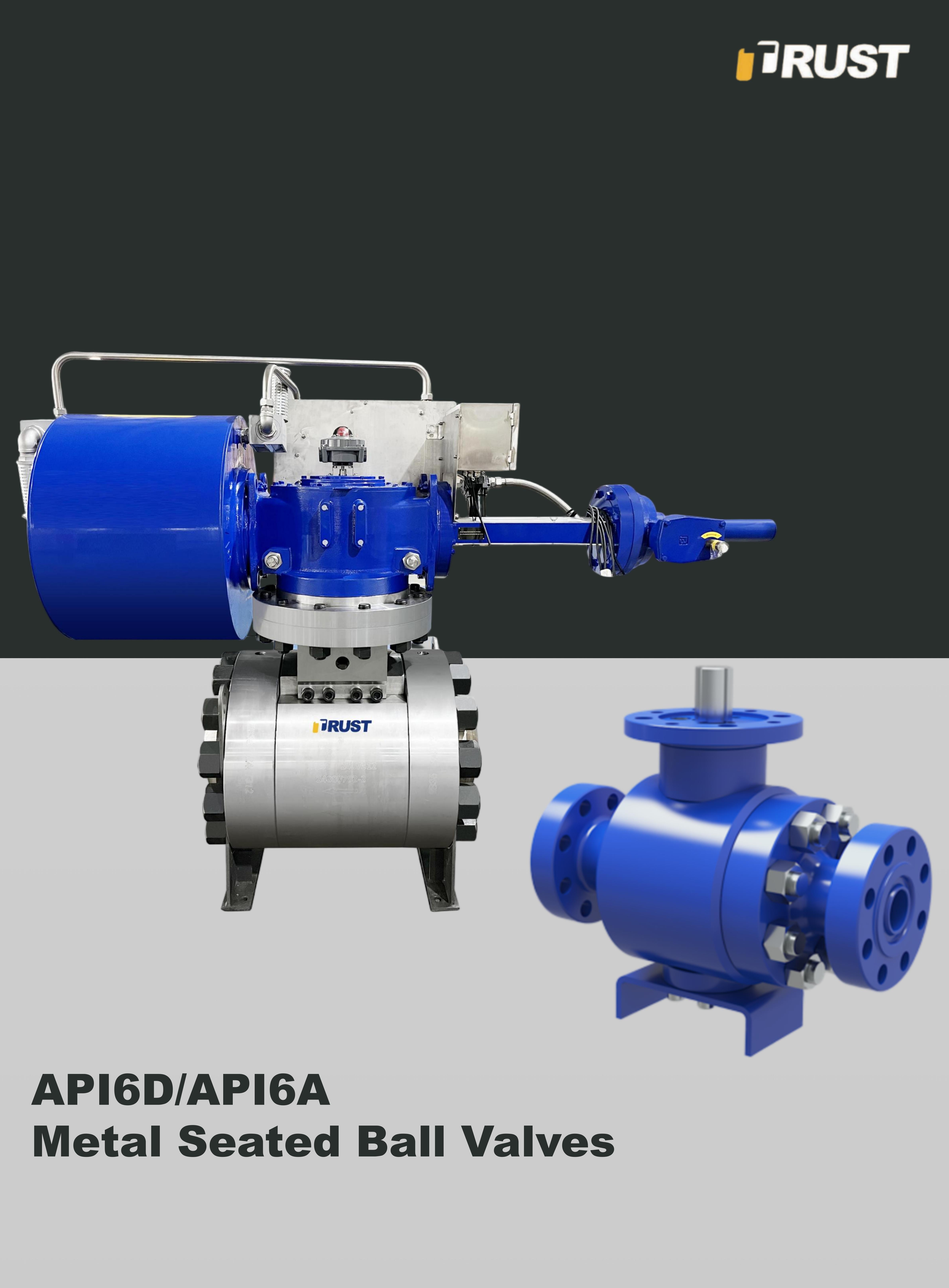 Metal-Seated Ball Valves for Severe Service and High TemperaturesMetal-to-metal sealing supports high-temperature, high-pressure and sour service, with floating, trunnion and top-entry designs for oil, gas, power and chemical duties.View Product →
Installation and Post-Fire Expectations
- Support the valve and pipe independently; a 4-inch valve plus actuator is a cantilever load on a small line.
- Do not weld near an installed valve with the seat in place — heat travels along the pipe into the sealing components.
- Fit thermal relief or a fusible-link actuator arrangement wherever trapped liquid can expand.
- Cycle the valve on a planned schedule; a ball valve that never moves may not move when it must.
- Record tag number, certificate number and trim details at commissioning.
Filing the fire test report against the tag number takes a minute at commissioning and saves days of investigation years later.
Cost, Lead Time and the Honest Trade-off
Fire-safe construction adds cost in specific places: the secondary metal seat, graphite packing, anti-static hardware, qualification testing and documentation. On a 4-inch stainless valve the premium is usually modest against total installed cost, and it sits opposite a much larger risk — replacing a substituted unit mid-project or during a turnaround.
Lead time is frequently driven by paperwork rather than machining. Witnessed testing and third-party inspection add days or weeks depending on the inspector's schedule, so raise the requirement at inquiry stage rather than at shipping.
The Short Version
A 4-inch stainless steel ball valve is fire safe when the tested assembly, the shipped valve and the paperwork describe the same object. Specify the standard and edition, name the seat and packing materials, insist on traceable certification, and match the design to the pressure class and temperature you actually operate at. That combination costs very little and removes nearly all of the uncertainty that surrounds this size class.


 No.100 Xiejin Avenue, Funing County Economic Development Zone, Yancheng City, Jiangsu Province
 +86-515-87398111
 office@trustvalve.com
