 English
 русский
 Français
 中文简体
中文简体 Português
 Español
 italiano
 عربى
عربى فارسی
فارسی

Valve Engineering · Service-Life Report
A stainless steel ball valve can last twenty years. Most never get the chance.
Service life is decided before installation — by media, seat material, pressure margin, and operational discipline. This is how to read the signals, set expectations, and choose valves that age well.
Two stainless steel ball valves leave the same factory on the same pallet. One goes into a clean-water loop, cycles once a week, and still seals tightly after eighteen years. The other runs on a process line carrying abrasive slurry; its PTFE seat starts to weep after fourteen months. Same body, same pressure class — completely different lifetimes.
The difference is not luck. It is the operating envelope each valve was asked to live in. The lifespan of a stainless steel ball valve is an outcome, not a nameplate number: media, seat and body materials, operating margin, cycling, and maintenance all set it before the valve ships.
Most ball valves are not retired by age. They are retired by the gap between what the datasheet promised and what the process demanded.
01 · Realistic Expectations
What the service-life numbers actually mean
Industry references usually put ball-valve life expectancy between eight and twenty years, with an average of roughly eight to ten years in industrial service. The range is honest but nearly useless without context: a stainless steel ball valve with PTFE seats in clean water, cycled weekly, can run for decades, while the same valve throttling abrasive media daily can fail in under a year. The average only says that most valves land between those extremes.
The table below gives a more useful picture — realistic lifespans by service class. Treat it as a planning tool, not a guarantee.
| Service class | Typical media | Expected life | Dominant wear mode |
|---|---|---|---|
| Clean water / HVAC duty | Treated water, glycol loops | 15–25+ years | Seat and seal aging |
| General chemical duty | Dilute acids, caustic, solvents | 8–15 years | Corrosion, packing wear |
| Hydrocarbon / oil and gas | Crude, gas, condensate | 8–20 years | Seal degradation, erosion |
| Chloride-laden / sour service | Seawater, brine, H2S media | 3–10 years | Pitting, stress corrosion cracking |
| Abrasive slurry / repeated throttling | Slurries, catalyst fines | 1–5 years | Seat erosion, ball scoring |
Notice what is missing: the word stainless never appears as a lifetime. The grade sets the ceiling; service conditions decide how close the valve gets to it.
02 · The Decisive Variables
Five factors that decide how long a stainless steel ball valve lasts
Every premature failure can be traced to these five areas. Addressing them at specification time costs almost nothing and changes valve life before installation.
- Media chemistry and abrasiveness
- Seat and body material selection
- Pressure and temperature margin
- Cycling frequency and actuation mode
- Maintenance and inspection discipline
Media chemistry and abrasiveness
Media is the most powerful variable. A ball valve in clean water does easy work; the same valve in chloride-laden brine, sour gas, or slurry fights corrosion, cracking, and erosion on every cycle. In chemical and petrochemical process duty, where the medium can change composition by the hour, the seat and trim decision matters more than the brand on the body.
Where the media is clean and non-aggressive, a soft-seated floating ball valve with a PTFE seat is the sensible, long-lived choice: it seals with lower torque, costs less to maintain, and routinely delivers a decade or more of service.
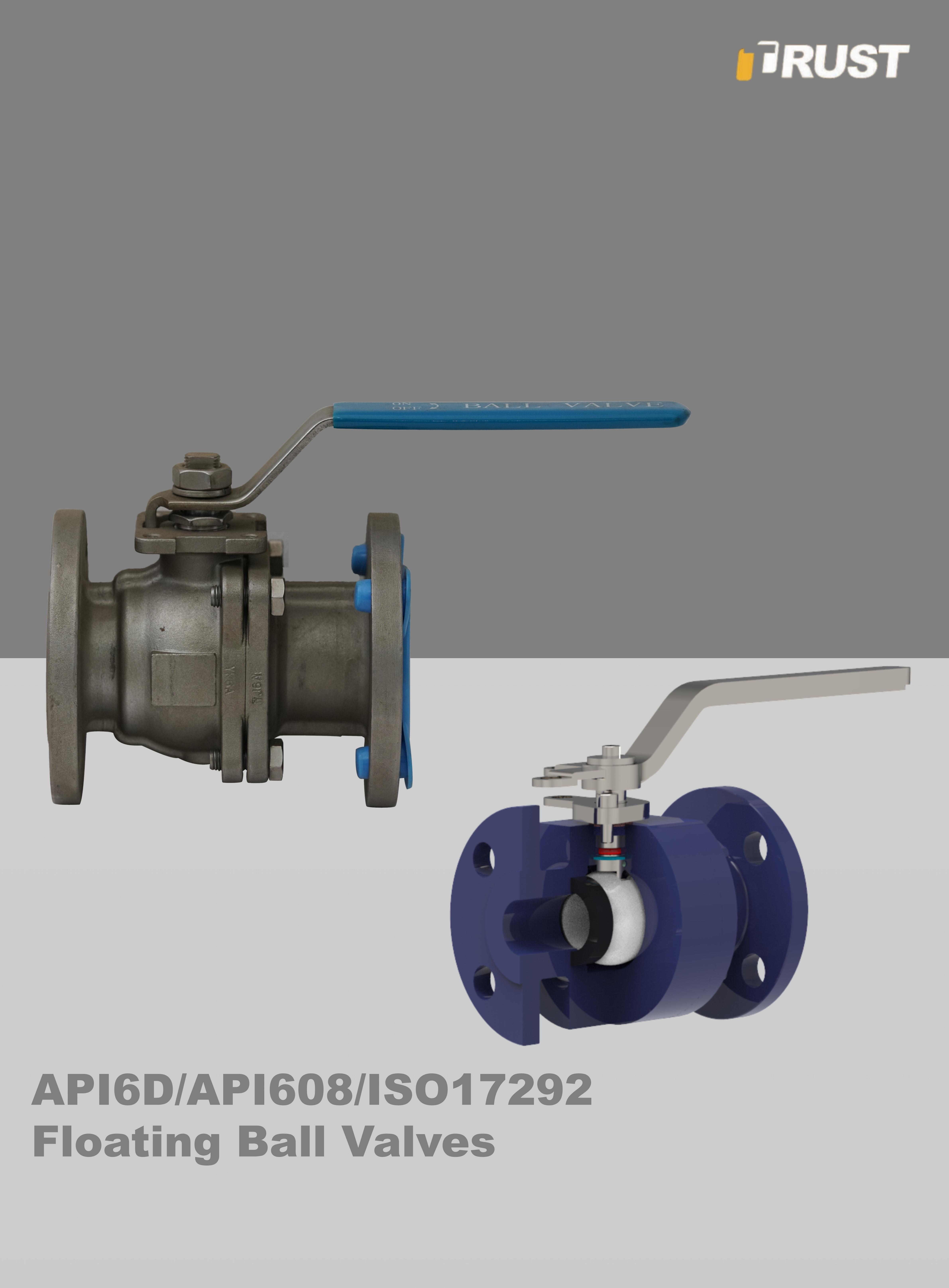 Soft-Seated Floating Ball Valve for Clean MediaThis valve suits clean, non-aggressive fluids, offering bubble-tight sealing with low torque and long service life. Its PTFE seat performs well in moderate conditions, making it a cost-effective choice before considering metal-seated alternatives.View Product →
Seat and body material selection
PTFE seats seal beautifully at low torque, but they soften near 200°C and erode quickly in abrasive flow. For high temperature, solids, or media that attack fluoropolymers, a metal-seated design will outlast a soft-seated valve by a wide margin. Body grade matters too: CF8M (316) castings resist chlorides far better than CF8 (304), and the price difference is small next to a mid-process failure.
Pressure and temperature margin
A valve that lives close to its pressure or temperature rating ages quickly, even when excursions are brief. Seals soften, the ball expands, and seats take a permanent set. Keeping at least 20% margin below the rated maximum is the cheapest life-extension decision a plant can make.
Cycling frequency and actuation mode
Every cycle wears the seat, the packing, and the ball surface. A valve cycled a few times a day will outlive one that strokes several times an hour, and high-cycle systems deserve actuation with position feedback and a torque trend record — not a manual operator and a prayer.
Warning
Throttling is the fastest way to destroy a standard soft-seated ball valve. If the duty is flow control rather than isolation, specify a characterized ball valve designed for control. Letting a standard valve sit partially open turns its seat into an erosion target.
 C-Ball Characterized Ball Valve for ThrottlingDesigned for flow control, the C-shaped ball reduces seat erosion in partially open positions. Its cavity-free geometry prevents media accumulation, ideal for slurries or viscous fluids that would damage standard soft-seated valves.View Product →
Maintenance and inspection discipline
Stainless steel does not remove the need for maintenance — it removes the urgency of some of it. A valve that is exercised regularly, kept free of scale, and checked for rising torque, packing weepage, and external corrosion will outlast an identical valve that is ignored until failure. Rising torque is usually the first signal.
03 · Field Assessment
How to estimate the remaining life of a valve already in service
For a valve already installed, you cannot measure lifespan directly — but you can measure the signals that precede failure. This short routine beats any datasheet.
- Measure operating torque. A rising trend of about 20% over baseline means seat, packing, or stem friction is accelerating.
- Perform a shutoff test: close the valve and compare seat leakage with the original specification.
- Inspect the stem seal and body joints for weepage. Stainless bodies resist corrosion; seals and gaskets do not.
- Review the cycle history: how many cycles in the past year, and how many were throttling events.
- Check the media log for excursions: temperature spikes, chloride ingress, or solids the valve was never rated to handle.
Good practice
Keep the numbers simple. A valve with no torque trend, a tight shutoff, and a clean media record can usually stay in service. Put it on a routine inspection schedule — and do not replace it on a calendar date alone.
04 · Specification
Buying for a long life: what to specify
The longest-lived stainless steel ball valve is usually the one that was slightly over-specified. Choose CF8M (316) bodies for chemical or marine exposure, confirm that the ball and stem match the body grade, and match the seat material to the temperature and solids of the media. These decisions cost little at purchase and define the whole service life.
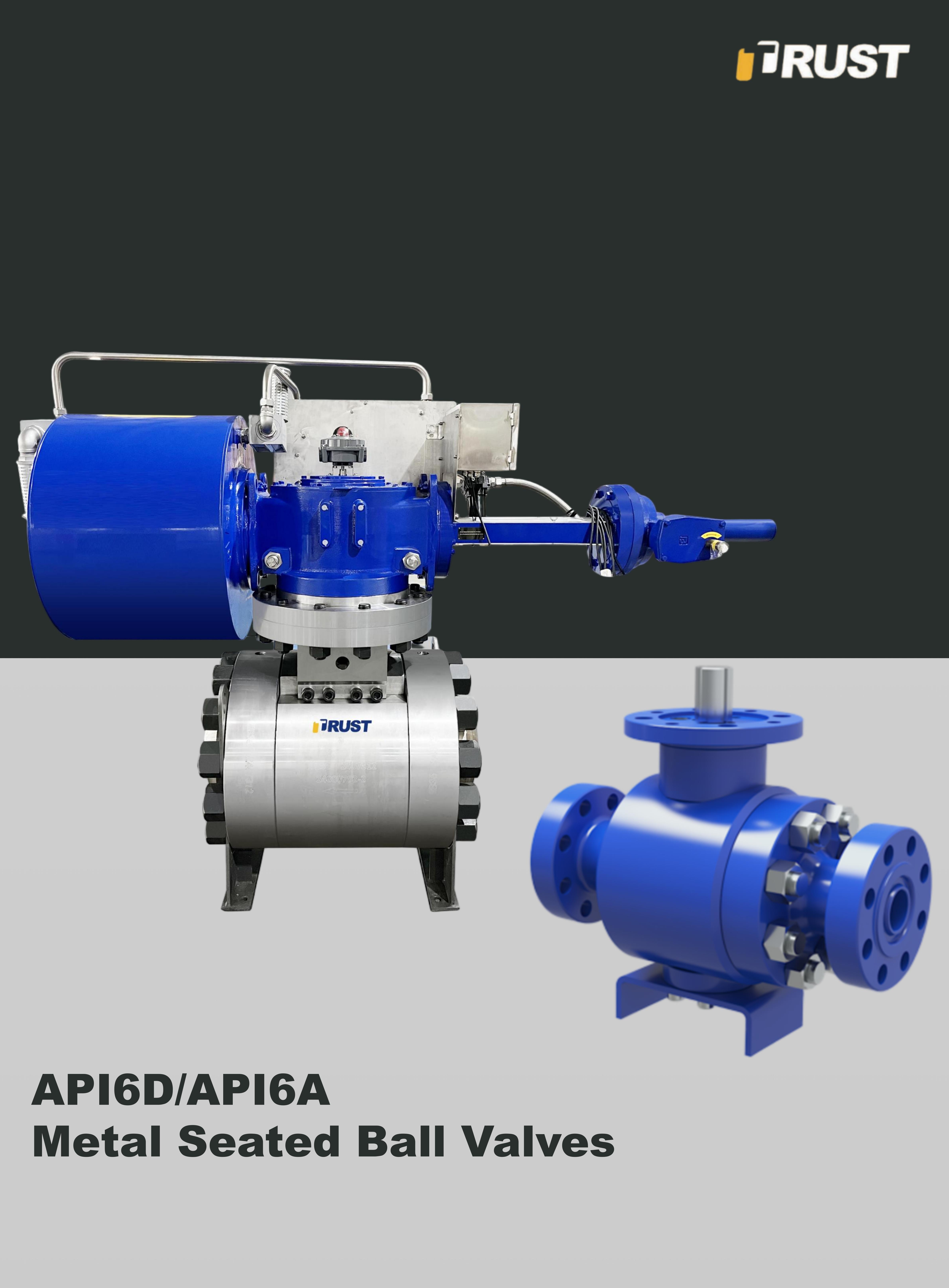
For clean, moderate service, a soft-seated floating ball valve is often the most cost-effective decade-plus choice. For high temperatures, abrasive solids, or aggressive chemicals, a metal-seated ball valve designed for severe service will typically outlast a soft-seated valve several times over — even though its first cost is higher.
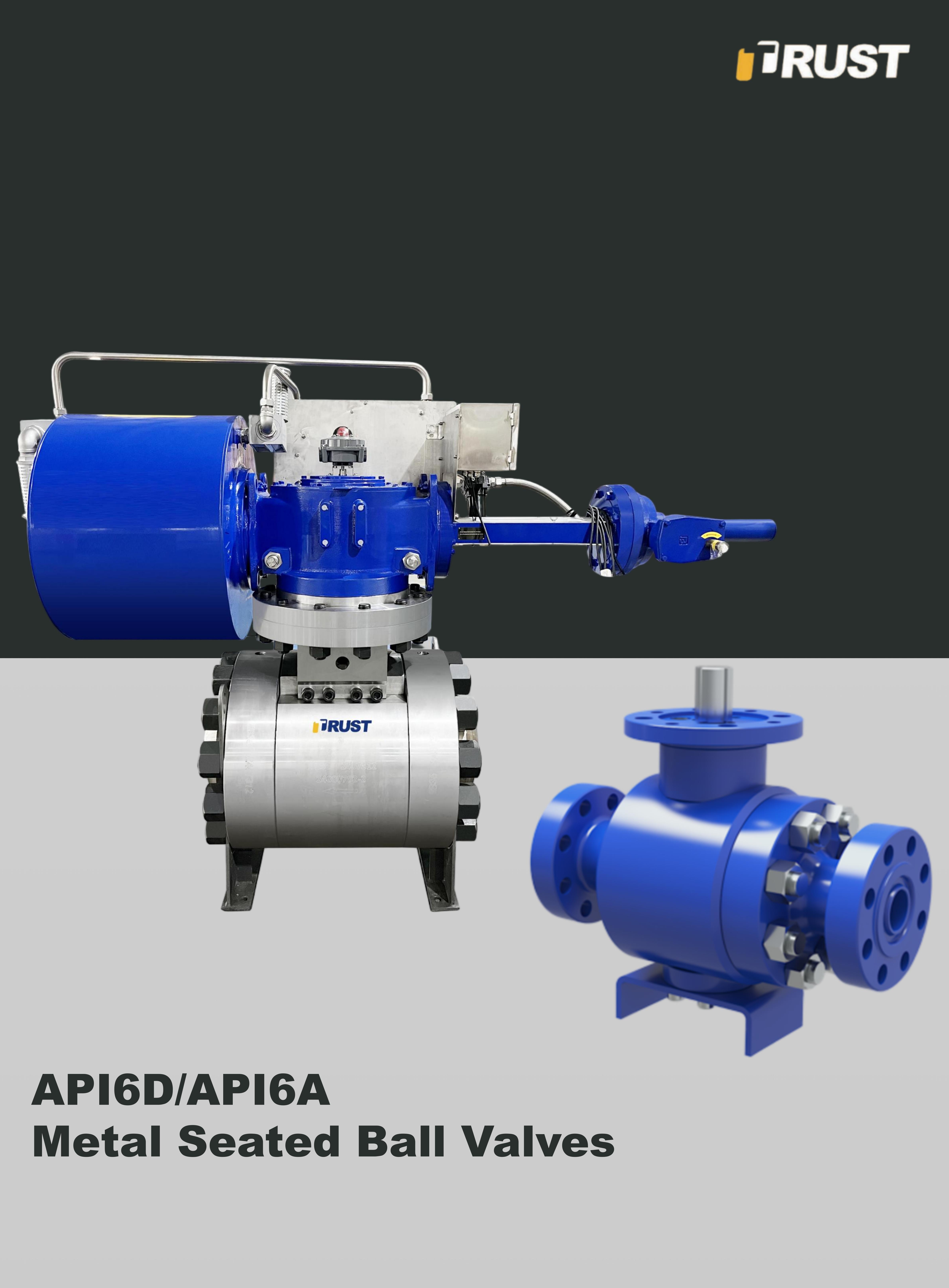 Metal Seated Ball Valve for Severe ServiceBuilt for high temperatures, abrasive solids, and aggressive chemicals, this valve uses metal-to-metal sealing and materials like Inconel or Hastelloy. It outlasts soft-seated designs in demanding environments, despite higher initial cost.View Product →
The trade-offs between cost, material grade, seat design, and expected duty are laid out in our practical selection guidance for stainless steel ball valves, including the cases where a premium material is wasted money. The same thinking should guide your purchasing review: a valve that is awkward to service will not be serviced.
Caution
Do not specify 304-grade valves for chloride or marine environments. Chloride stress corrosion cracking can appear within months at temperatures above roughly 60°C — and it is nearly invisible until the body or stem cracks through.
05 · The Bottom Line
The bottom line
A stainless steel ball valve is capable of extraordinary service life, but capability is not a guarantee. In clean, well-maintained service, twenty years is realistic; in punishing duty, failure can arrive in months. The difference is mostly in your control: choose materials for the media, respect pressure and temperature margins, keep isolation valves away from throttling duty, and give every valve an inspection routine that catches wear before it becomes a leak.
The lifespan of a stainless steel ball valve is not discovered after it fails. It is decided in the specification — long before installation.


 No.100 Xiejin Avenue, Funing County Economic Development Zone, Yancheng City, Jiangsu Province
  +86-515-87398111
  office@trustvalve.com